Bridging the Gap Between Stage and Screen: Why Do We Make ‘Pro-Shots’?
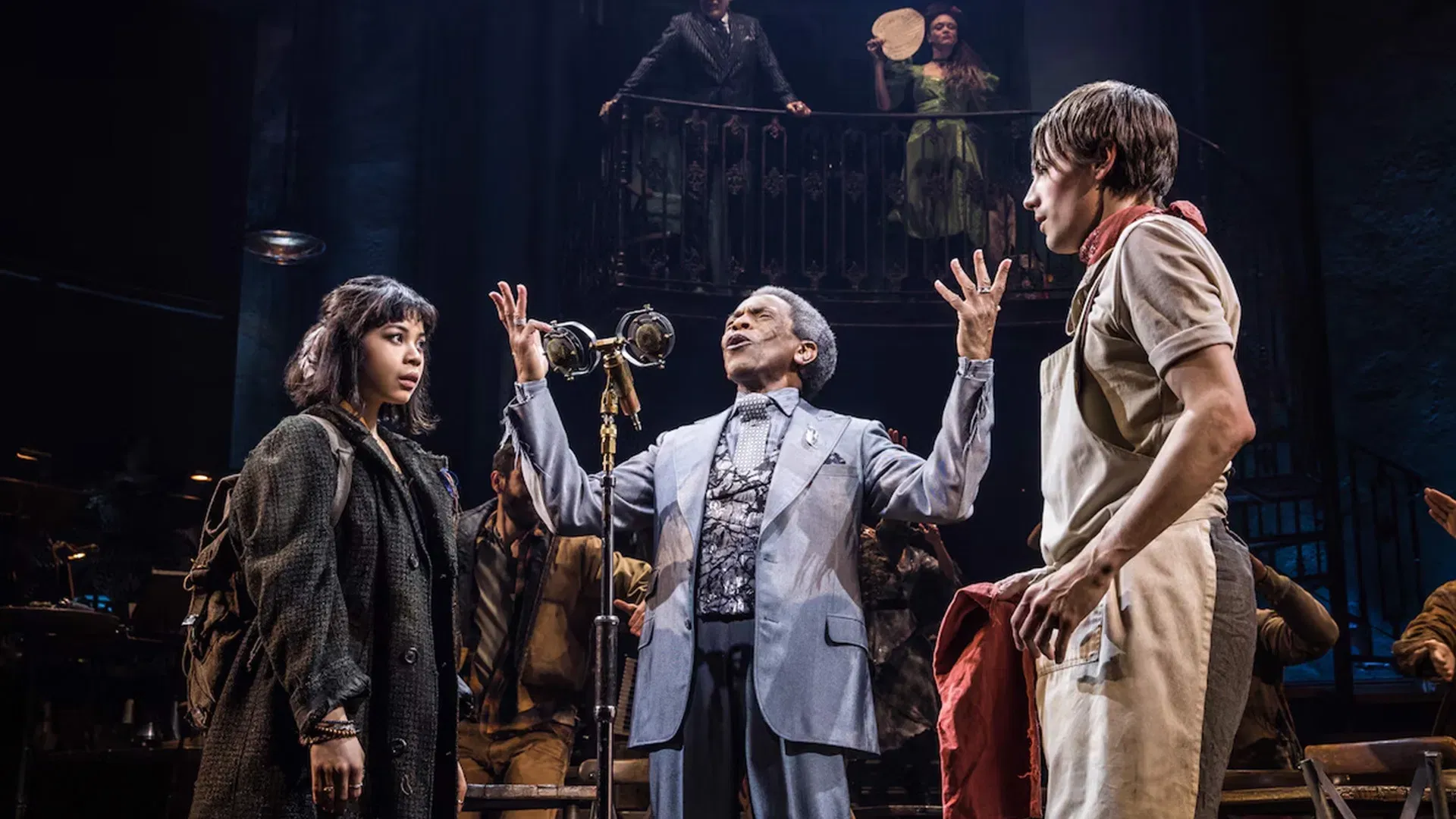
On 24th July, the musical Hadestown is hitting the big screen. Ahead of its limited cinematic release, the original Broadway cast reunited on the West End to film their performances live. The result – Hadestown: The Musical – falls somewhere between theatre and film adaptation. Unlike the live action Grease (1978), or Julie Andrews’ The Sound of Music (1965), the ‘pro-shot’ is a professionally filmed live performance, deeply concerned with the artifice of theatre. Pro-shots capture the show as it is being performed – its cast, script, costumes, lighting and even technical elements like blackouts and scene changes are all preserved onscreen.
Hadestown: The Musical (2026) yields to the growing expectation that most large commercial shows should produce a professional filmed performance. Speaking at the Tribeca Festival last month, the film’s director Brett Sullivan (whose work includes pro-shots of other acclaimed musicals including Miss Saigon, Newsies and Waitress) argued that pro-shots ‘honour what is done, what is already staged, but also take advantage of what film can offer by getting close’. To Sullivan, filming theatre enhances the show’s intimacy, while maintaining most of what theatre producer Jennifer Ashley Tepper refers to as ‘the theatrical aesthetic’.
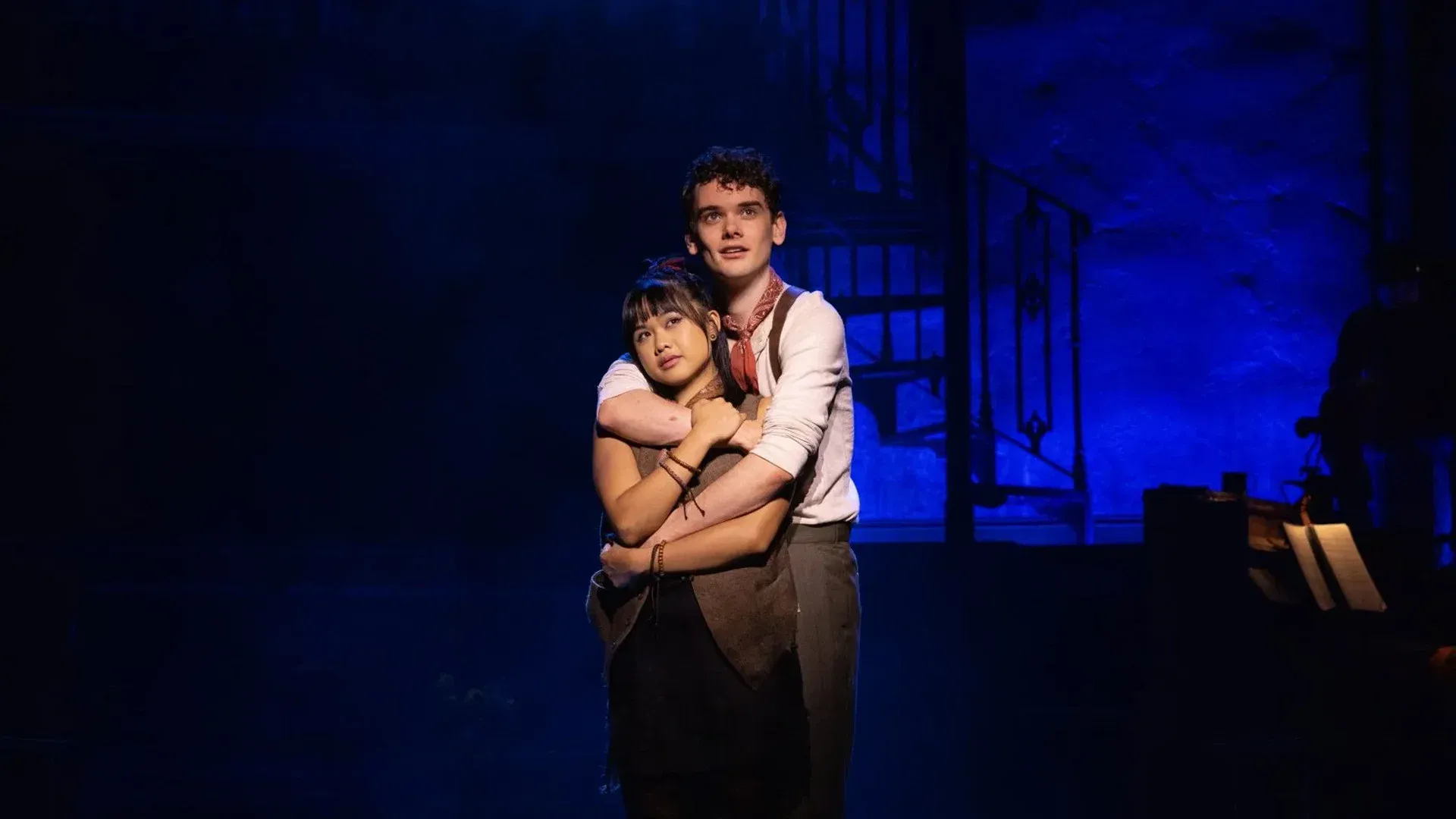 Critics argue that pro-shots threaten the transient nature of theatre, forcing the art form to become less fluid by committing one performance to screen. While the thrill of live theatre lies in its ephemerality, pro-shots often seem designed to fulfil a nostalgia for a theatrical moment that has ended. It is no coincidence that many pro-shots reunite their show’s original, or most iconic, casts. Hadestown’s filmed performance features Eva Noblezada (as Eurydice), Reeve Carney (as Orpheus), André De Shields (as Hermes), Patrick Page (as Hades), and Amber Gray (as Persephone). This original cast’s contributions to the history of Hadestown are now recorded forever. However, the opportunity to revisit these performances does not limit or prevent the reinterpretation of the show by new talent. Jack Wolfe and Dónal Finn’s recent performances as Hadestown’s leading character Orpheus have captured audience’s hearts, and ticket sales for the live show remain undaunted by the upcoming cinematic release. By reaching new audiences, the pro-shot compliments the stage show, rather than competing with it.
However, filming theatre does transform something much more foundational to the theatrical experience. In Emile Durkheim’s 1912 book The Elementary Forms of the Religious Life (‘Les formes élémentaires de la vie religieuse’), he argues that our emotional reactions are heightened when we perform an act as a collective, because humans are easily influenced by their peers. As a theatrical audience, we laugh together, we pause together, and when the hero fails, our stomachs sink in tandem. In the simplest words, whether in a venue of fifteen, or a theatre which seats over a thousand, we watch theatre together. And that changes how we watch.
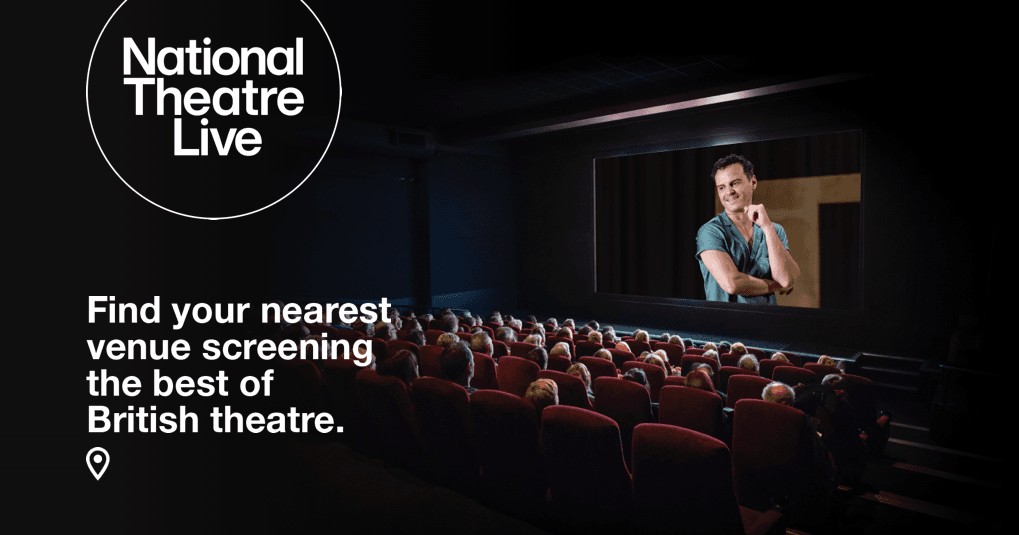 National Theatre Live broadcasts live and filmed performances to cinemas, pubs, village halls and art centres around the world. According to their website, their pro-shots have reached more than 13 million people worldwide. As an initiative, National Theatre Live has become hugely successful by recognising the need to maintain the communal emotional experience of theatre. On a smaller scale, this becomes easy to replicate. Host a watch party. Share your thoughts on Recce. In cinemas, in our homes, and even on our phones, pro-shots work best when we share them with others. By watching together, we bridge the gap between stage and screen, and gain something from both forms.
Amie Brian
Author