Charli xcx and FKA twigs: How Pop Stars are Taking Over Film
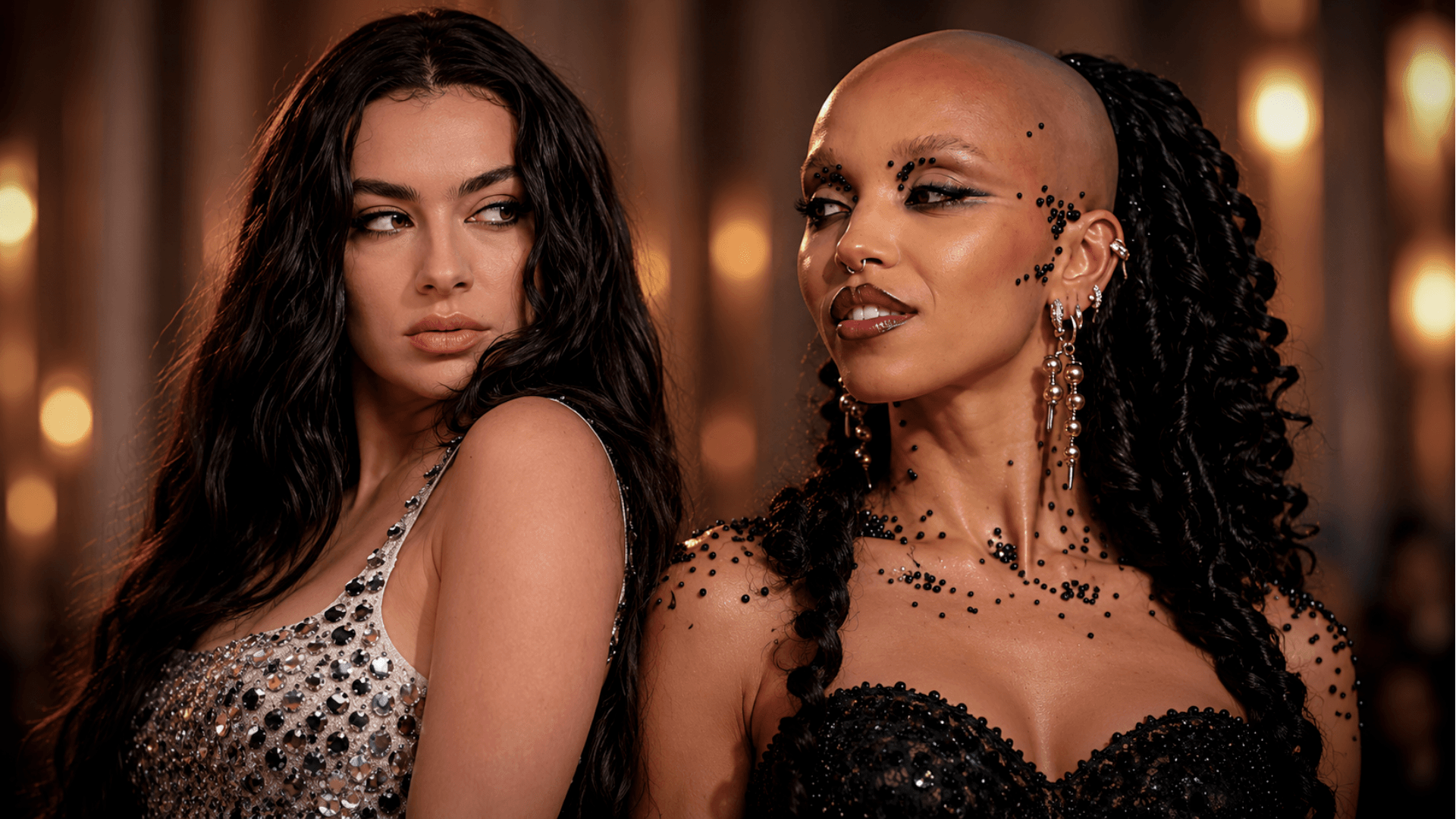
David Lowery’s supernatural drama Mother Mary (2026) is saturated with pop talent. Ahead of the film’s premiere last month, A24 released a full album of songs, written and produced by industry giants including Jack Antonoff, Charli xcx and FKA twigs, and performed by lead actress Anne Hathaway. Now, A24 is selling exclusive vinyl editions of the Mother Mary soundtrack, and even fictitious tour merchandise. This marketing campaign taps into a recent trend. Earlier this year, in the press junket for Emerald Fennell’s Wuthering Heights (2026), Charli xcx sat beside the film’s biggest stars, Margot Robbie and Jacob Elordi, to discuss the development of her album of the same name.
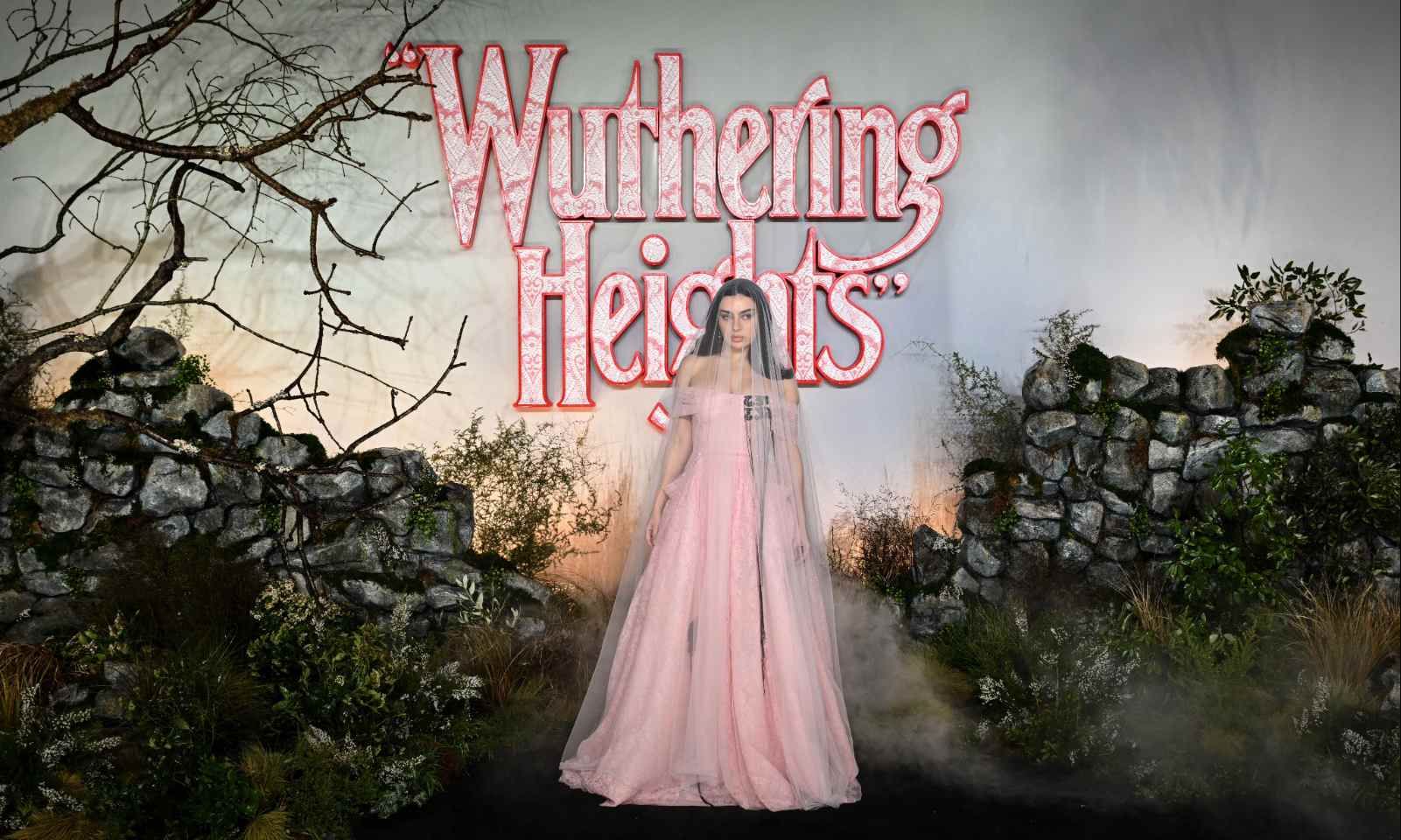 The passion that Charli xcx has shown for her recent work on both Mother Mary and Wuthering Heights shows a significant development in the artist’s creative practice. In 2020, the artist jokingly tweeted that she wrote a song for the 2014 film The Hunger Games: Mockingjay - Part 1 with only ‘a plot summary and a vibe’ (@charli_xcx). In contrast, the artist’s ‘elegant but brutal’ soundtrack on Wuthering Heights has become a huge part of the film’s marketing appeal. It's undeniable – Brat’s pop sensation is taking over Hollywood.
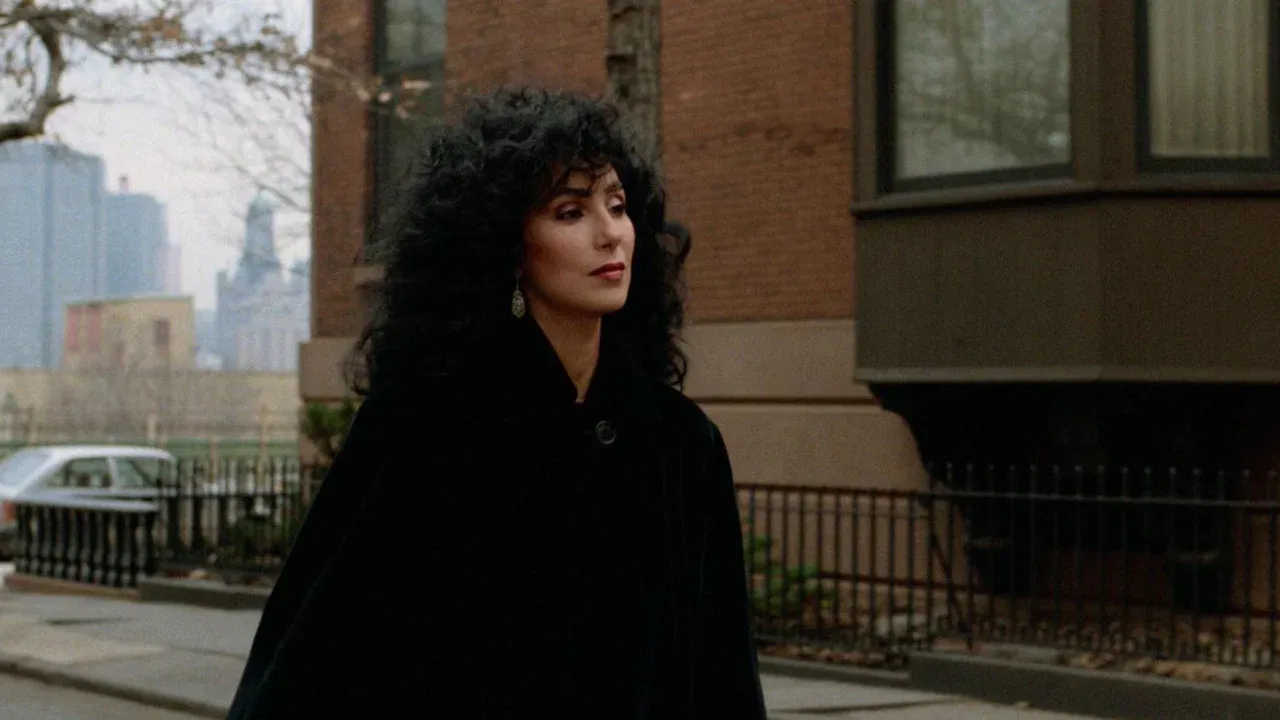 Pop stars in film are not a new phenomenon. Bowie had a starring acting career which included Jim Henson’s Labyrinth (1986), Cher stunned in a filmography including Moonstruck (1987) and Mamma Mia! Here We Go Again (2018), Harry Styles made his acting debut in Christopher Nolan’s critically acclaimed Dunkirk (2017) and Lady Gaga was nominated for several Academy Awards for A Star is Born (2018). In recent years, pop stars have pushed the boundaries of film through tour documentaries. Beyoncé, Taylor Swift and BTS are just a few artists who have released films streamed by millions.
In the making of Mother Mary, the influence of these documentaries is clear. The film’s opening montage reveals the film’s pop icon, the eponymous Mother Mary (played by Anne Hathaway), performing in concert. Cinematographers Rina Yang and Andrew Droz Palermo utilise wide shots in order to capture the edges of the real stadium where the sequence was shot, constantly reminding the audience of the artifice of Mary’s performance. When the shot suddenly cuts to Mary barefaced and crying, the message is clear: despite her religious iconography, the pop star is a human, not a god.
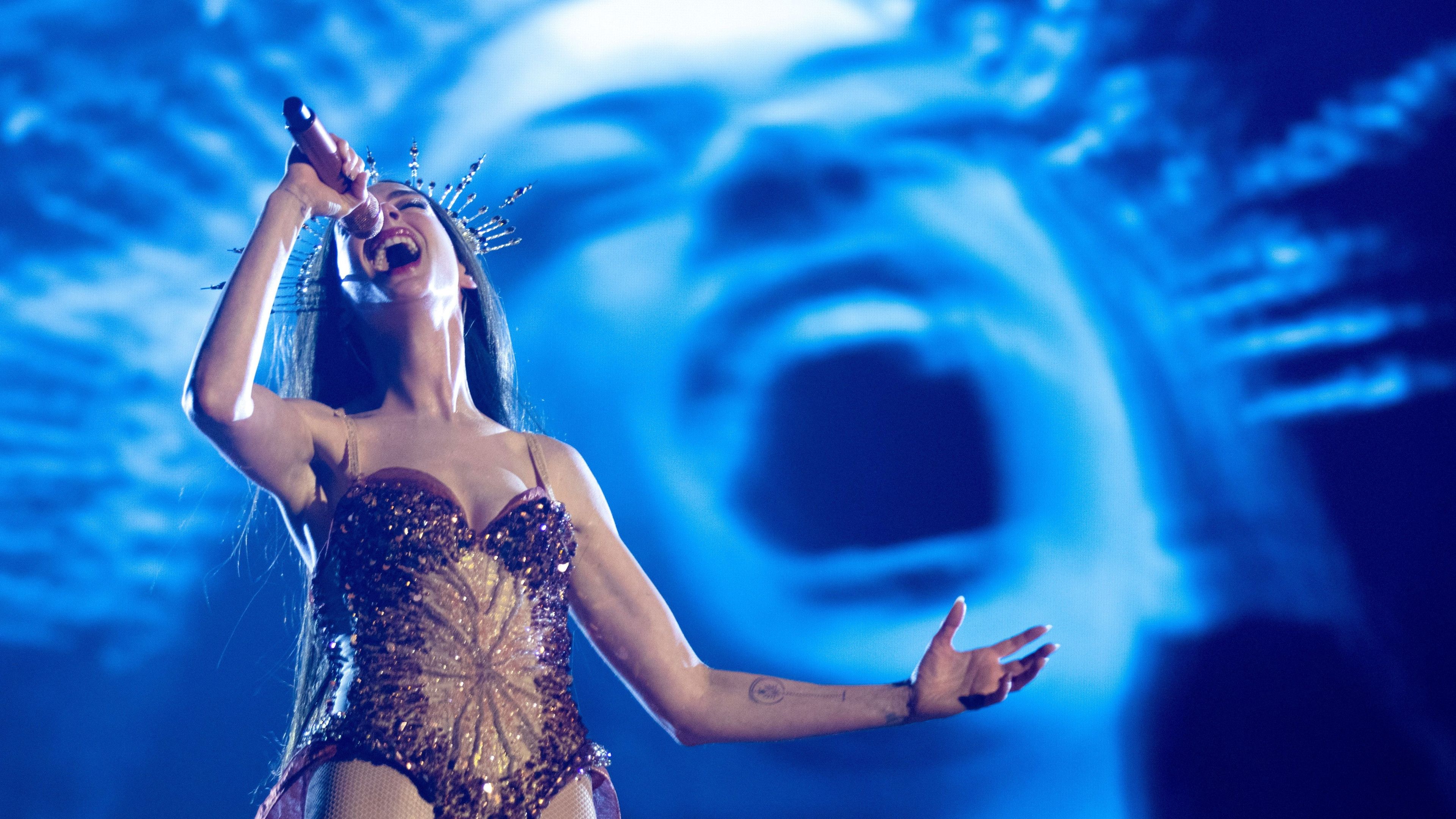 In its wider design, Mother Mary remains keenly aware of the interplay between art forms at work in the creation of a pop icon. The film’s premise revolves around the relationship between Mary and her jilted ex-designer Sam Anselm (played by Michaela Coel). Within this dynamic, the soundtrack plays a subtle role – despite the prominence of pop stars in the film’s development, Lowery’s integration of music is never heavy-handed. In fact, a large aspect of the story revolves around Sam’s refusal to listen to Mary’s work. When music eventually starts to spill out of maximalist concert sequences into the secluded barn where the majority of the film takes place, it is not sung by Mary or starring artist FKA twigs – rather, the soundtrack underplays Sam’s dialogue, and Michaela Coel’s rhythmic, deadpan delivery becomes the spoken-word lyrics. By encouraging his audience to associate the film’s music with an artist like Charli xcx, Lowery creates a soundscape which serves as a constant reminder of pop identity and, subsequently, plays it beneath Sam and Mary’s interactions. In this way, Mother Mary is not a film that features pop stars as a marketing technique. Instead, their contributions inform Lowery’s examination of stardom. Mother Mary wouldn’t exist without them.
Amie Brian
Author