Civil War: Uncomfortably Close to Home
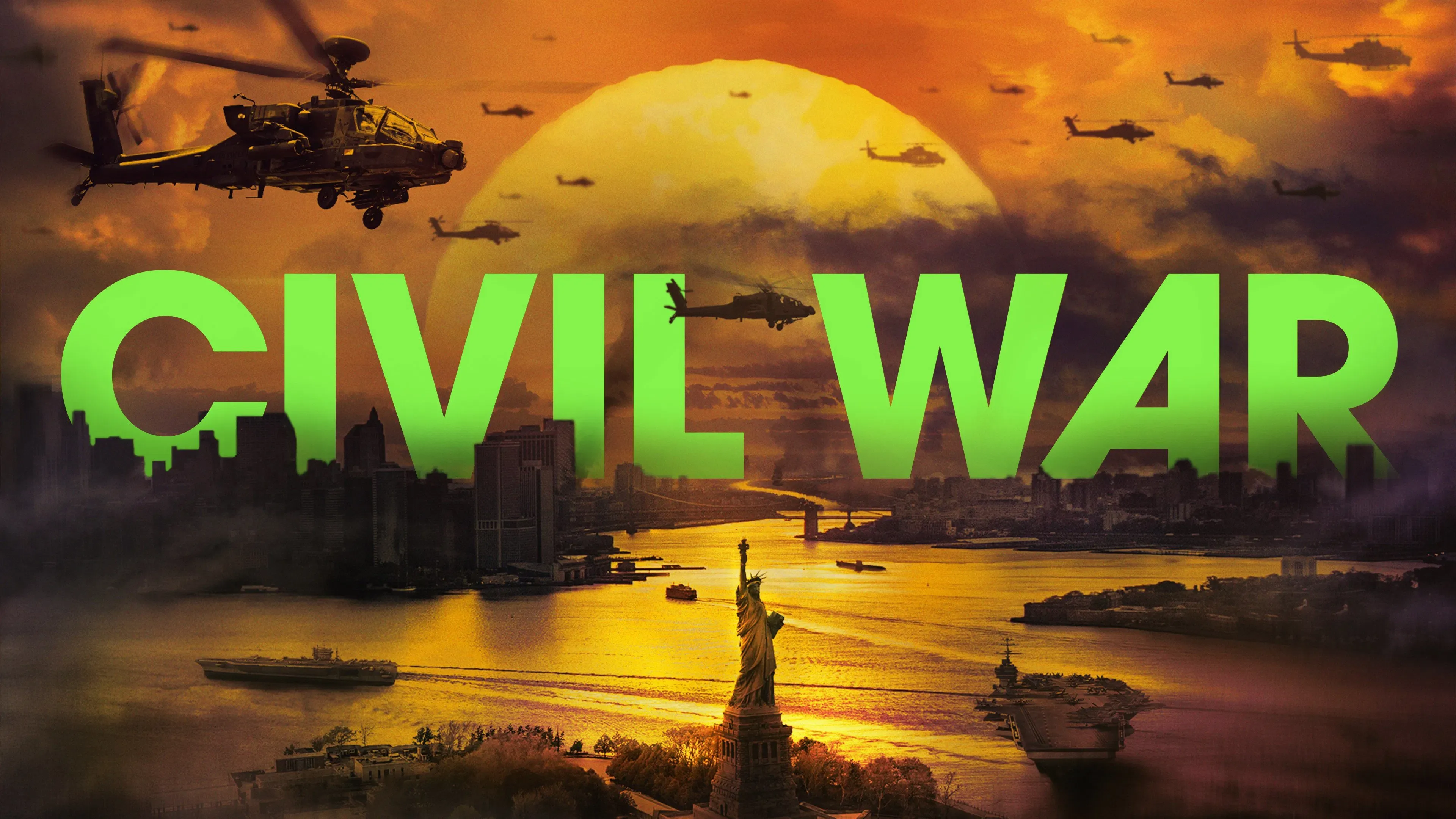
Alex Garland’s Civil War is a gut-wrenching thriller that follows a group of war photojournalists driving through a fractured, war-torn United States.
When it was released in 2024, it felt like fiction. Watching it in January 2026, Civil War feels far less like a cautionary tale and far more like an uncomfortable mirror of the current reality.
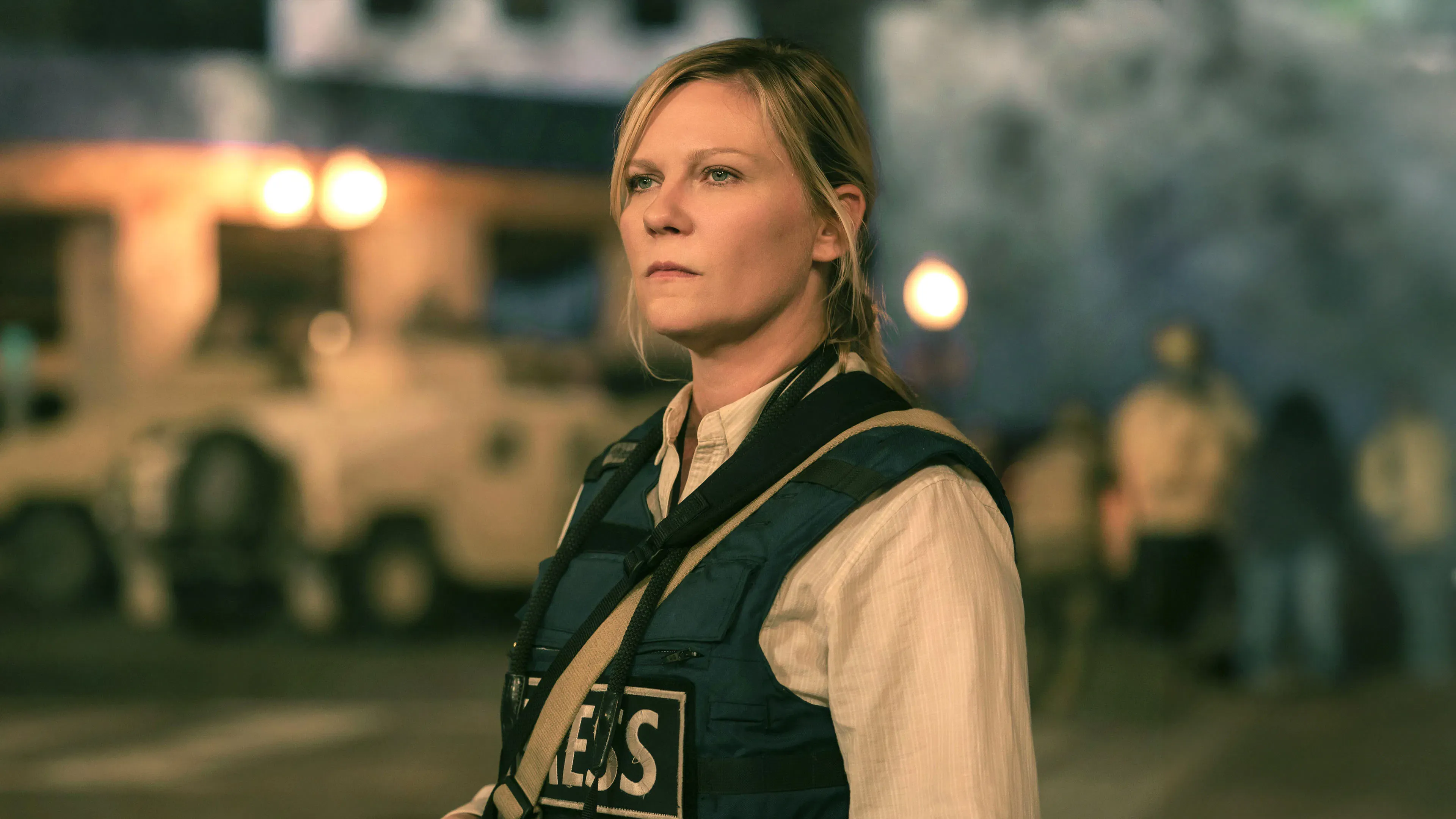 The team of journalists is led by Kirsten Dunst as veteran war photographer Lee Smith. The film chronicles a race against time as they travel through hostile territory toward Washington, D.C., with one clear goal: to interview the president before rebel forces breach the White House. This premise may have seemed far-fetched at the time of the film’s debut, but in the context of 2026, and the current geopolitical climate in America, it now hits disturbingly close to home.
Civil War’s central premise, Americans turning against one another in an all-out armed conflict, no longer feels abstract. Controversial federal operations, fatal civilian shootings, echoes the film’s world in unsettling ways.
What makes Civil War so disturbing in 2026 isn’t its action or shock value, but its restraint. Garland never explains how America reached this breaking point, forcing audiences to draw their own conclusions and recognise the warning signs for themselves.
The film’s most powerful achievement is its portrayal of how social unity erodes gradually and how a shared national identity can dissolve when citizens begin to see one another only as representatives of opposing political factions.
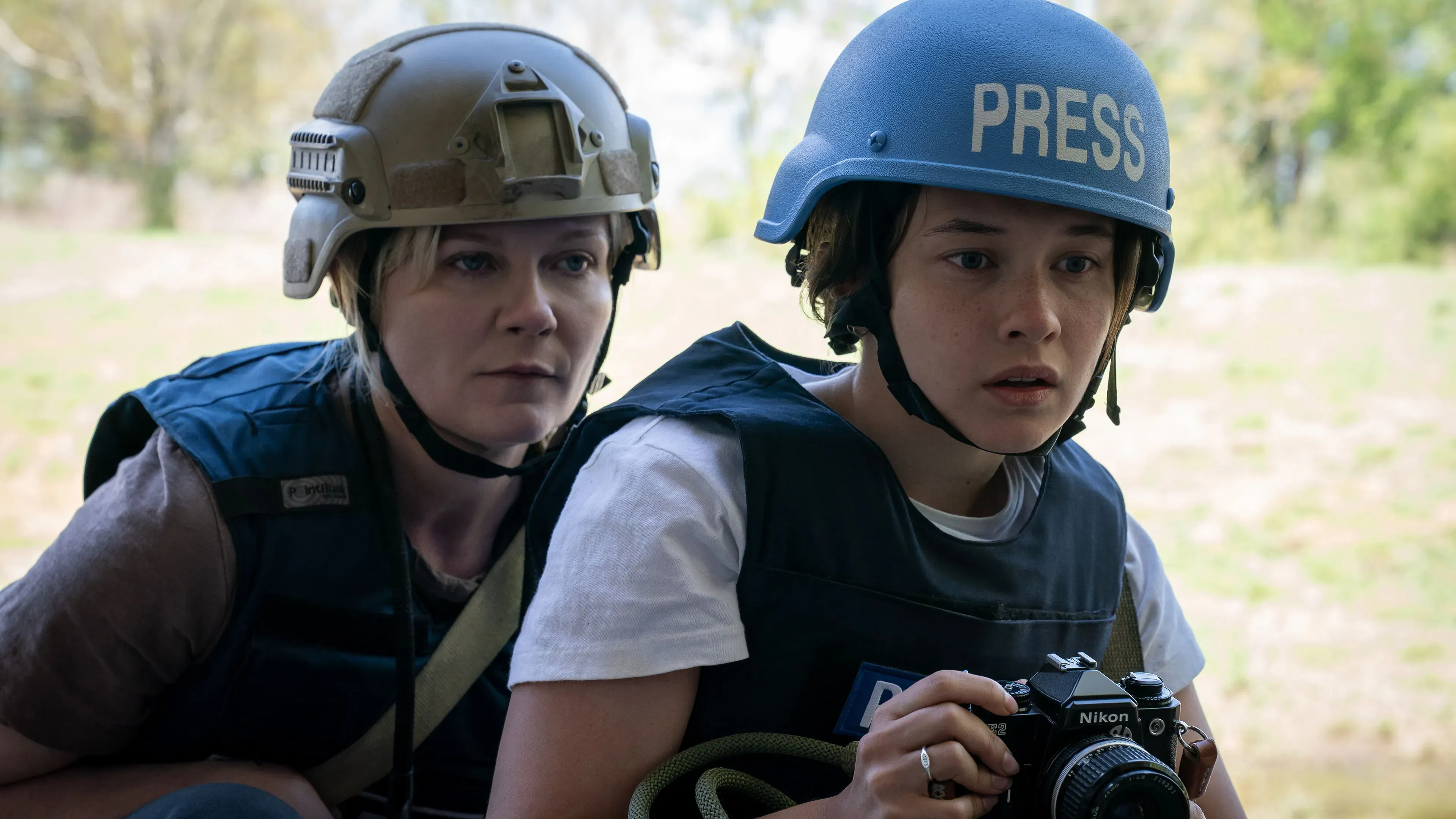 The film’s relevance is further heightened by its focus on journalism under extreme pressure. The protagonists risk everything to document events in environments where reporting itself can be a death sentence. That tension feels all too real today, as journalists face growing hostility when covering protests or volatile political moments, situations where a single spark can trigger chaos.
The film also explores the fragile idea of neutrality. Reporters strive to remain observers rather than participants, even when choosing a side, or being perceived as choosing one, the result being the difference between life and death.
Garland’s direction brings every element together with precision. Kirsten Dunst conveys trauma and exhaustion through a haunting thousand-yard stare, while Wagner Moura balances gallows humour with genuine fear. Cailee Spaeny, as the rookie photographer, offers a vital outsider’s perspective on the unfolding chaos.
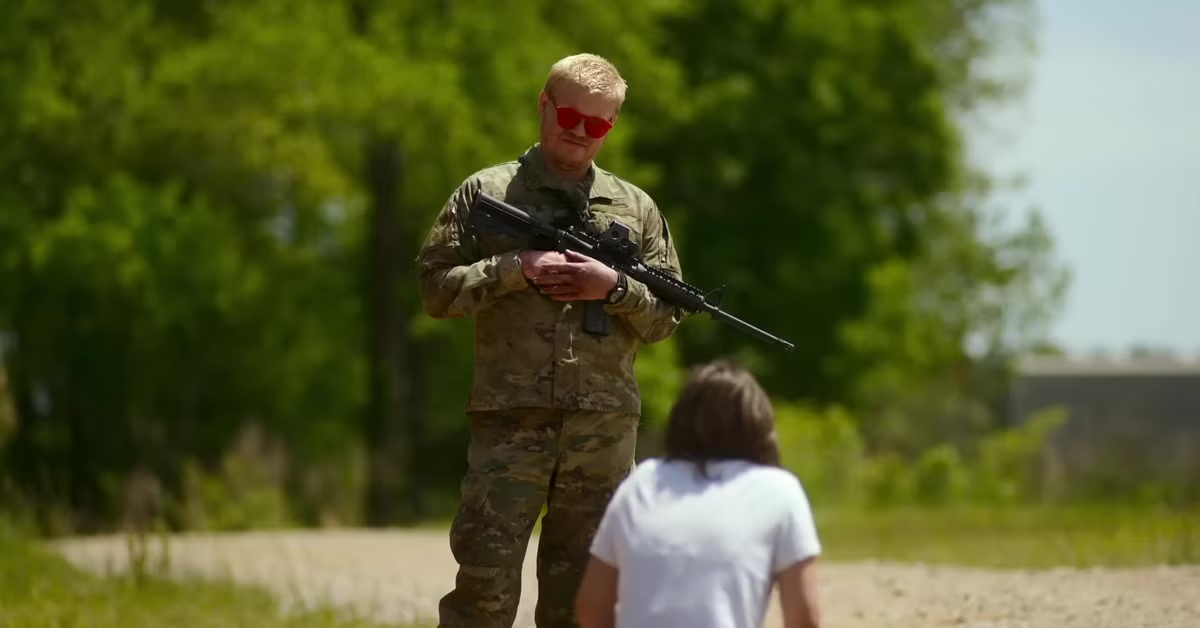 One scene in particular has become iconic: the chilling moment when the group is asked, “What kind of American are you?” while standing near a mass grave. That seven-minute sequence, led by Jesse Plemons, elevated Civil War from a strong film to essential viewing.
Ultimately, Civil War isn’t really about war itself. It’s about the cost of societal fragmentation and the people who put their lives on the line to document the truth as it unfolds. It’s a gritty, beautifully shot nightmare that feels uncomfortably close to home.
If you’re looking for thoughtful film recommendations like this one, Recce is where you’ll find genuine reviews to help you decide what to watch next.
Stalingrad Dollosa
Author