Di Caprio is Wrong About the Future of Cinema
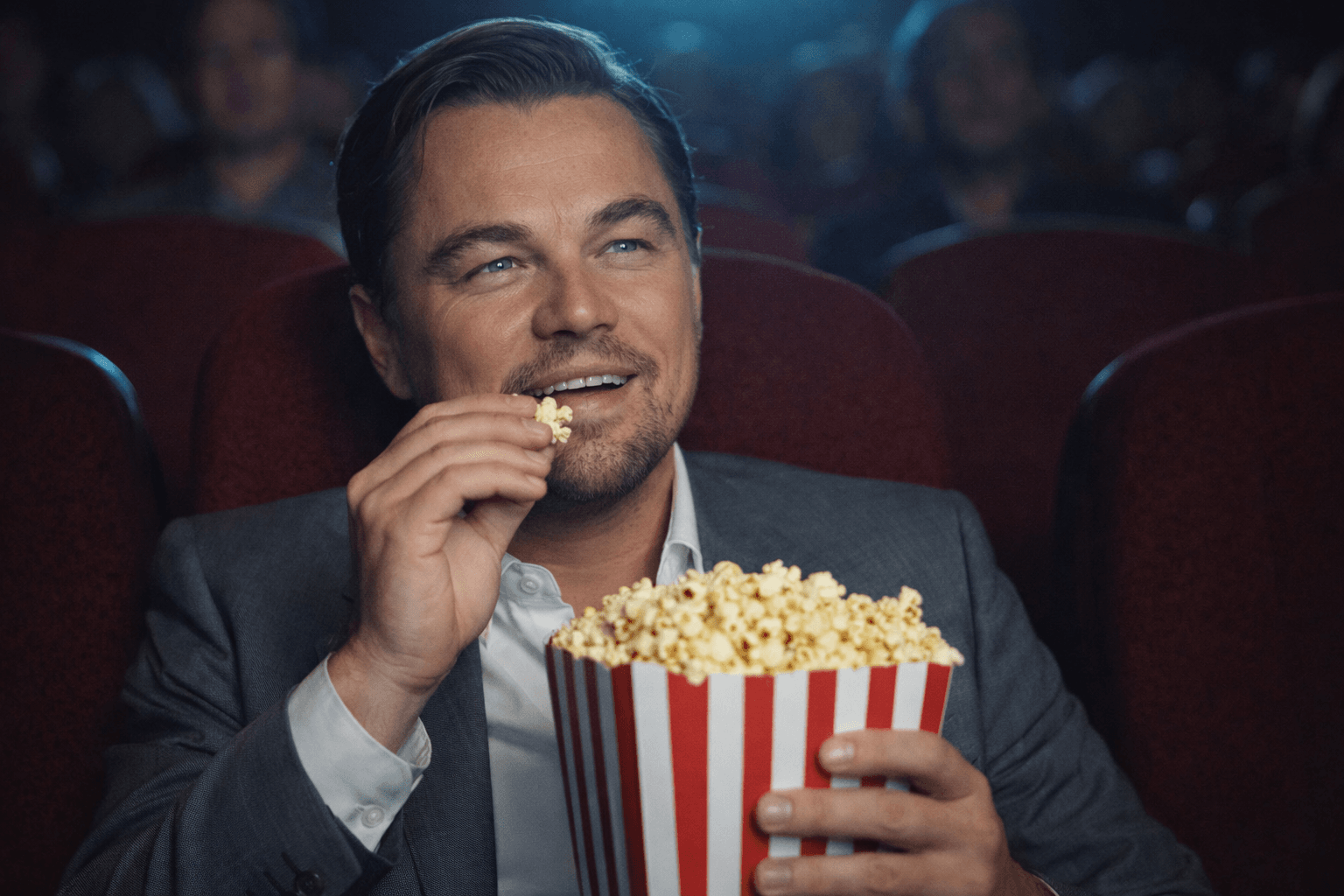
If you're reading this then you likely have an appetite for film. You may also be a more regular cinema-goer than most. But Leonardo DiCaprio thinks you (and I) might be a dying breed.
In a January 2026 interview with The Times, Hollywood stalwart Leonardo DiCaprio made intriguing headlines in the movie world. The star of One Battle After Another (2025) suggested that cinemas could one day become a niche corner of the community, comparing them to jazz bars of today.
He said: “It’s [the cinema industry] changing at a lightning speed. We’re looking at a huge transition. First, documentaries disappeared from cinemas. Now, dramas only get finite time and people wait to see it on streamers. I don’t know. Do people still have the appetite? Or will cinemas become silos, like jazz bars?”
DiCaprio, as an actor whose films are estimated to have grossed $7.2billion worldwide (Box Office Mojo) and who's so far won a BAFTA, Academy Award and three three Golden Globes among other accolades; his opinion on cinema is of course highly-regarded. But when was the last time DiCaprio actually went to a cinema? When was the last time he strolled into a Savoy, picked up some popcorn and a Tango Ice Blast?
I'd argue that it's been a while, and I'd also argue that the opinion of the more common cinema-goer would bet against our beloved theatres stumbling into the niche category of activity. At least for a while yet.
Why Leonardo DiCaprio thinks cinema is a dying activity
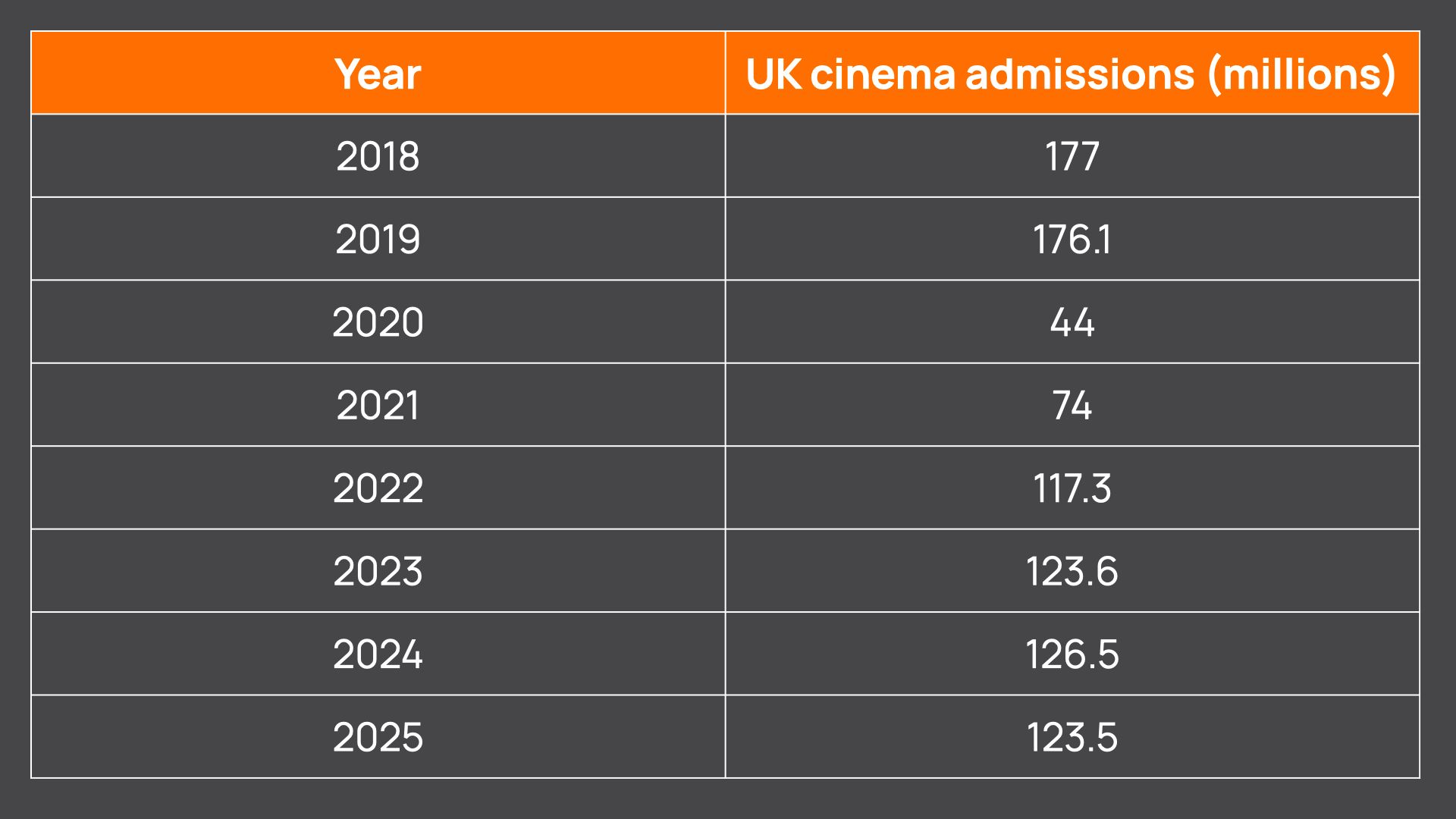
It's undeniable that a raft of events and developments in how we consume media has impacted the everyday cinema. Covid is the latest of these events. Covid has fundamentally changed how we live and work and cinema has taken a hit. The UK especially has seen a drop with cinema admissions down 30% since 2019. But it's still a strong sector, plateauing after the Covid dip. In fact, 2025 was the UK and Ireland's best year for revenue since the pandemic with its theatrical market making $1.45 billion, according to Comscore Movies.
 Then there’s the streaming services. The ease with which they deliver films, often new ones, right to our living rooms.
Netflix alone has a staggering 325 million paid subscribers as of early 2026. What's more is that the gap between release and availability on streaming services has decreased significantly. The 2023 release of The Super Mario Bros. Movie for example appeared on PVOD (premium video-on-demand) media just 41 days after its release, on streamers such as Amazon Prime Video and Apple TV, where the user would rent the movie to watch at home.
DiCaprio certainly has a point, then. It's become easier and cheaper for us to consume movies at home. But watching the latest blockbusters at home will never capture the true essence of cinema, and there's strong evidence that cinema is still a thriving trade.
Why cinema is not dying out just yet
A movie's success is largely (but not entirely) based on how much it grosses - if movies stopped grossing so much then production and distribution companies would simply cease to exist. 2023 was a fine example of the lifeblood of cinema with the phenomenon of 'Barbenheimer'. Barbie grossed more than $1.4billion worldwide and Oppenheimer just under $1billion. The year before, Avatar: The Way of Water grossed more than $2billion, Spider-Man: No Way Home in 2021 grossed $1.9billion.
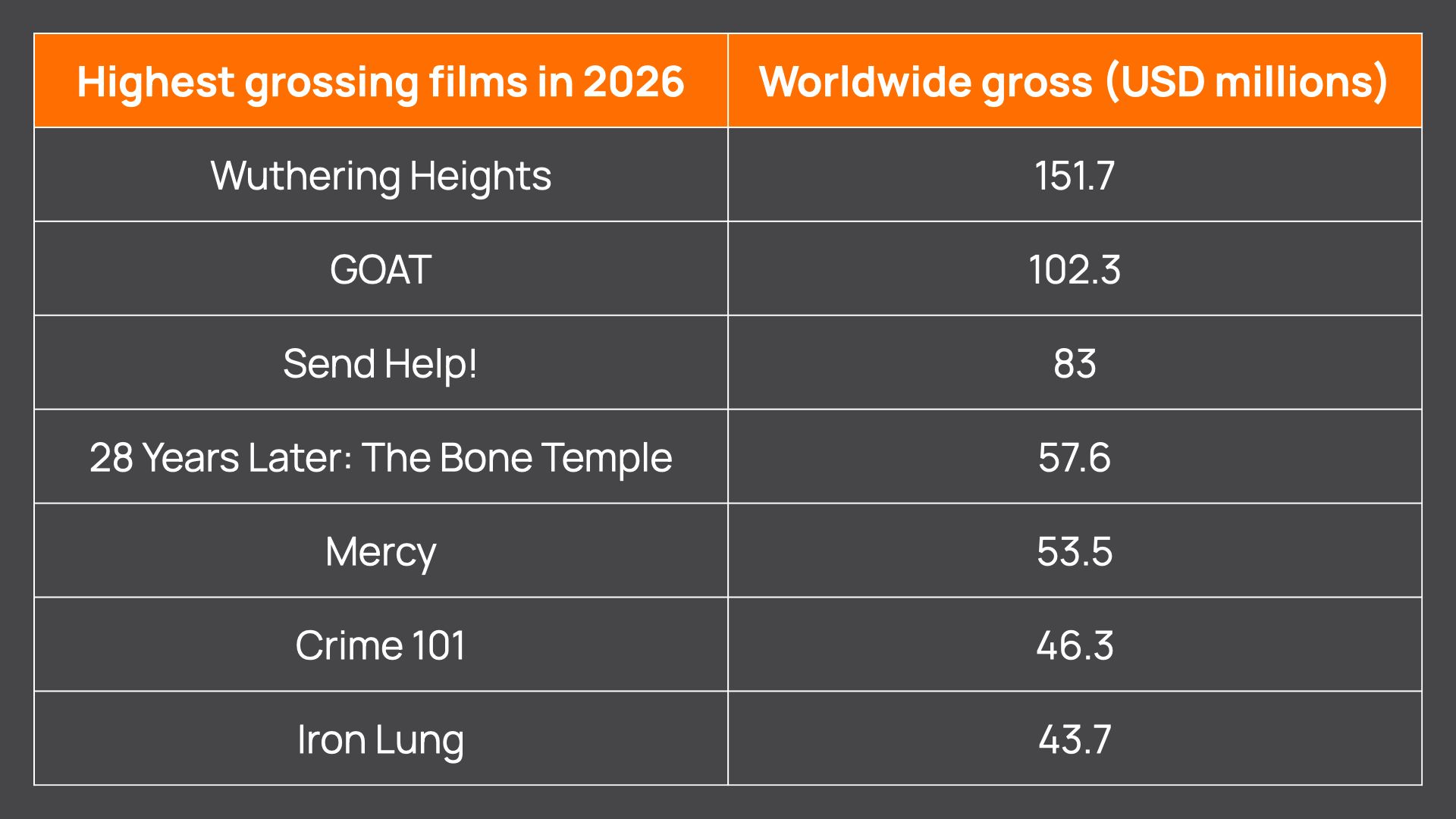
The brilliant Marty Supreme, released in the US on Christmas Day and in the UK on Boxing day, surpassed $80million by mid-January and is now estimated to have reached around $152million worldwide towards the end of February. And although big box office hits like Barbie and Oppenheimer only come around so often, it's not stopping production and distribution companies from churning out films.
 Sadly, though, a lot of films still struggle to simply breakeven. Joker: Folie a Deux was reported to have lost up to $200million, Mickey 17 was a calamity of a movie and an investment, losing a similar amount. Then there's the fact that inflation distorts results.
What's more is the balance of profit between studios and cinemas continues to be a sticking point. Studios often get less than half the gross revenue of a film, relying heavily on selling the licensing to streamers to make up the rest of the profit. Don't forget the amount of money it costs to market these blockbusters, too. Making movies is a risky business. But the fact is that studios still do, all the time, and people still go to the cinema, all the time.
What does the future of cinema look like?
The future of cinema will look undoubtedly different. We may see more Markipliers popping up, financing their own studios and productions, as was the case with his box office hit Iron Lung which has so far grossed nearly $40million. We may see more re-runs. The Lord of the Rings trilogy often plays at my local Odeon and is often their biggest seller. There's also more variety in cinemas arriving on the High Street. A more luxury cinema experience at Everyman, a more comfort-led experience in Savoy where couples can hire sofas for a movie night out.
DiCaprio isn't necessarily wrong in what he says. But cinema isn't in some 'huge transition' changing at 'lightning speed'. Cinema is cinema. We go out, we watch a film. Their popularity is plateauing after the Covid drop and studios keep on making movies. Expensive ones. The world around us is what's changing drastically. But although everyday items and luxuries like cinema tickets are getting more and more expensive, the people are still making box office hits.
So let’s see. The June release of Toy Story 5 will tell us all we need to know about the future of cinema. Christopher Nolan's The Odyssey in July, and Avengers: Doomsday in December. I’d bet that these three films alone will prove to DiCaprio and the rest of us that cinema is still something we all love and afford.
Luke Phelps
Author