Emily Blunt: Hollywood’s Most Underrated Leading Lady
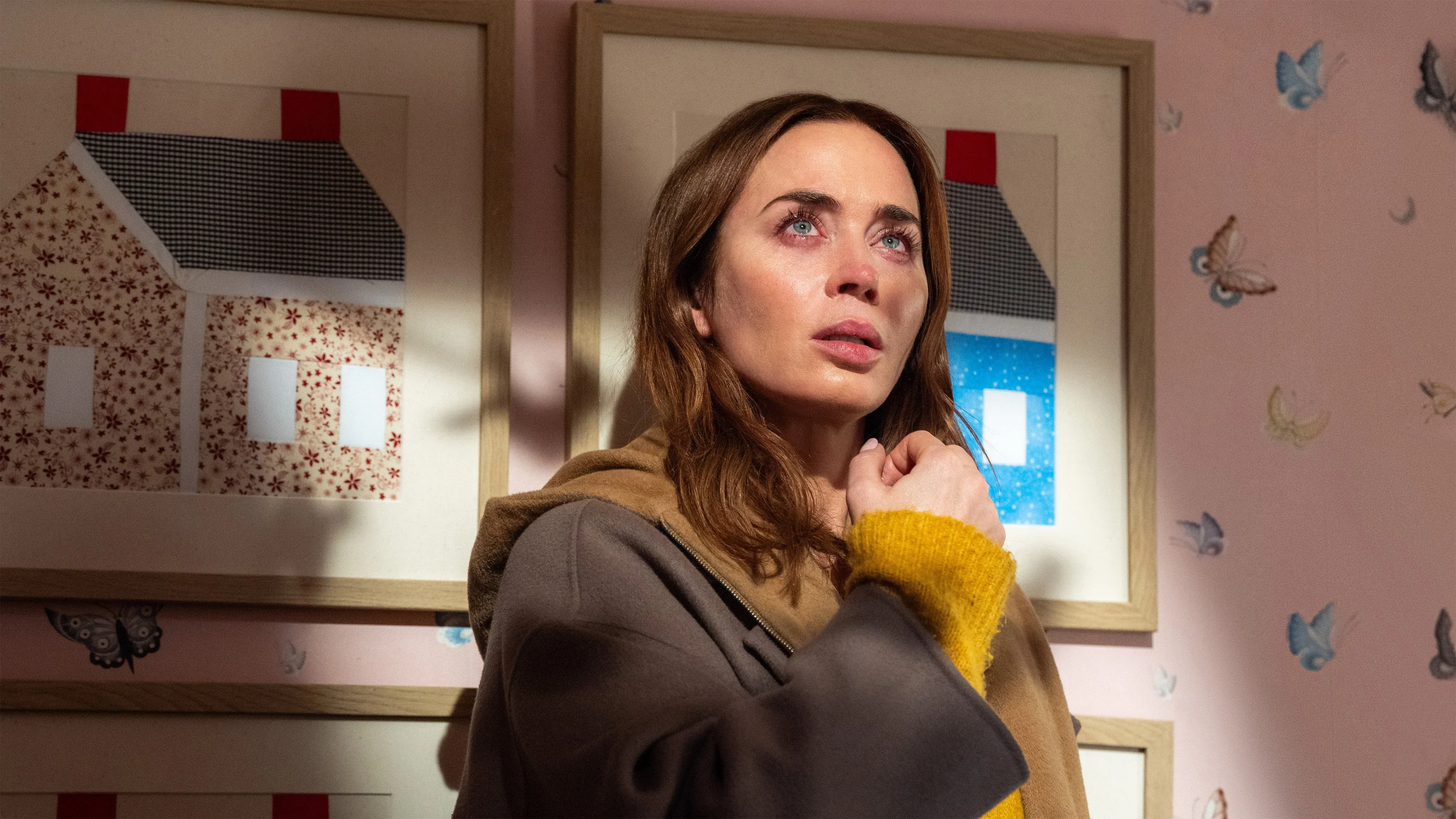
For two decades now, Emily Blunt has been doing some extraordinary work in plain, cinematic sight. Yet somehow it’s taken Hollywood this long to catch up to her subtle brilliance on screen.
The Devil Wears Prada first hit our screens in 2006. It made a household name of Anne Hathaway and further cemented Meryl Streep’s name in cinema folklore. But it was Emily Blunt as the sharp-tongued senior assistant Emily Charlton who walked away with the funniest, most quotable performance in the film. She took the role of a secondary character and stood out, even whilst sharing screen time with two greats. Twenty years later in the film’s second edition, she reprised the role with the same arrogance, even more acting prowess, and an air confidence and calm that we only see from actresses who’ve really come to master the craft.
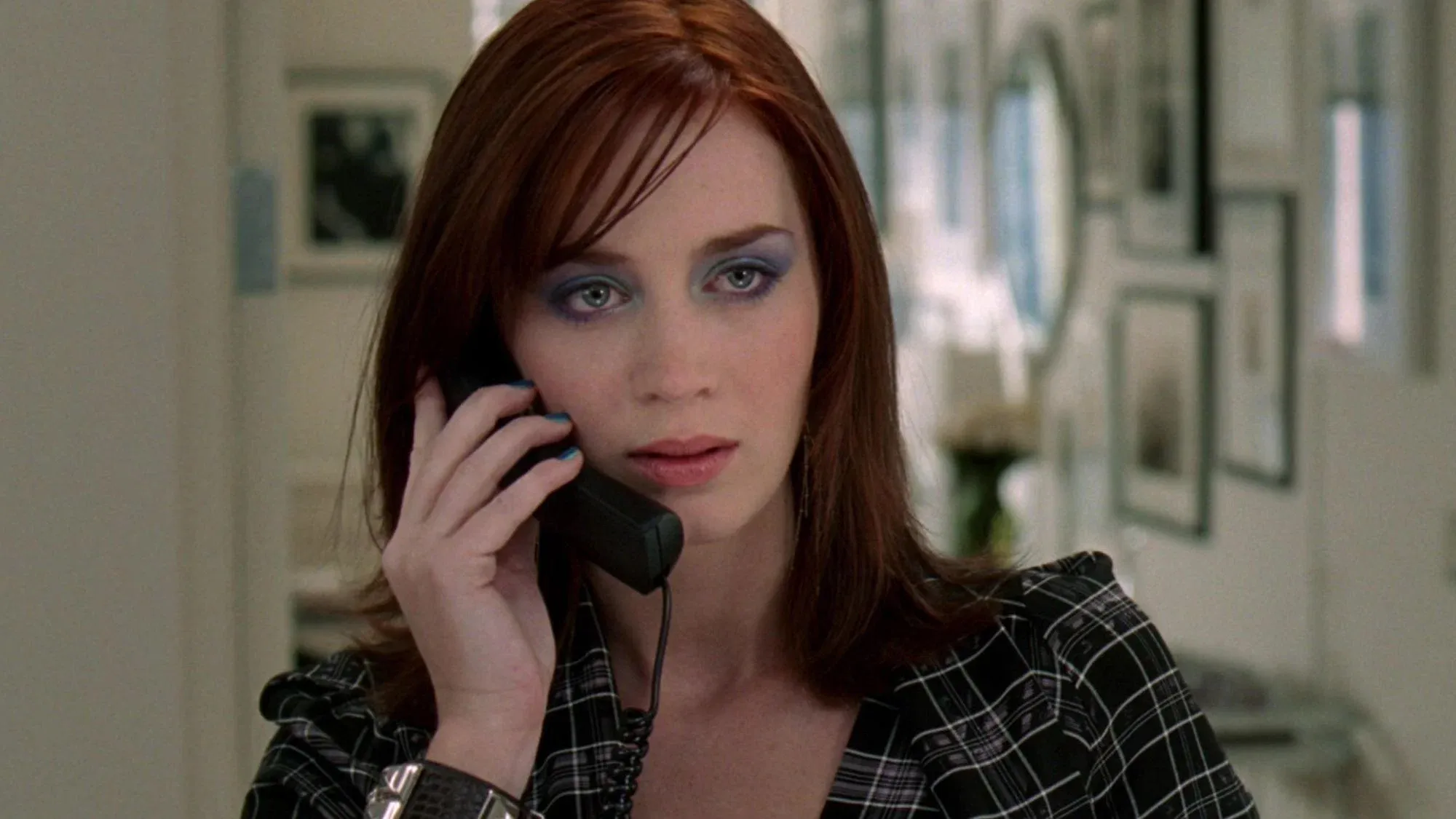 It’s the performance that most people still associate her with, and it’s telling that even in a movie stacked with Meryl Streep in one of her most iconic roles, Blunt didn’t get lost in the runtime. And that’s been the pattern ever since. Blunt doesn’t need the flashiest role to catch the viewers’ eye. To put it metaphorically - Emily Blunt doesn’t need to drive a Ferrari to get you to look, just something with wheels.
The unspoken range of Emily Blunt’s film career
Few have spanned genres and characters quite like Blunt has done in her career so far. She was a steely, grief-hardened soldier retraining a jaded Tom Cruise in Edge of Tomorrow. A few years later she was the moral center of Sicario, playing an FBI agent slowly realizing she’s a pawn in a war with no clean side. Then she strapped on an apron and sang her way through Mary Poppins Returns, avoiding making herself a Julie Andrews 2.0 and instead building a charming version of Poppins that was entirely her own.
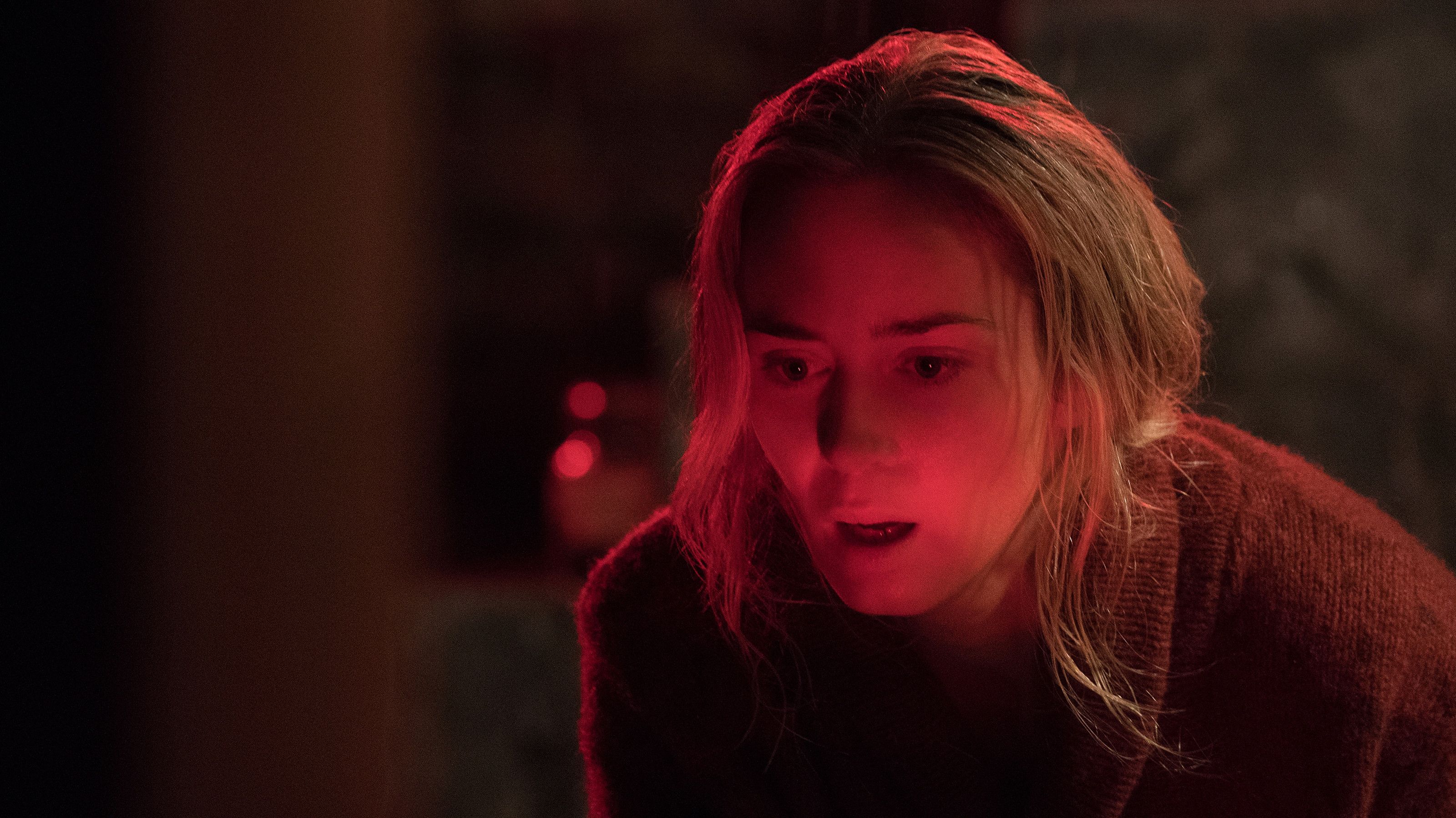 And then there’s A Quiet Place, where she gave birth in silence while a monster hunted her entire family. It’s one of the most purely terrifying pieces of physical acting in a horror film perhaps this century, and she did almost none of it with dialogue. And that’s one of the incredible things about Blunt: she often says it best when she says nothing at all. Maybe it is she who Ronan Keating has been singing about for so long.
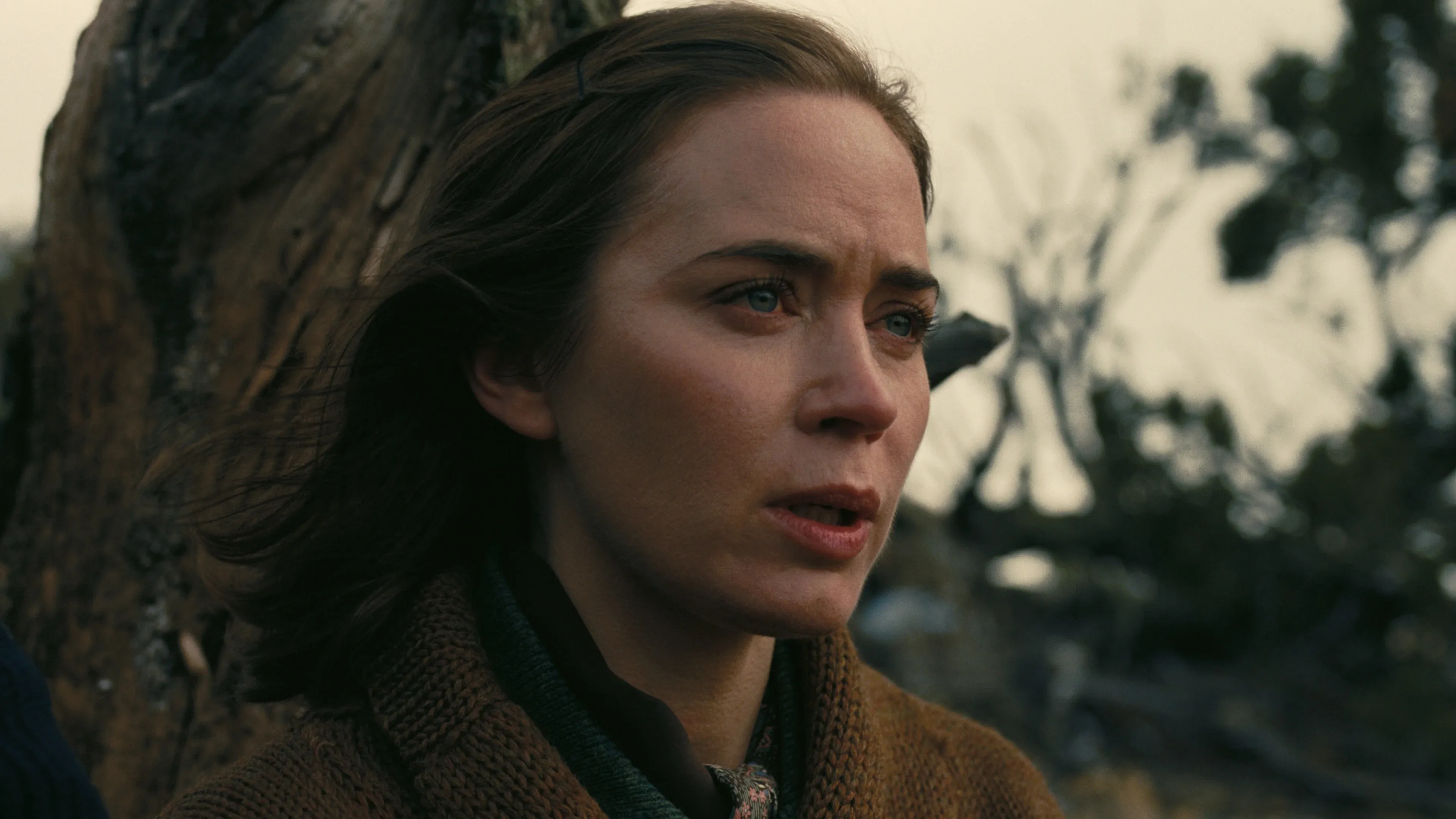 And then, her portrayal of Kitty Oppenheimer in Christopher Nolan’s Oppenheimer finally got her the kind of awards attention her career had been building toward for years, including her first Oscar nomination. But anyone who had been paying attention already knew what she was capable of. Kitty could easily have been a thankless, sidelined wife role but instead Blunt made her sharp and furious, and unforgiving in ways that gave the film some of its rawest scenes.
Emily Blunt lets her acting do the talking
Another remarkable ode to Emily Blunt is how little noise she’s made about any of her work. She’s certainly not a tabloid headliner, nor is she constantly weighing in on issues outside of acting or courting controversy. She shows up, does work and then goes home, content to let her performance speak on her behalf.
In an industry that rewards visibility and opinion as much as talent, some may say Blunt’s choice to stick to acting is unusual, but it may be exactly why her talent has been easy to underrate. There’s no origin myth, no dramatic comeback narrative, no scandal-fueled redemption arc to hang a story on. Just film after film of quietly excellent craft.
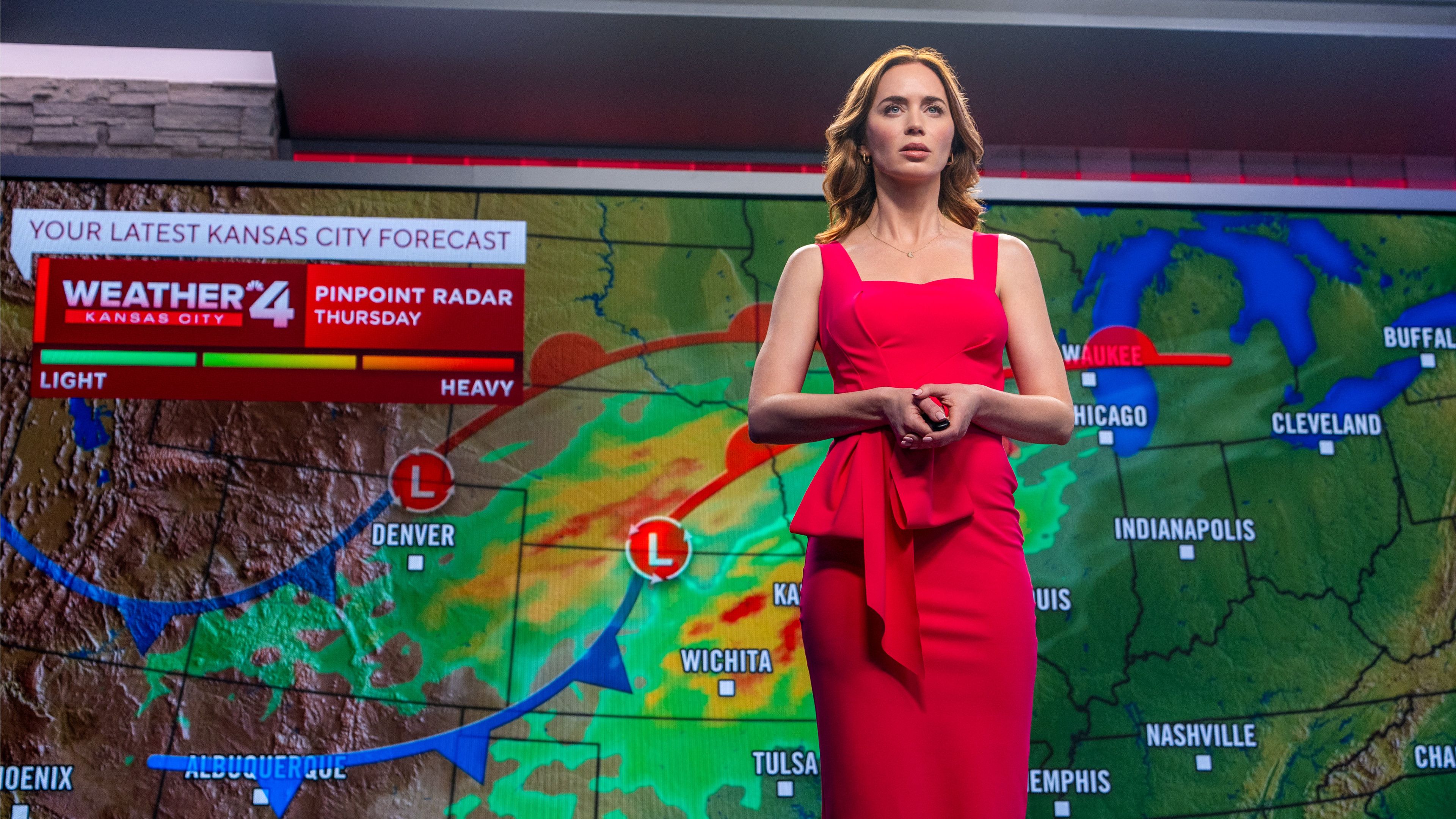 But now, her silence is ending, at least in terms of recognition. She teamed up with Steven Spielberg for Disclosure Day playing a Kansas City meteorologist swept up in something far stranger than a weather segment. That role, following on from The Devil Wears Prada 2, is a sign that Blunt has cemented herself in conversation for the big leading roles in Hollywood, and she’s yet to disappoint whenever given the chance.
A third A Quiet Place film is also on the way, with Blunt returning to the role that first showed audiences what she could do without saying anything at all. It’s tempting to call this a late-career renaissance, but that’s not quite right, because it implies Blunt has improved her game tenfold, which she didn’t. She’s been her brilliant self the whole time. Hollywood is simply catching up to the actress we could see as far back as 20 years ago.
Luke Phelps
Author