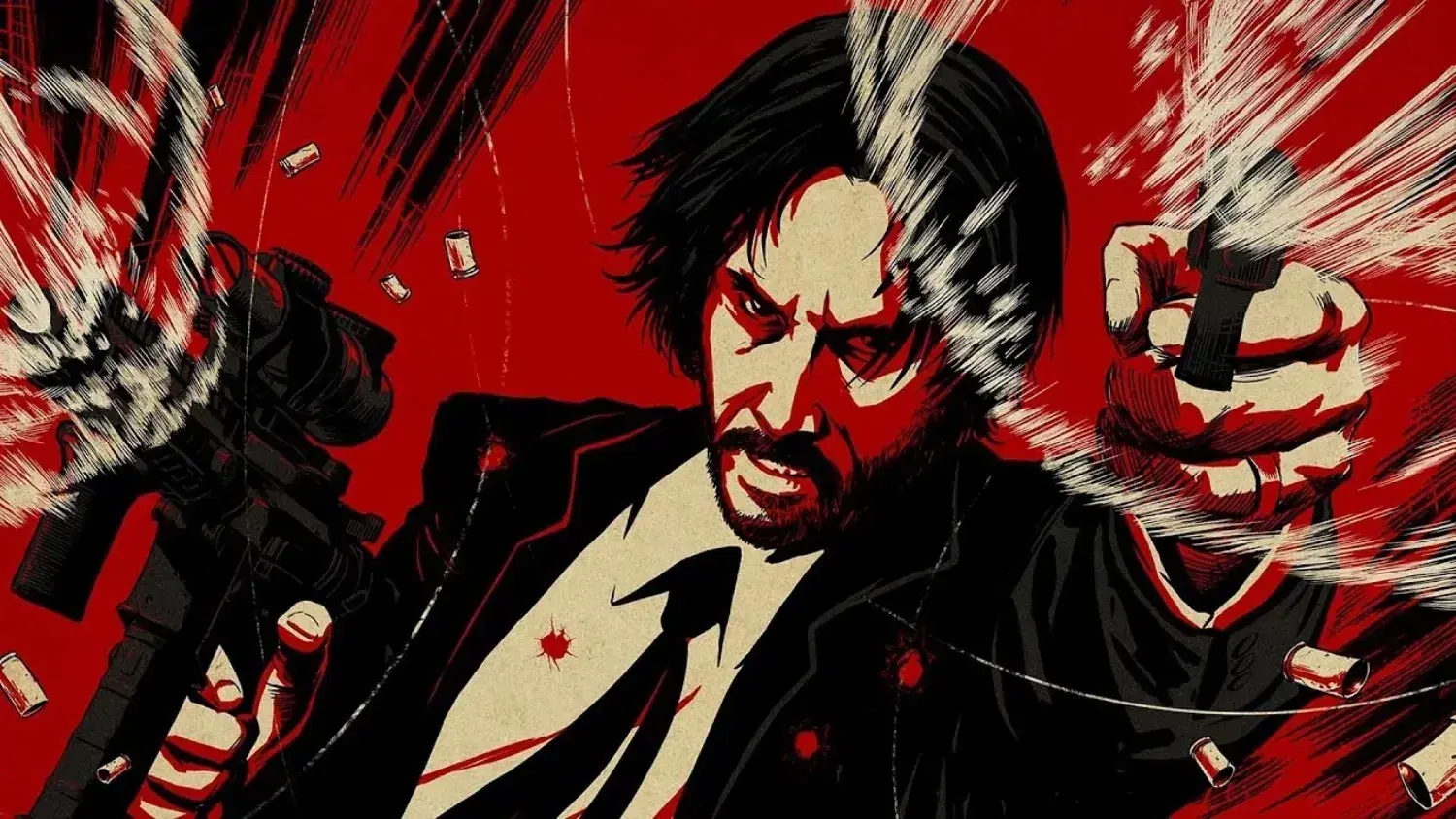
How Marty Supreme Channels the Spirit of Rocky
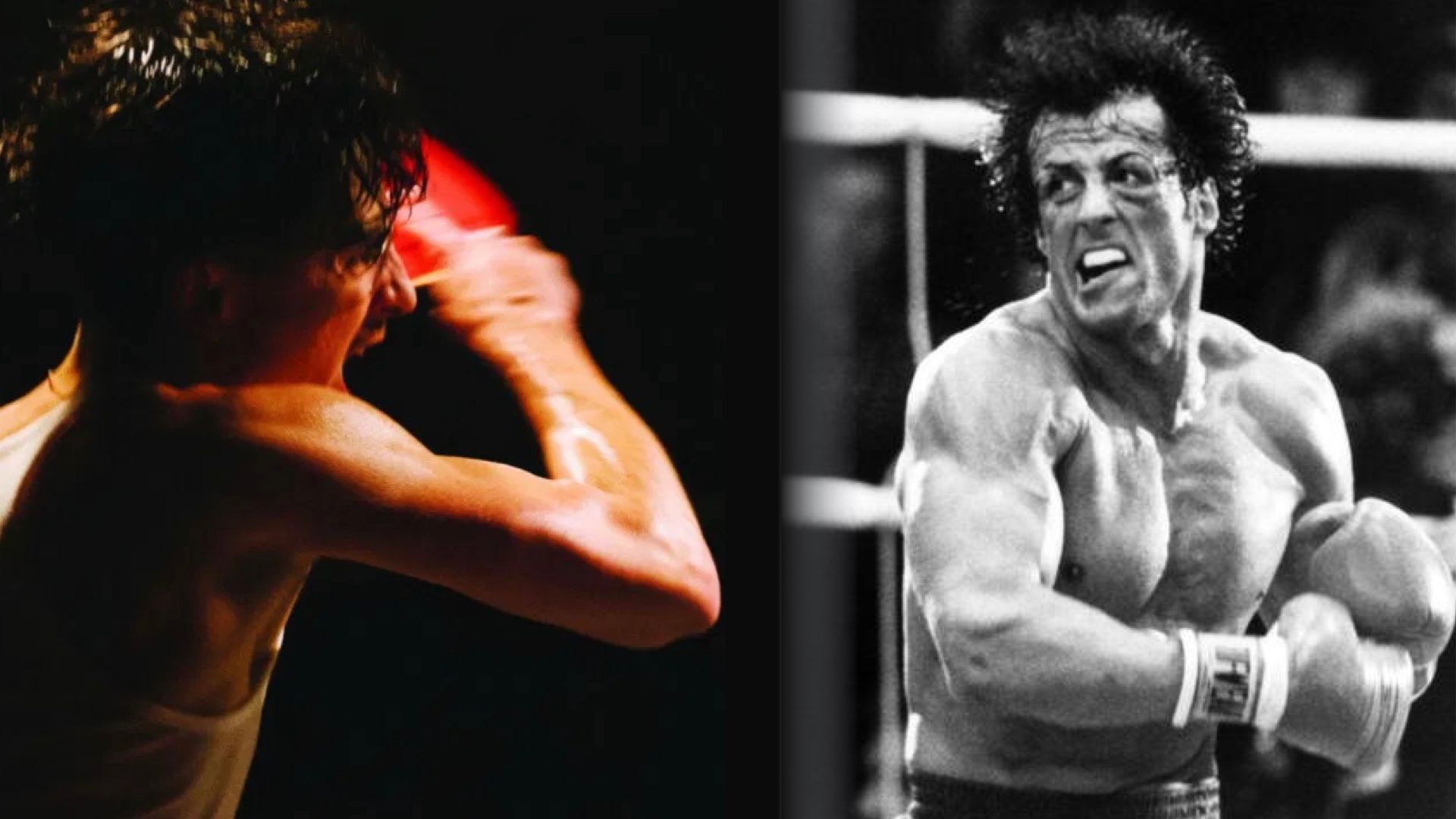
Every great underdog story understands one essential truth, the setting is never just a backdrop. It’s a pressure cooker. In Marty Supreme, that idea sits at the core of the film’s identity, drawing clear influence from classics like Rocky while confidently telling a story of its own. Like its cinematic forebear, Marty Supreme knows that character is shaped by environment, and that victory only matters when the world around you insists you don’t deserve it.
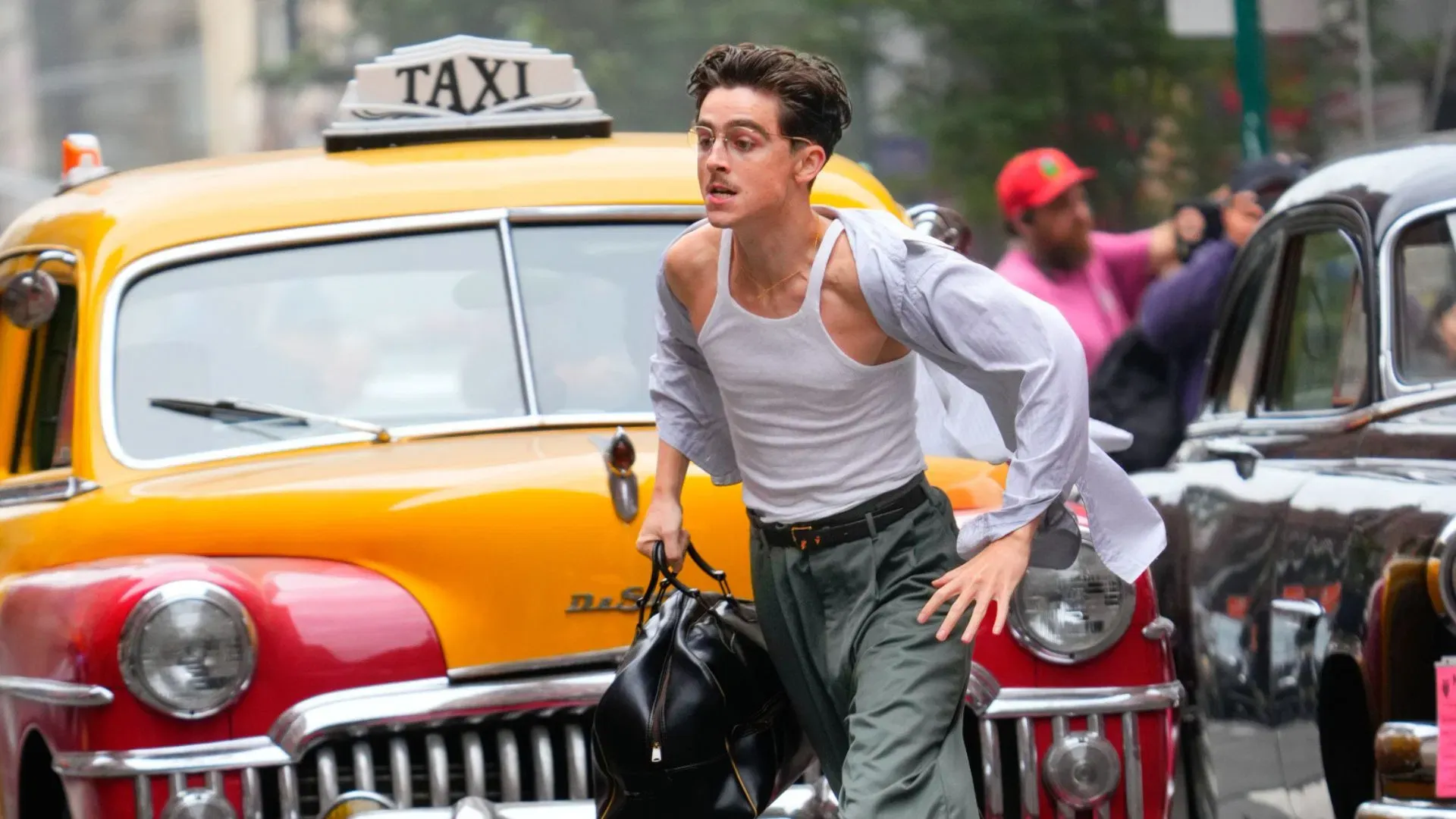 From its opening moments, Marty Supreme establishes a close relationship between place and purpose. The streets Marty inhabits feel heavy with limitation and routine. This is not a city designed for reinvention, it’s one built for endurance. Much like Rocky’s Philadelphia, the setting exists to challenge the protagonist rather than inspire him. Every location reinforces the same message, no one is waiting for you to succeed.
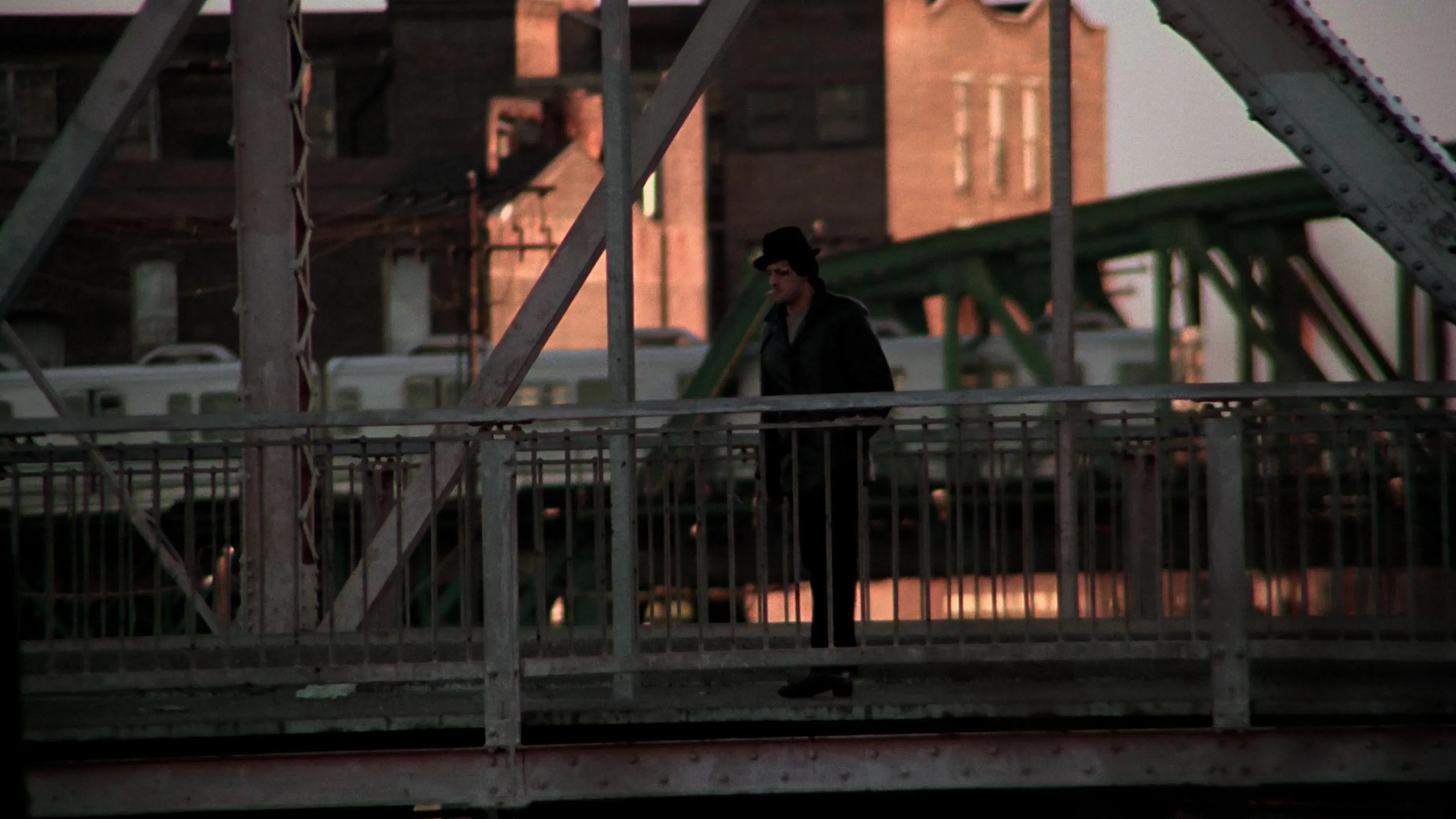 Rocky used Philadelphia as a mirror for Rocky Balboa himself, weathered, overlooked, and quietly resilient. Marty Supreme adopts that same visual language. Marty’s surroundings reflect his internal state, constrained, frustrated, but simmering with possibility. The environment becomes a constant reminder of what’s at stake. Escape isn’t abstract, it’s physical. If Marty is going to change his life, he has to move through the world differently.
Crucially, both films resist the temptation to romanticise struggle. Rocky never suggests that hardship is heroic, it’s simply unavoidable. Rocky fights because it’s what he knows, not because it guarantees transcendence. Marty operates on the same wavelength. His ambition isn’t driven by fame or glory, but by self-respect and the need to expand beyond the limits placed on him. This grounded motivation keeps the film emotionally honest.
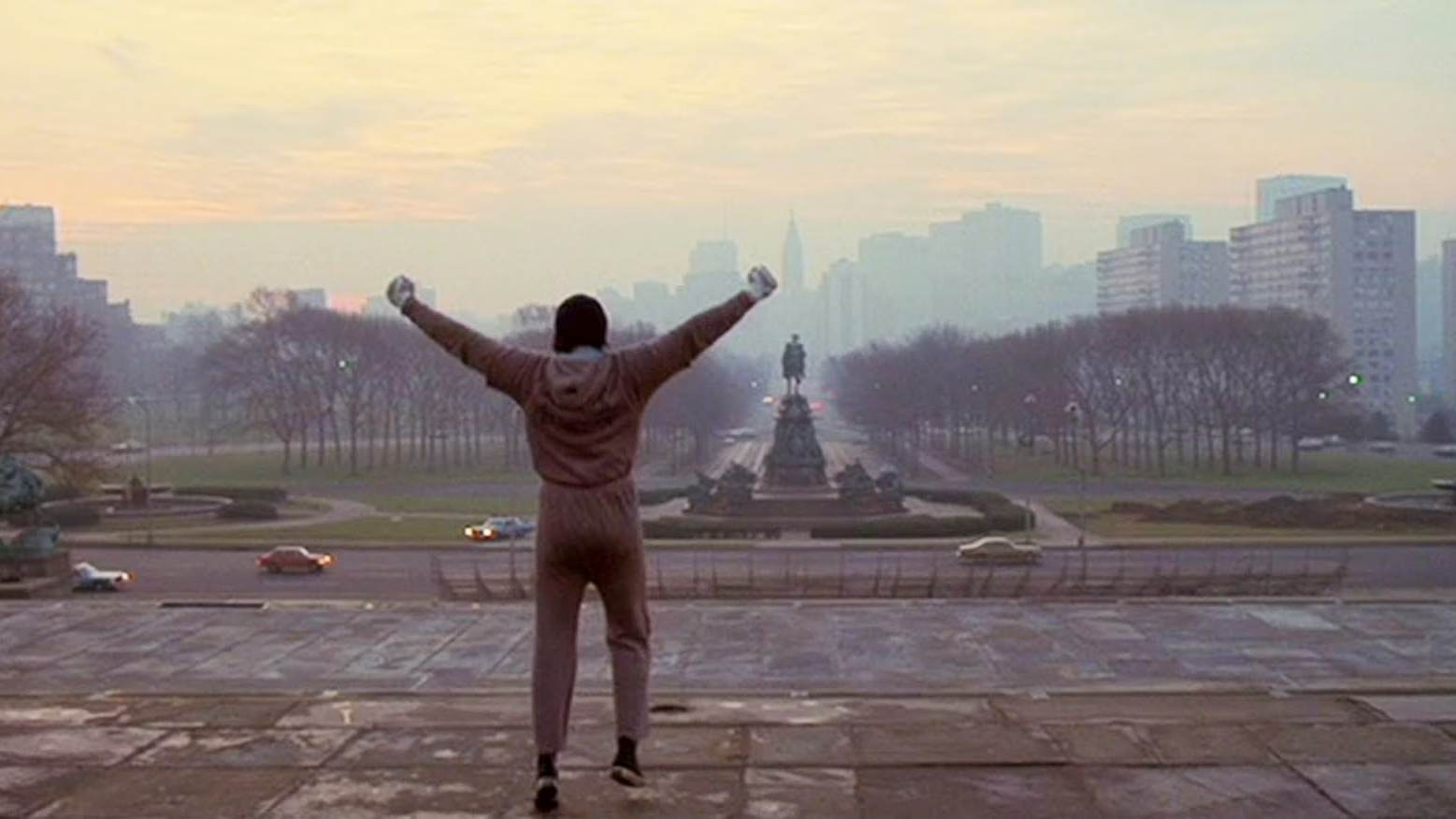 Training and preparation sequences in both films work because the settings push back. Whether it’s Rocky pounding frozen meat or Marty carving discipline out of unglamorous routines, the world never applauds. These moments aren’t stylised fantasies, they’re negotiations with reality. The locations resist transformation, and that resistance is what gives progress its weight.
Another shared strength is restraint. Neither film rushes its emotional payoff. Small victories matter, a routine completed, a boundary crossed, a moment of belief earned. By anchoring these wins in tangible environments, both stories avoid myth-making and instead deliver something far more satisfying, earned momentum.
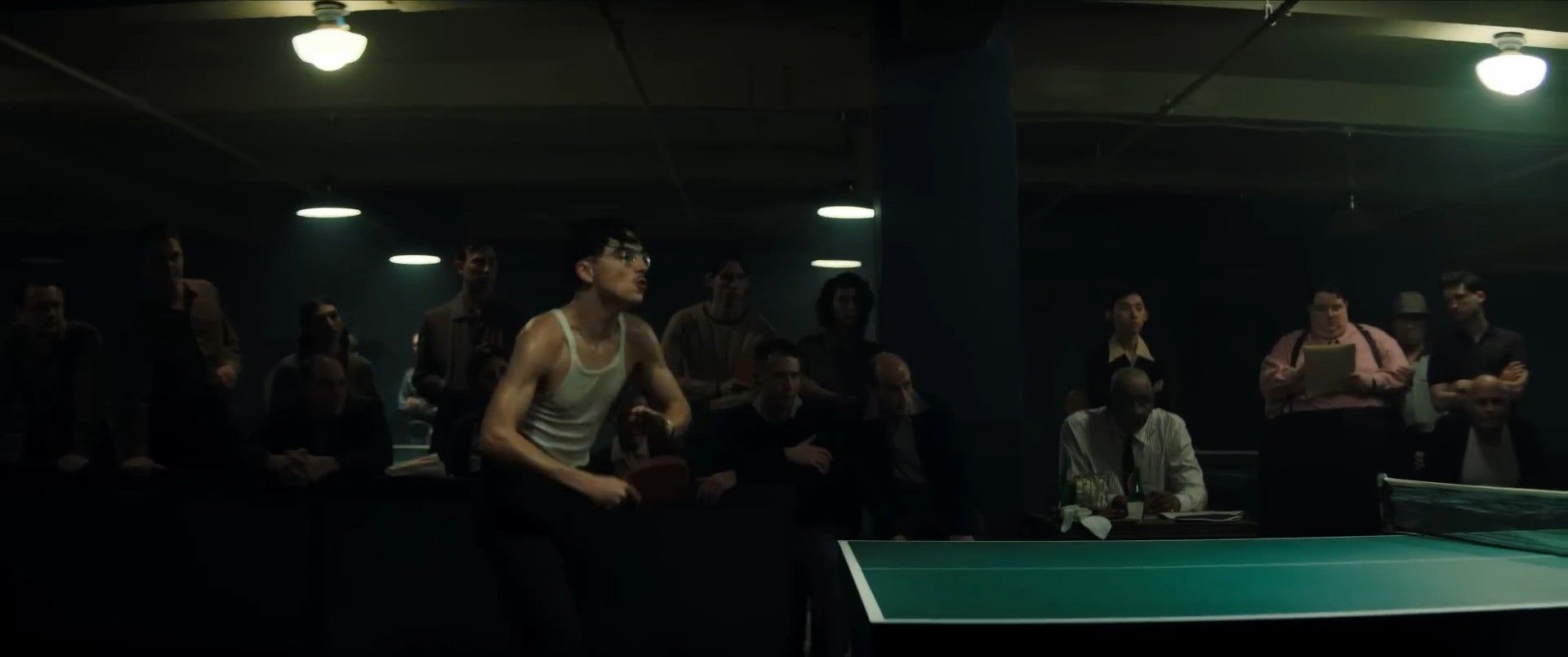 If Marty Supreme leaves you wanting more films where character and setting are inseparable, there are strong companions worth exploring. The Fighter uses hometown gravity to frame cycles of limitation and escape. Warrior grounds its operatic family drama in working-class America. Raging Bull strips setting down to psychological confinement, while Creed proves that a familiar environment, revisited with purpose, can still feel vital.
Like Rocky, Marty Supreme understands that underdog stories endure not because of spectacle, but because of place. These films don’t promise miracles. They ask us to believe in persistence, shaped by streets that never promised anything at all.
Simon Jouny
Author