If This Place Was A Film, What Would It Be?
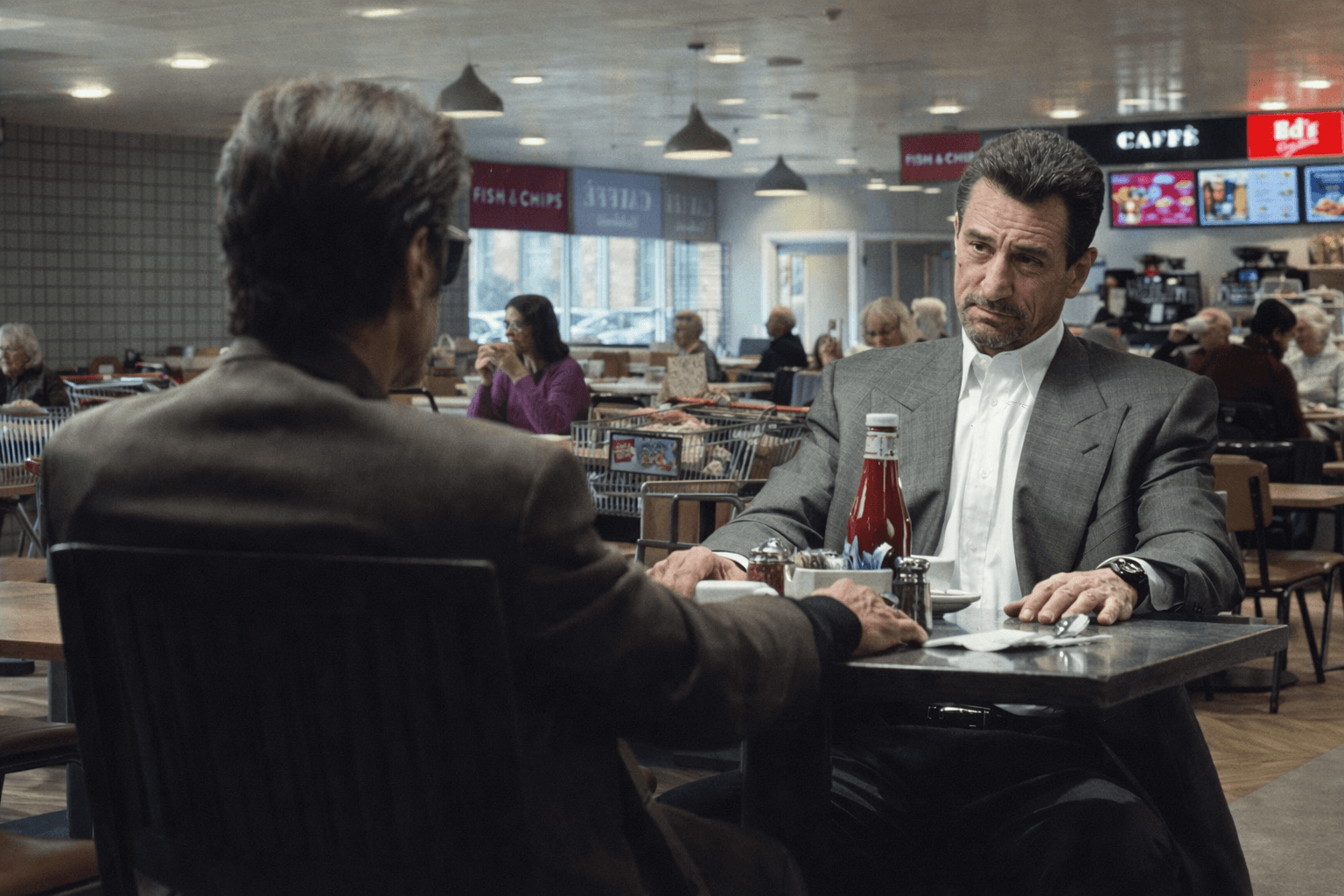
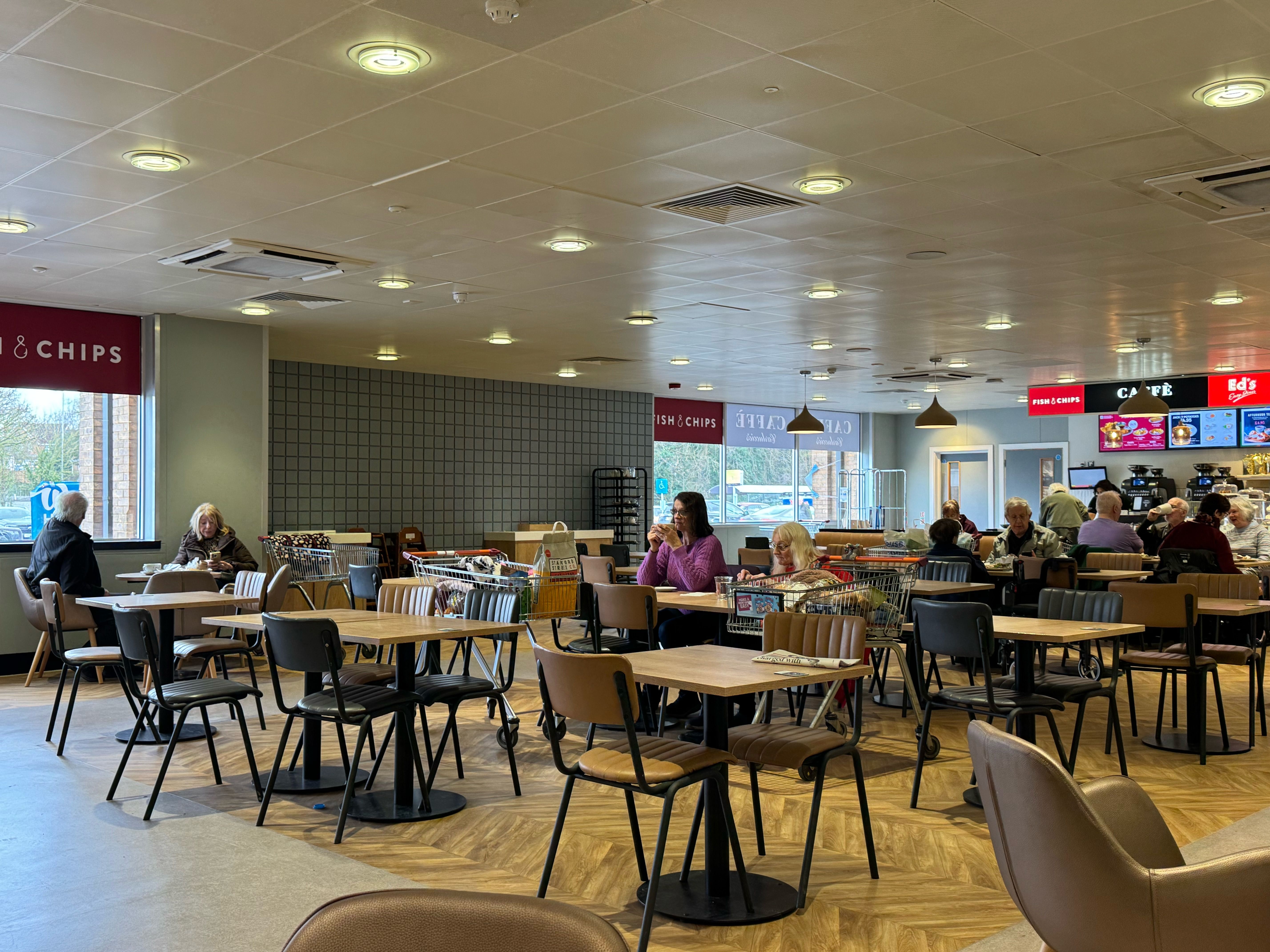
The café on the edge of Stevenage is aggressively beige. Brown wooden floors, brown tables with brown chairs tucked in. The light is bright but tired, flattening everything it touches. A tiled wall stretches along one side of the room, the kind you might find in a 1970s kitchen. Practical, unadorned and resistant to change. Nothing about the space demands attention. It’s functional, quiet, and easy to overlook and yet, if this place were a film, it would not be a romantic comedy or a sweeping drama. It would be a crime thriller. One of those slow-burning procedurals where the breakthrough arrives not with a car chase, but with a cup of coffee going cold.
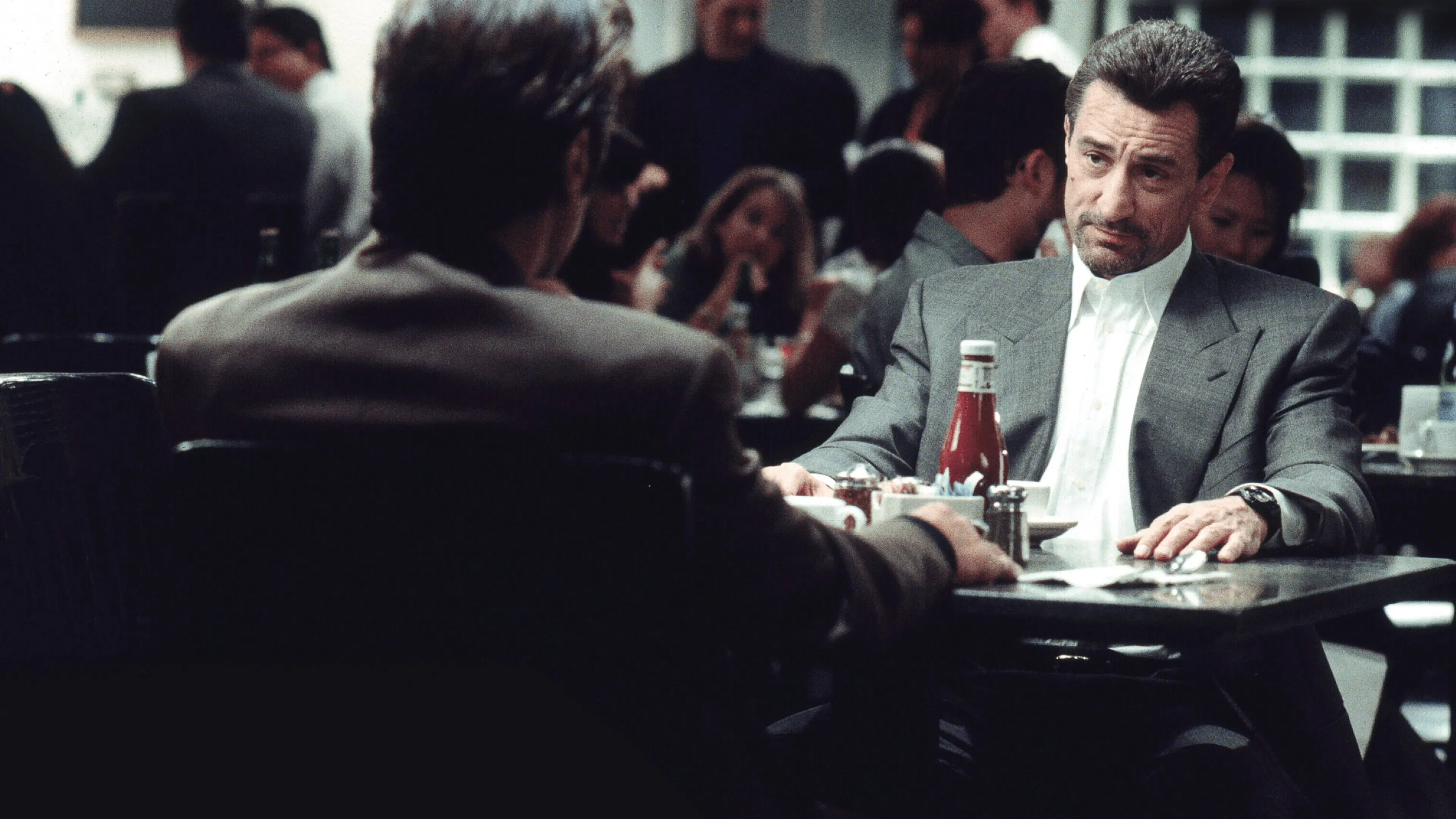
Cafés in cinema often appear incidental. They are places where characters pass through, where conversations fill silence between larger events. But they are frequently pivotal. They are neutral ground. Confession booths without the formality. In films like Heat, the café becomes the stage for a confrontation that changes everything, not
through spectacle, but through stillness and dialogue. The power lies in restraint. There is restraint here too.
 A woman sits alone at a small table near the window. She has split her newspaper neatly in two, folding one half away as if compartmentalising the world into manageable sections. She reads with concentration, head slightly lowered, absorbing every word. In another setting she might fade into the background. Here, she feels central like the one person in the room who notices the detail that everyone else has missed. Around her, the afternoon hums quietly. Cutlery taps against ceramic. An elderly couple share an Eccles cake in deliberate silence. The espresso machine exhales in short bursts, like a tired witness being questioned. Nothing dramatic happens, and yet the atmosphere feels poised. Waiting.
 This is the kind of place where a detective might finally see the pattern. The case has stalled for weeks. Files are scattered across a kitchen table at home. Sleep has become elusive. But here, in the unremarkable calm of a suburban café, the noise of the investigation softens. The mind clears. A small detail that was previously dismissed locks into place. The revelation is quiet. No music swells. No one else in the room notices. But everything has shifted.
What makes cafés so powerful in film is precisely this ordinariness. They are spaces between action, where characters are forced to sit with their thoughts. In the pause, truth surfaces. The setting does not distract; it contains. This café, with its dated tiles and practical furniture, would never market itself as cinematic. It does not trade on nostalgia or aesthetic charm. Yet that is exactly why it works. It is believable. It is grounded. It allows the human moment to take precedence over spectacle. If this place were a film, it would not rely on glamour. It would rely on stillness. And somewhere between the first sip of coffee and the final crumb of cake, the mystery would quietly unravel.
Peter Hall
Author