Love & Work: When Hollywood Couples Break Their Own Rules

There are some unwritten rules in Hollywood that feel almost sacred. One of them is that mixing marriage and work can be complicated, messy, and best avoided. Which is exactly why it’s so intriguing that Michelle Pfeiffer and David E. Kelley have decided to break their own long-standing rule by collaborating on Margo’s Got Money Troubles. For years, they’ve kept their professional and personal lives separate, building two of the most respected careers in the industry on their own terms. Now, they’re choosing to bring those worlds together and that decision alone makes the project worth watching.
There’s something inherently compelling about real-life couples working together on screen or behind the camera. It’s not just a gimmick. At its best, it creates a layer of authenticity that audiences can feel, even if they can’t quite put their finger on why. When it works, it elevates the material. When it doesn’t, it can be painfully obvious. The difference usually comes down to trust, timing, and whether both parties bring something distinct to the table.
 Take John Krasinski and Emily Blunt in A Quiet Place. This wasn’t stunt casting. Krasinski built a tightly controlled, emotionally driven horror world, and Blunt anchored it with a performance that felt raw and lived-in. Their real-life relationship translated into something deeper on screen, particularly in the quieter moments where the film either works completely or falls apart. It very much worked.
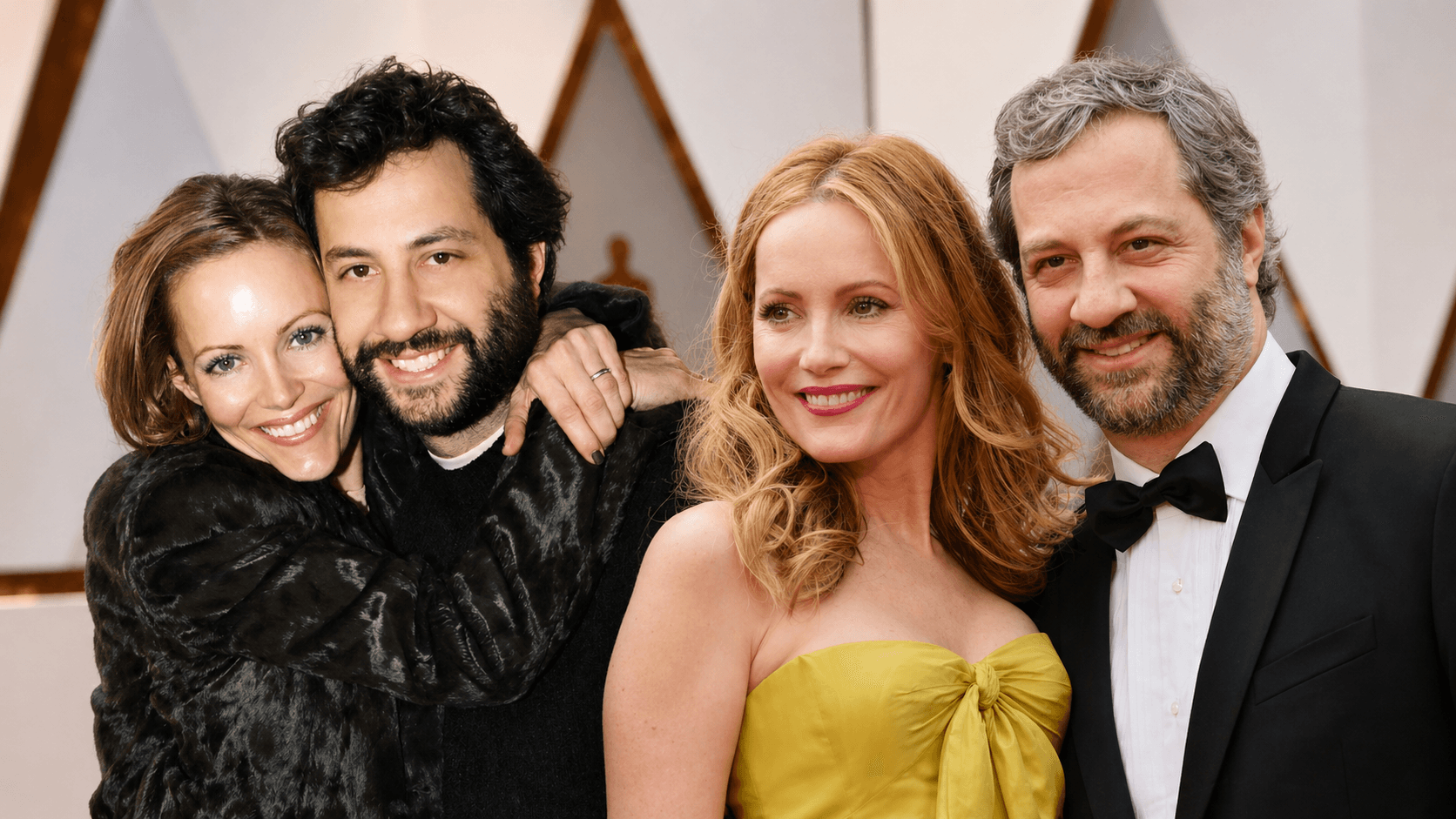 Then there’s Judd Apatow and Leslie Mann, who have turned their relationship into a kind of creative shorthand. In This Is 40 especially, the line between fiction and reality blurs in a way that feels intentional. The arguments, the humour, the frustrations of long-term partnership, it all lands because it feels observed rather than written.
 Some partnerships thrive in repetition. Paul W. S. Anderson and Milla Jovovich built an entire franchise together with Resident Evil, returning to the same world again and again with a clear understanding of tone, character, and audience. It’s less about subtlety and more about consistency, and there’s something impressive in that longevity alone.
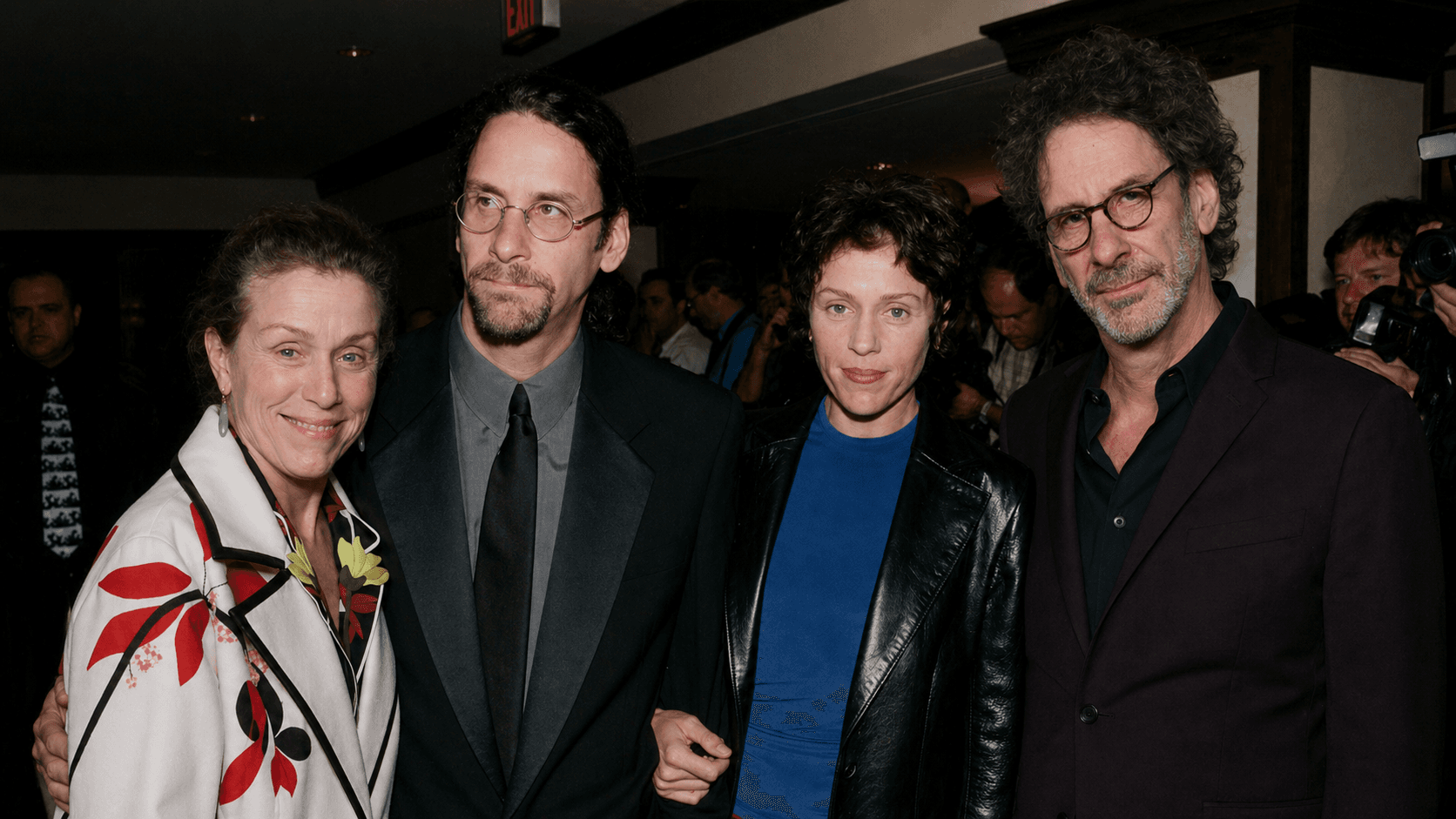 Others are more selective. Joel Coen and Frances McDormand have collaborated across decades, but never in a way that feels overused. From Fargo to later projects, their work is defined by precision and restraint, with McDormand often delivering performances that sit right at the centre of the Coens’ distinct storytelling voice.
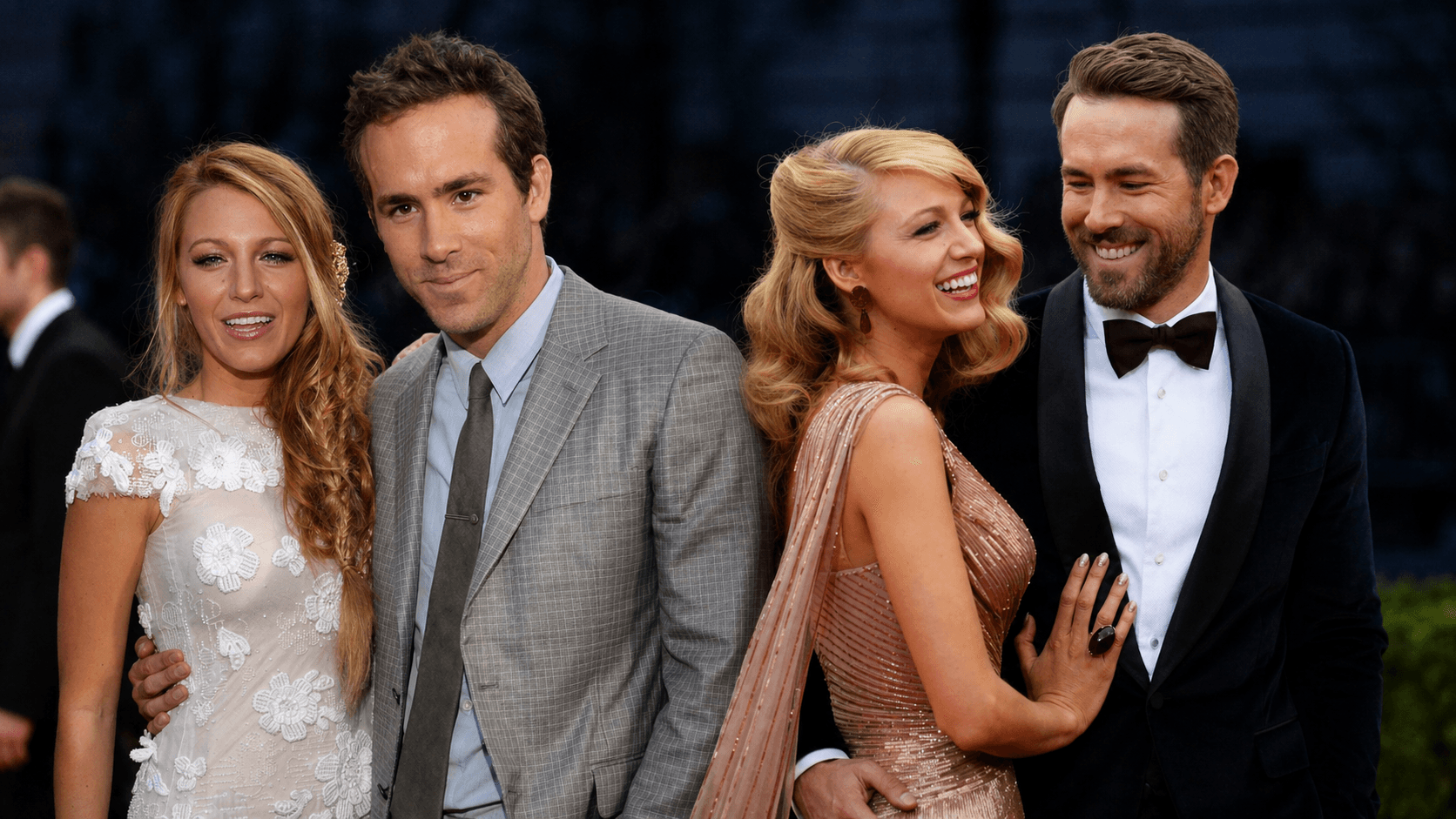 And sometimes, collaboration is the beginning of something rather than the result of it. Ryan Reynolds and Blake Lively met on Green Lantern, a film that didn’t quite deliver creatively but sparked a partnership that has since extended into creative influence behind the scenes.
Which brings it back to Pfeiffer and Kelley. This isn’t a couple trying to prove they can work together. It’s two individuals, already at the top of their respective crafts, choosing the right moment to collaborate. That’s what makes it interesting. Not the novelty, but the intent. And if history tells us anything, it’s that when the balance is right, these partnerships don’t just work, they create something that feels just a little more real than everything else around it.
Jim Irving
Author