Michael: Whose Story Is It, Really?
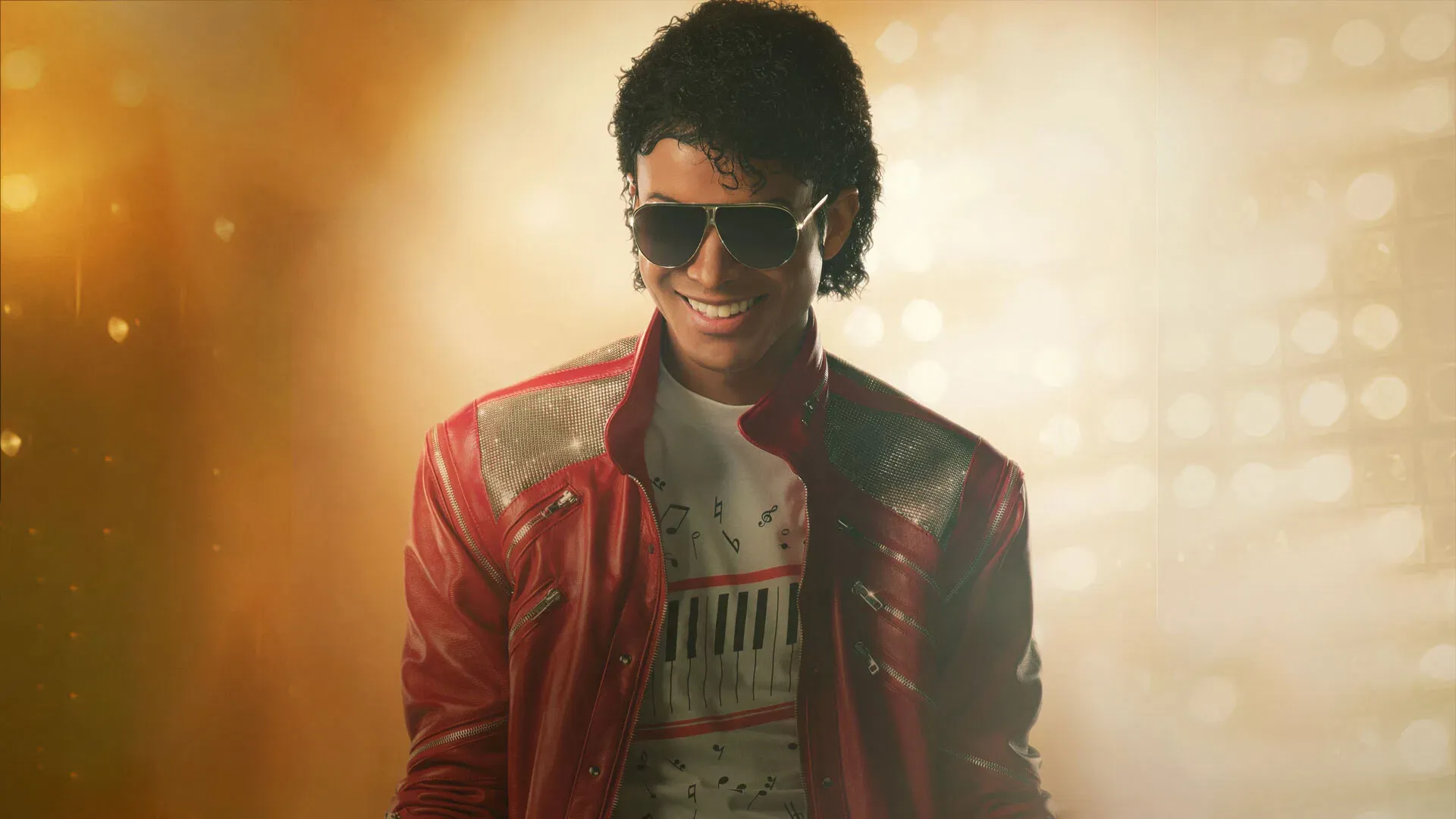
The biopic Michael, charting the life of Michael Jackson, was always going to carry weight. You don’t tell the story of one of the most famous figures in modern culture without scrutiny. But as the film edges closer to release, the conversation has shifted from anticipation to something far more uncomfortable. This is no longer just about what the film includes. It is increasingly about what it leaves out, and who gets to decide.
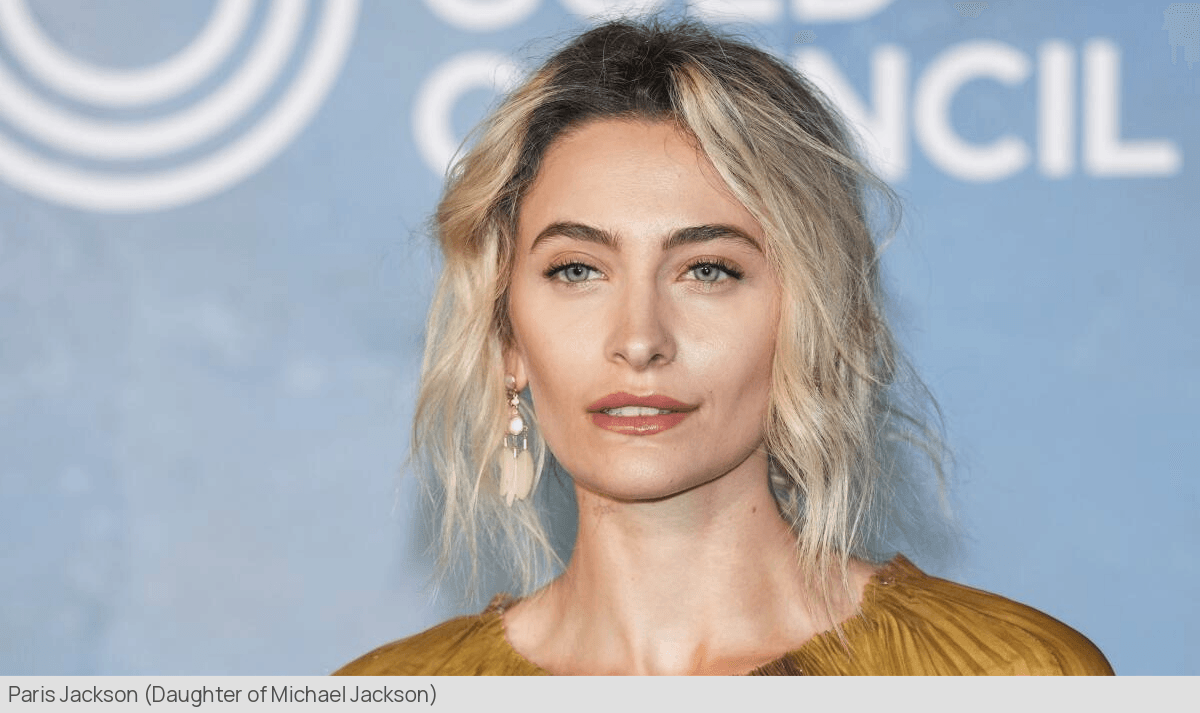 That tension has been brought sharply into focus by Paris Jackson, the singer, actor, and daughter of Michael Jackson. In a series of candid comments, she made it clear she had “zero per cent involvement” in the film, directly contradicting earlier suggestions from co-star Colman Domingo that she had been supportive and engaged with the production. The contrast could not be more striking. Publicly, there was a sense of family alignment. Privately, it tells a very different story.
Paris did read an early draft of the script. She gave notes. And then she walked away.
Her reasoning cuts to the heart of the issue. She described elements of the film as “dishonest” and said that when those concerns were not addressed, she chose to step back entirely. “Not my monkeys, not my circus,” she wrote, in a line that feels as definitive as it is revealing. There is no ambiguity here. This is not quiet distance. This is active disassociation.
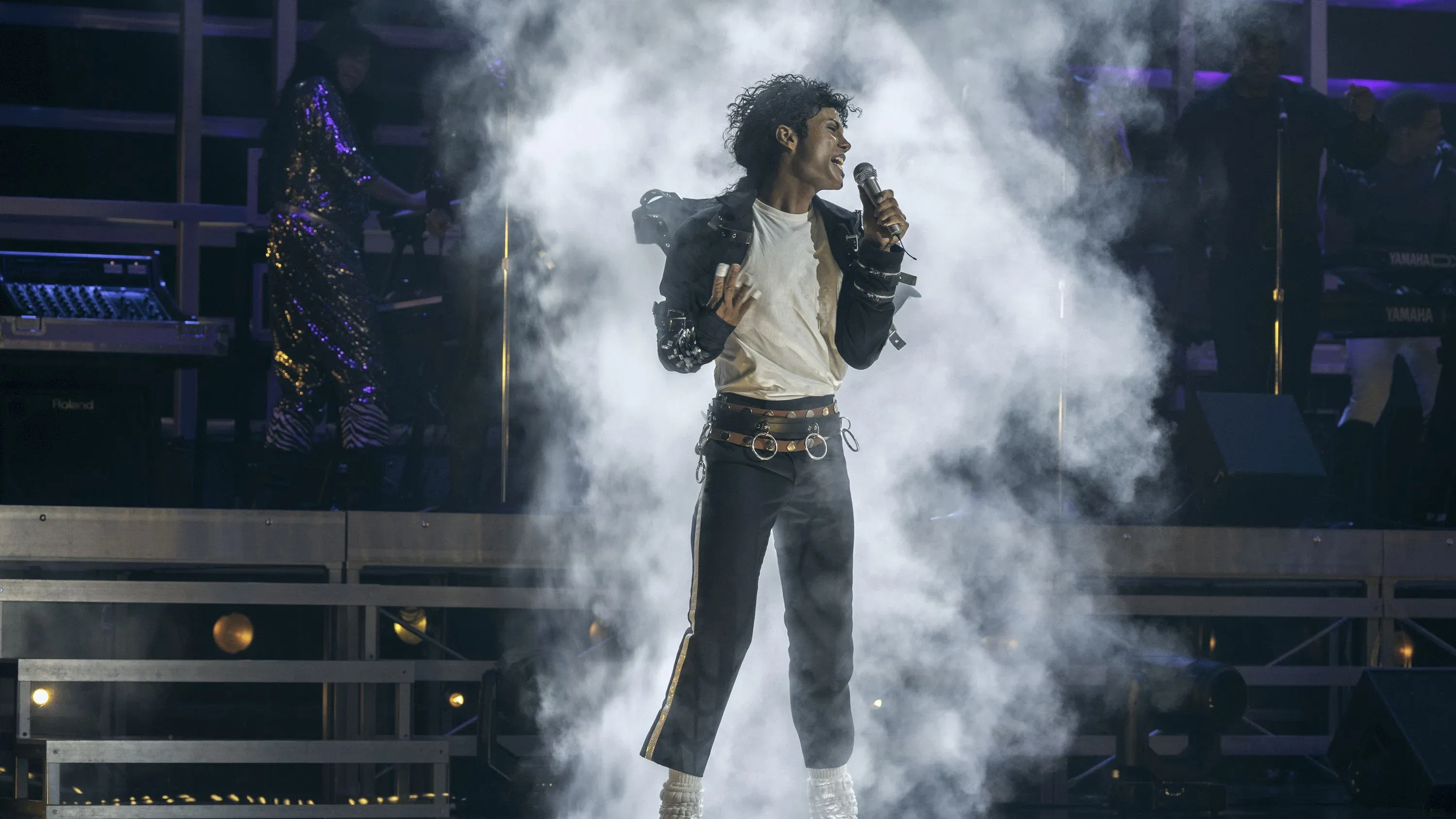 More broadly, she criticised what she sees as a familiar Hollywood pattern. Biopics that are “sugar-coated,” narratives that are “controlled,” and, most strikingly, stories that include “full-blown lies.” It is a sweeping critique, but one that lands with particular force given her proximity to the truth of this story. When someone that close to the subject questions the integrity of the narrative, it is hard not to pay attention.
And yet, the film is not operating in a vacuum. It has been developed in collaboration with the Michael Jackson Estate, which inevitably shapes the lens through which the story is told. Estate involvement brings access, scale, and legitimacy. It also brings a degree of control that can make complete objectivity almost impossible.
There are already signs of that tension playing out behind the scenes. Reports have suggested that parts of the film required rewrites and reshoots due to legal sensitivities around specific allegations. While those claims have been publicly downplayed, the very existence of that conversation reinforces the central question hovering over this project.
How much of the truth makes it to screen?
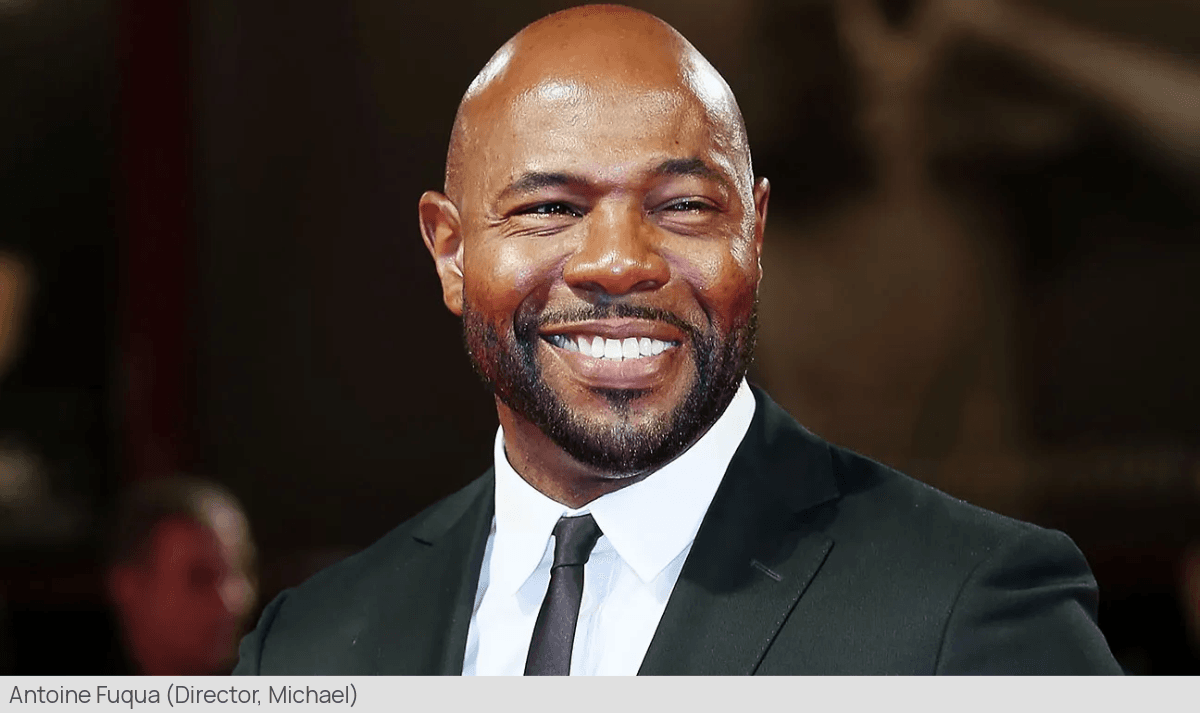 Director Antoine Fuqua and lead actor Jaafar Jackson are attempting to bring one of the most complex lives in entertainment history to the screen. From the rise of the Jackson 5 to global superstardom, the material is undeniably powerful. But power alone is not enough. Perspective matters.
What makes Michael so compelling right now is not just the story it aims to tell, but the debate surrounding it. A film shaped by an estate. A daughter stepping away from it. A narrative already being questioned before a single audience has seen it.
Because the real intrigue here is not whether Michael will be a good film.
It is whether it will be an honest one.
Jim Irving
Author