Paramount vs Netflix: The $111 Billion Hollywood Showdown
Hollywood doesn’t do quiet. It does drama. And this week, the boardroom delivered a blockbuster worthy of the big screen.
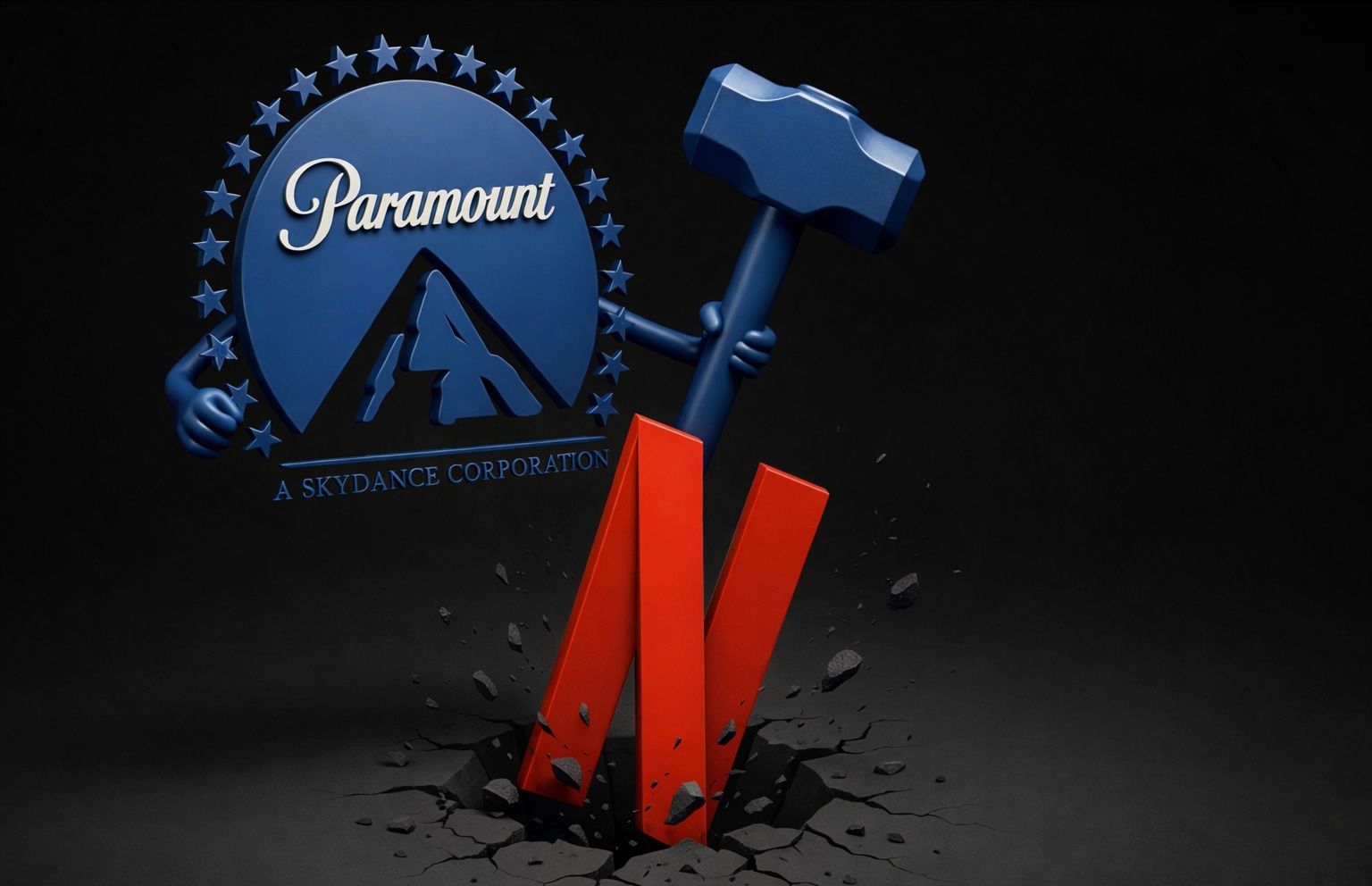
In a move that stunned the industry, Netflix walked away from its nearly $83 billion agreement to acquire most of Warner Bros. Discovery, clearing the path for Paramount Skydance to step in with a $111 billion all-cash bid for the entire company. Not just the studio. Not just HBO. The whole portfolio, including the cable networks. It’s the kind of twist that reminds you the real drama in Hollywood often happens off screen.
Back in December, Netflix had secured a deal valued at $82.7 billion, offering $27.75 a share for Warner Bros. and HBO Max, excluding the cable channels. But when Paramount returned with a $31-a-share offer, valuing WBD at roughly $111 billion, the board declared it a superior proposal. Netflix had until March 4 to respond with a counter. Instead, co-CEOs Ted Sarandos and Greg Peters chose discipline over escalation, announcing that matching the higher price was “no longer financially attractive.”
Netflix was clear: the deal was a “nice to have” at the right price, not a “must have” at any cost. The company insisted its business remains “healthy, strong and growing organically,” with plans to invest approximately $20 billion in films and series this year while resuming its share repurchase programme. It was a swift, decisive exit that caught many in the industry off guard, especially given that Sarandos had been in Washington earlier that same day amid intensifying regulatory discussions.
What makes this moment significant isn’t just the numbers. It’s what’s being consolidated. Warner Bros. is one of Hollywood’s foundational studios. HBO reshaped premium television. Together under Warner Bros. Discovery, they represent decades of cultural influence and storytelling muscle. Now they are set to be absorbed into another legacy powerhouse.
Paramount’s offer includes WBD’s substantial cable portfolio, CNN, TNT, TBS, Cartoon Network, Discovery Channel, Animal Planet, Food Network and HGTV assets that had previously been earmarked for a potential spin-off into a separate company called Discovery Global. That spin-off now appears unlikely. Instead, those networks will presumably be folded into Paramount’s existing linear group, overseen by George Cheeks, who also runs CBS.
The regulatory shadow loomed large over Netflix’s ambitions. The Justice Department had initiated its toughest form of antitrust review, examining whether a Netflix-WBD combination would grant the streamer monopoly power in streaming and production. The review process was expected to be long and politically charged. Paramount’s CEO David Ellison, whose father Larry Ellison is financing most of the all-cash bid, reportedly leaned into political relationships during the process, prompting criticism from Senator Elizabeth Warren, who labelled the merger an “antitrust disaster” that could threaten higher prices and fewer choices for American families.
For viewers, this isn’t just corporate manoeuvring. Consolidation shapes what gets made, how it’s distributed and how much it costs to access it. Paramount says the deal will create “tremendous value for shareholders” and generate excitement for audiences for years to come. Netflix says it will continue investing heavily in its own slate and focus on organic growth.
The streaming wars are no longer just about who has the best shows. They are about scale, leverage and survival. One thing is certain: the platform landscape you thought you understood is shifting again. And what lands in your watchlist next may depend less on algorithms and more on boardroom strategy.
Jim Irving
Author