Practical Magic: From Flop to Cult Classic
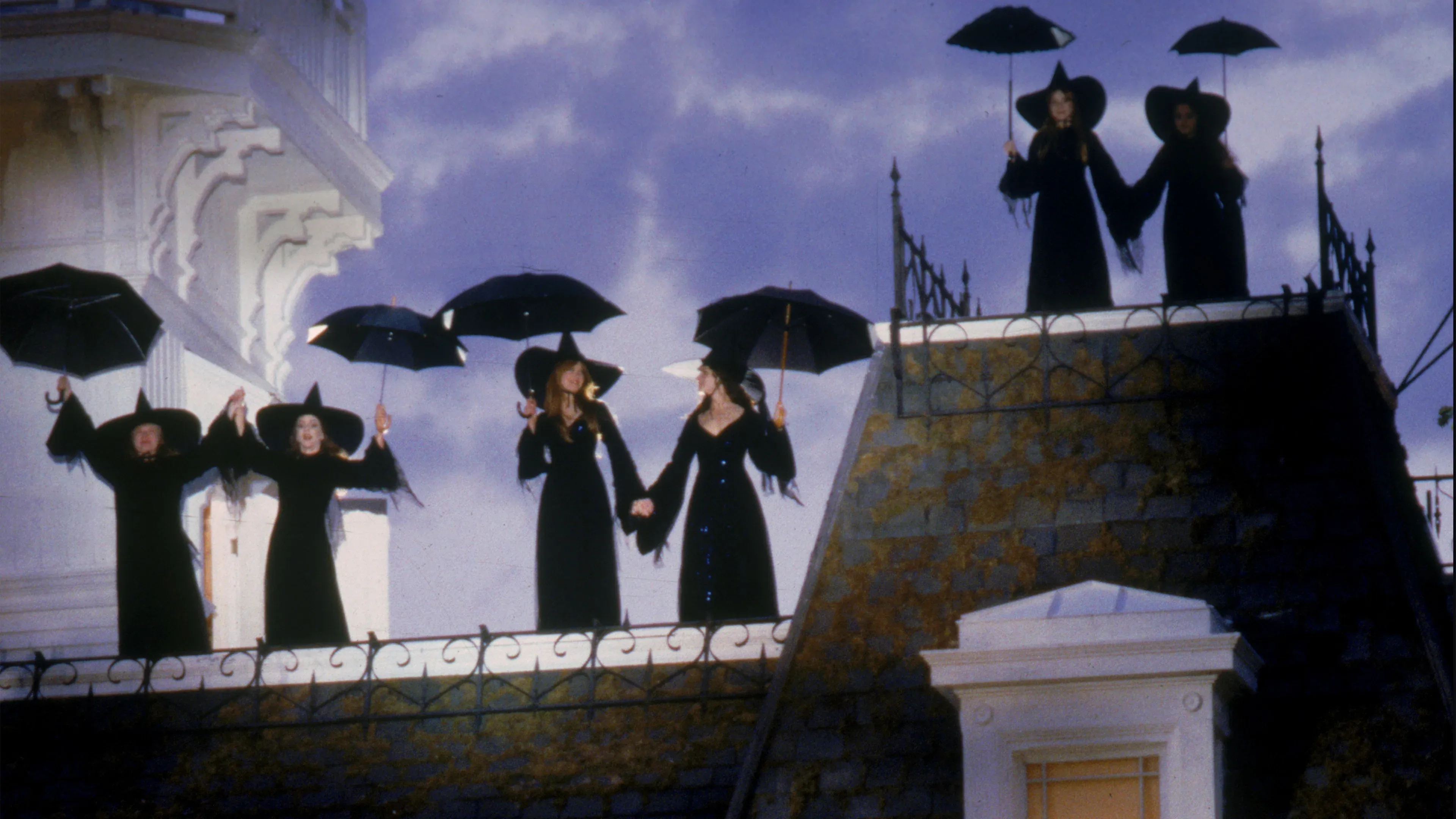
Hollywood loves an overnight success story. This isn’t one of them.
When Practical Magic arrived in cinemas in 1998, expectations were fairly high. Sandra Bullock was one of Hollywood’s biggest stars, Nicole Kidman was rapidly becoming one, and the idea of the two of them playing witchy sisters in a romantic supernatural comedy sounded like exactly the sort of thing audiences might fall in love with.
They didn’t. At least, not immediately.
The film received poor reviews, struggled to turn its sizeable budget into much of a profit and quietly disappeared from cinemas. Bullock has since admitted that after its release, things became rather silent. “It was crickets,” she recalled of the reaction to the movie.
Twenty-eight years later, nobody is staying quiet.
Practical Magic has somehow transformed itself from late-90s disappointment into genuine cult favourite, watched and rewatched by generations who discovered it on television, DVD and eventually streaming. Now Bullock and Kidman are returning as Sally and Gillian Owens for Practical Magic 2, alongside Stockard Channing and Dianne Wiest, proving that occasionally a film’s opening weekend tells you almost nothing about how much people will eventually love it.
And Practical Magic is a particularly interesting example because it was always a slightly strange movie.
It is part romantic comedy, part family drama, part fantasy, part murder story and part celebration of female friendship, with a little domestic abuse, resurrection and tequila thrown in for good measure. If you tried pitching it in a studio meeting today, somebody would probably spend 20 minutes asking what genre it actually was.
Maybe that was the problem in 1998. Or perhaps it simply needed time. The movie’s real strength was never its plot. It was the world it created. The beautiful Victorian house. The midnight margaritas. The eccentric aunts. The idea of generations of Owens women bound together by love, magic and a very inconvenient family curse. Above all, it was the relationship between Bullock and Kidman that gave the film its heart.
Those are precisely the things that tend to grow stronger through repeat viewing. A movie becomes associated with sleepovers, autumn evenings, Halloween, friendships and memories. People introduce it to their daughters. Quotes become memes. Scenes circulate online. Eventually the film that critics once dismissed becomes something people genuinely care about.
That is why the sequel suddenly makes sense. Bullock and Kidman are no longer simply returning to play younger versions of themselves. Nearly three decades have passed for Sally and Gillian too. The Owens sisters have lived, aged and presumably discovered that family curses don’t become any less complicated when everyone gets older.
There is something rather satisfying about the whole thing. Hollywood usually decides whether a film succeeded within a few weeks. Box-office numbers arrive, reviews are counted and everyone moves on to the next release.
Audiences have much longer memories. Sometimes a movie finds its people immediately. Sometimes it takes 28 years. Practical Magic may have lost the first round. But it appears the Owens sisters had one final spell left after all.
Jim Irving
Author