Red or Black: Hollywood's Biggest Bets
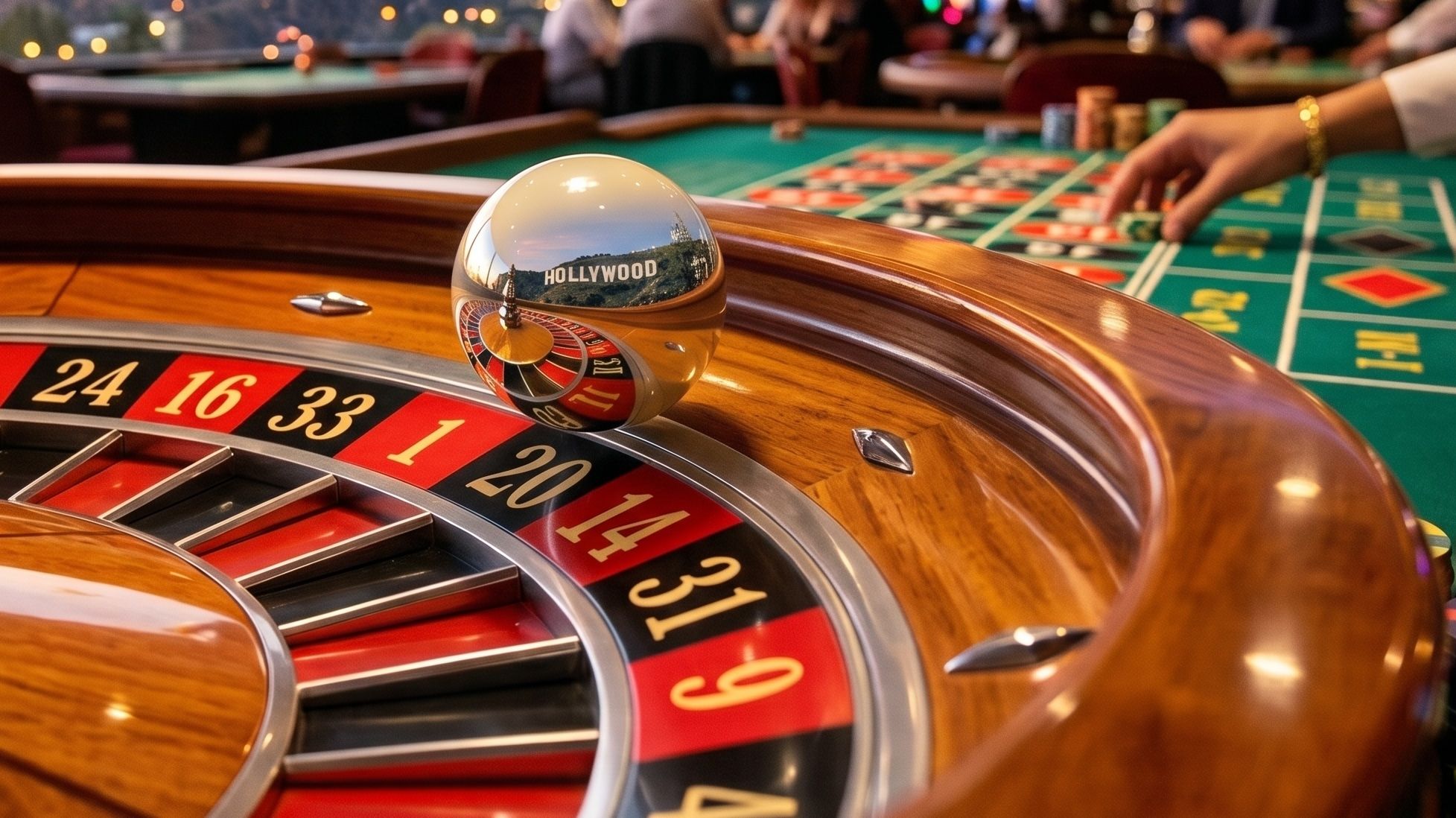
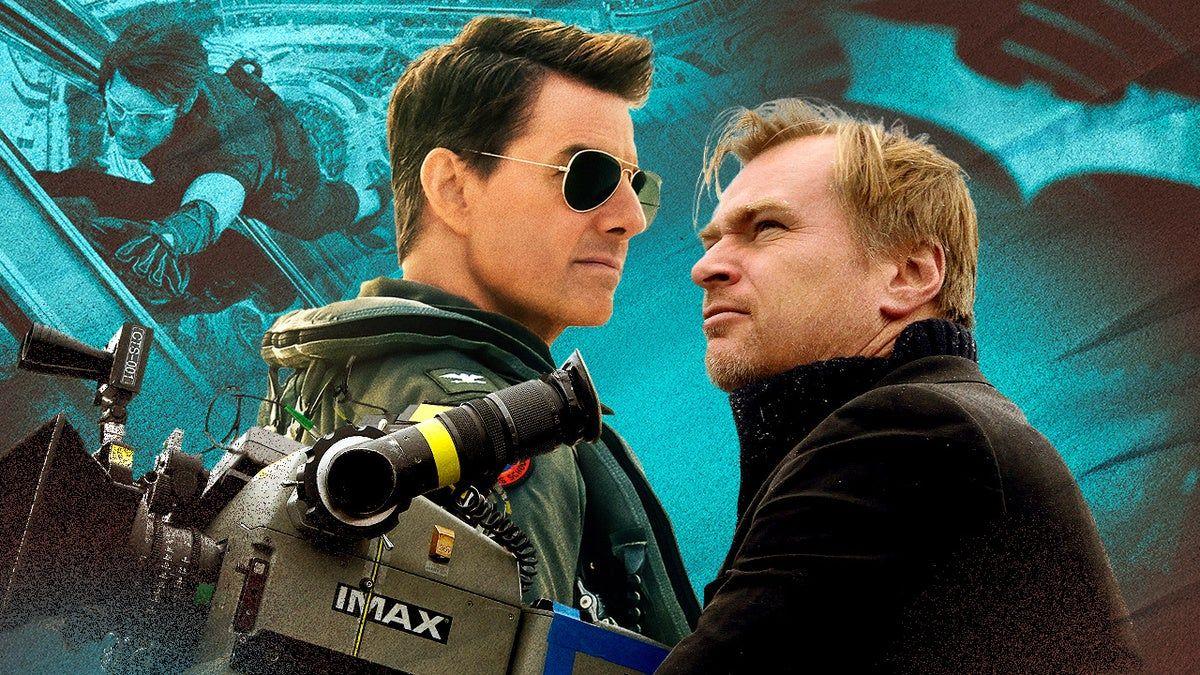
Christopher Nolan's new film, The Odyssey, feels less like a film announcement and more like a roulette wheel spinning. Red or black. Hit or miss. Glory or disaster.
That is the thrill of the big cinematic gamble. Not the careful sequel. Not the tidy brand extension. Not the content machine churning out something “safe” for the algorithm. We are talking about the old-school, studio-sweating, director-striding-into-the-casino kind of bet. The kind where someone slides the chips across the table and says: all of it.
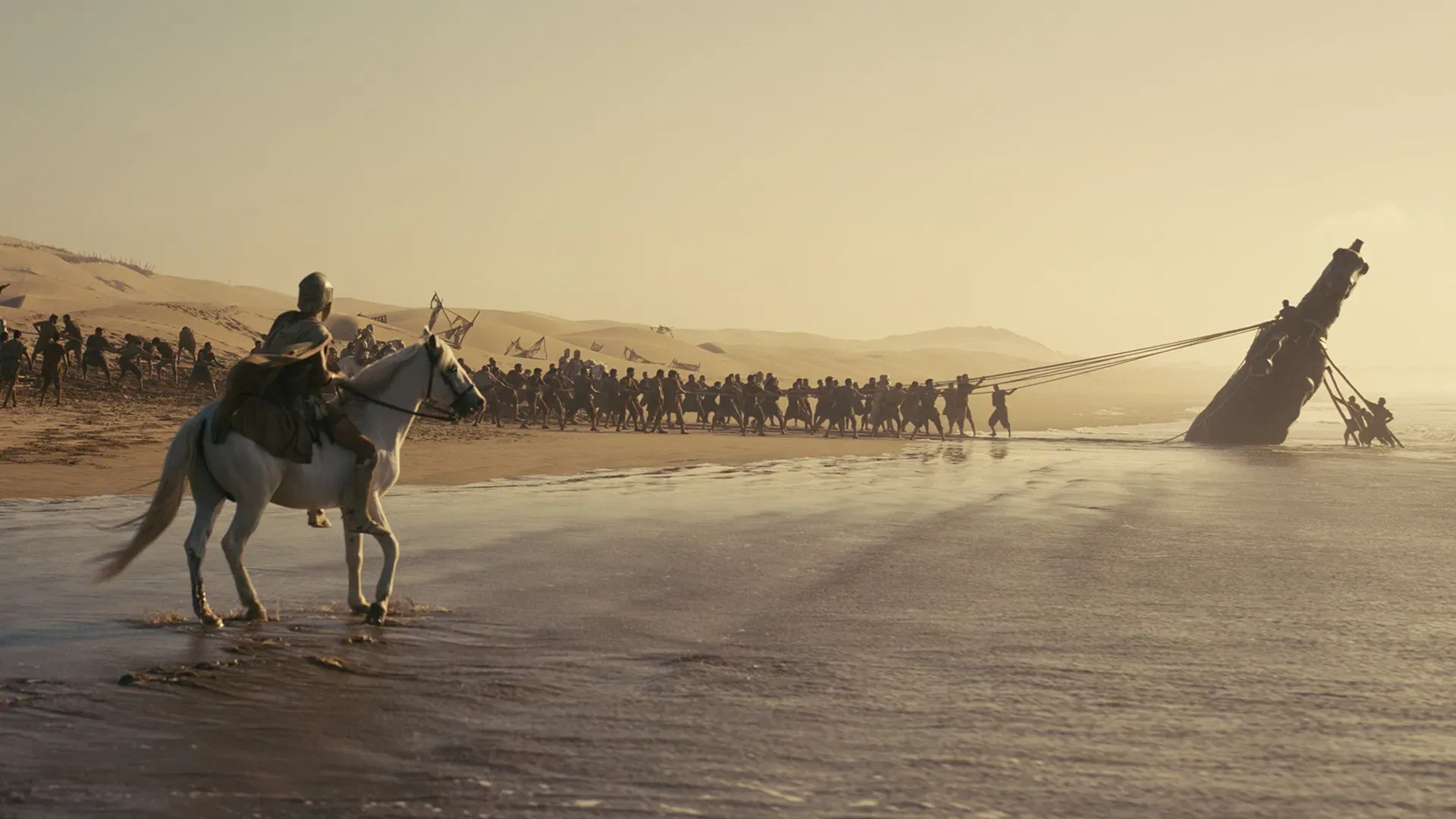 That alone feels enormous. The Odyssey is one of the oldest adventure stories ever told: war, gods, monsters, storms, temptation, loyalty, grief and one stubborn man trying to get home. It is not just a journey. It is the original epic. The ancient blueprint for cinema before cinema even existed. So when Nolan brings that story to IMAX, it immediately joins a much bigger tradition: films that bet the house. Some walk away with the jackpot. Some leave the studio looking like it has spent the night face down on the casino carpet.
The film industry loves to talk about risk, but too often it means the risk of launching the fourth version of something everyone already recognises. Real risk is different. Real risk is Titanic before anyone believed in it. Real risk is Cleopatra as the budget spirals. Real risk is a director being given too much money, too much freedom and just enough madness to try to build a monument.
Here are five giant bets that hit or missed.
Titanic: Jackpot
1997, Director: James Cameron
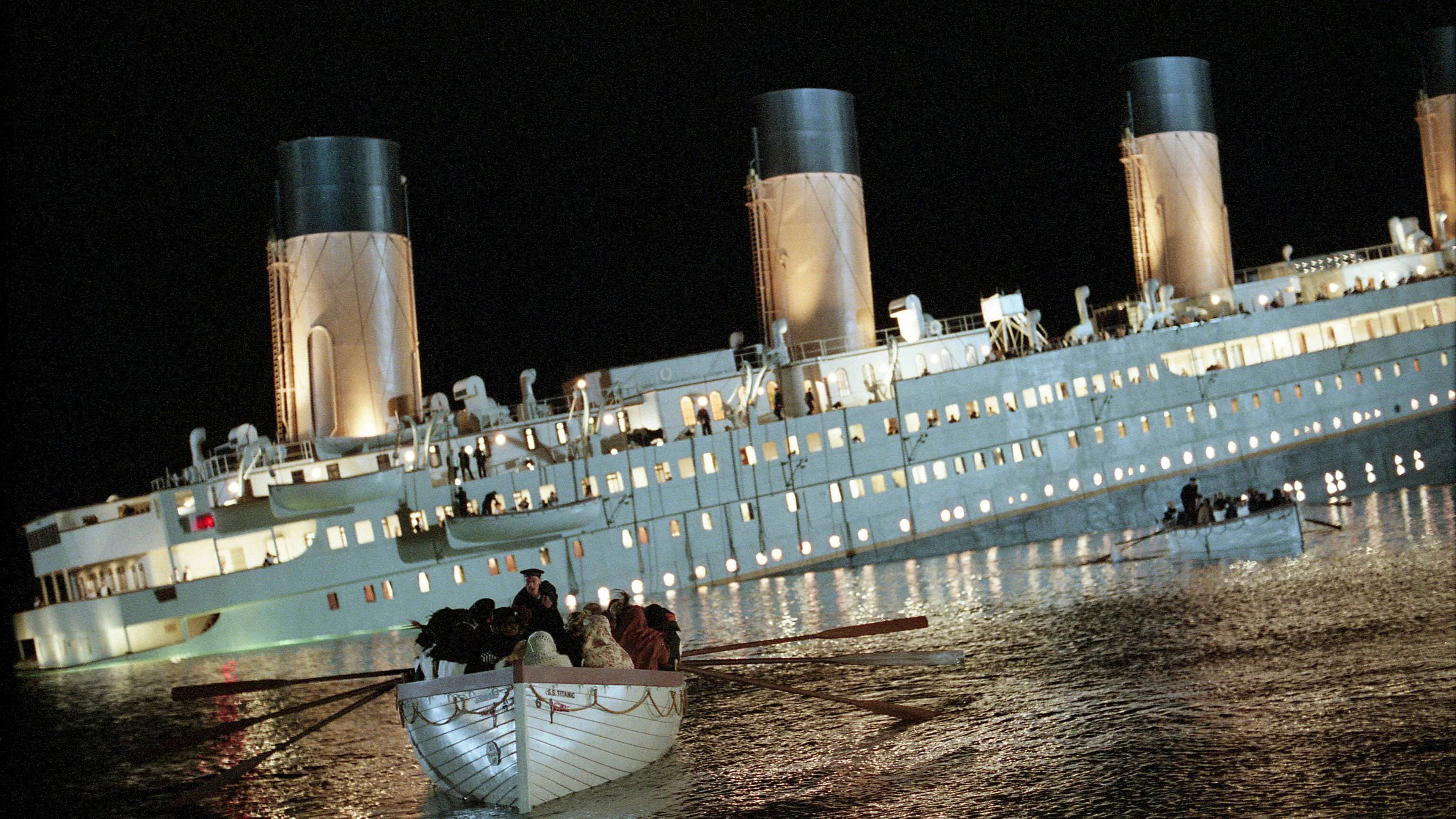 Before it became one of the biggest films of all time, Titanic looked like the film could be it's own disaster. James Cameron was making a three-hour period romance about a disaster where everyone already knew the ending. The budget was huge. The industry gossip was brutal. The knives were out before the ship left port.
Then the audience arrived. And arrived again. And kept arriving until the supposed disaster became a global phenomenon. The gamble paid off because Cameron understood something simple and rare: spectacle only really works when the emotion is just as big. The ship was massive, but so were the stakes. Love, class, death, memory, myth. Titanic was not just a film. It became a shared event.
Ben-Hur: Jackpot
1959, Director: William Wyler
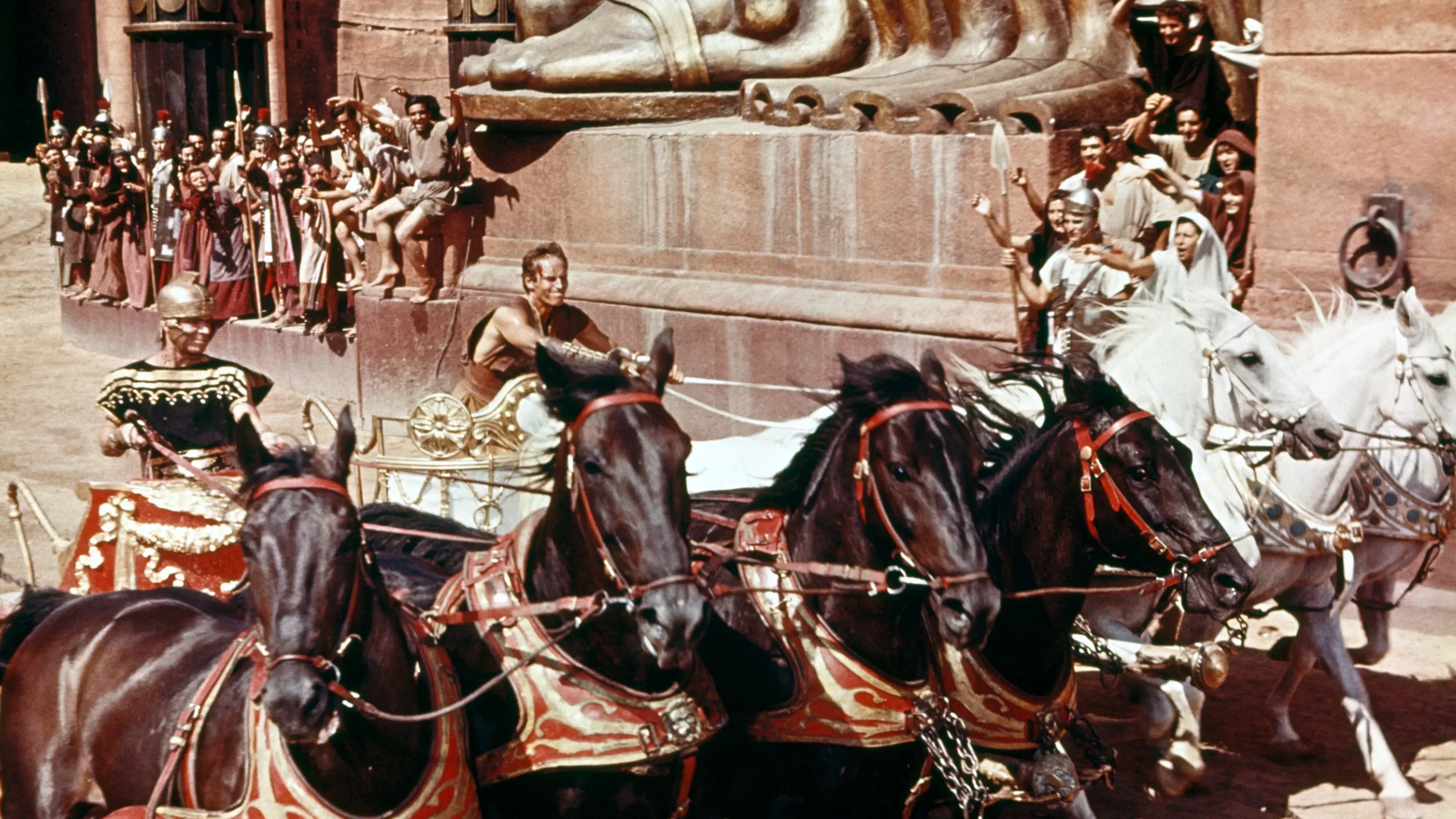 Old Hollywood knew how to push its chips into the middle of the table, and Ben-Hur remains one of the great examples. Massive sets. Thousands of extras. Religious grandeur. Political sweep. A chariot race that still makes modern action look timid.
What makes Ben-Hur so relevant now is its complete lack of embarrassment about scale. It wanted to be huge. It wanted to be serious. It wanted people to sit in the dark and feel they had witnessed something bigger than normal life. That kind of confidence is rare now, but when it works, it reminds everyone what the big screen is for. This was not a cautious bet. This was MGM pushing hard on spectacle and being rewarded.
Cleopatra: The Win That Still Lost
1963, Director: Joseph L. Mankiewicz
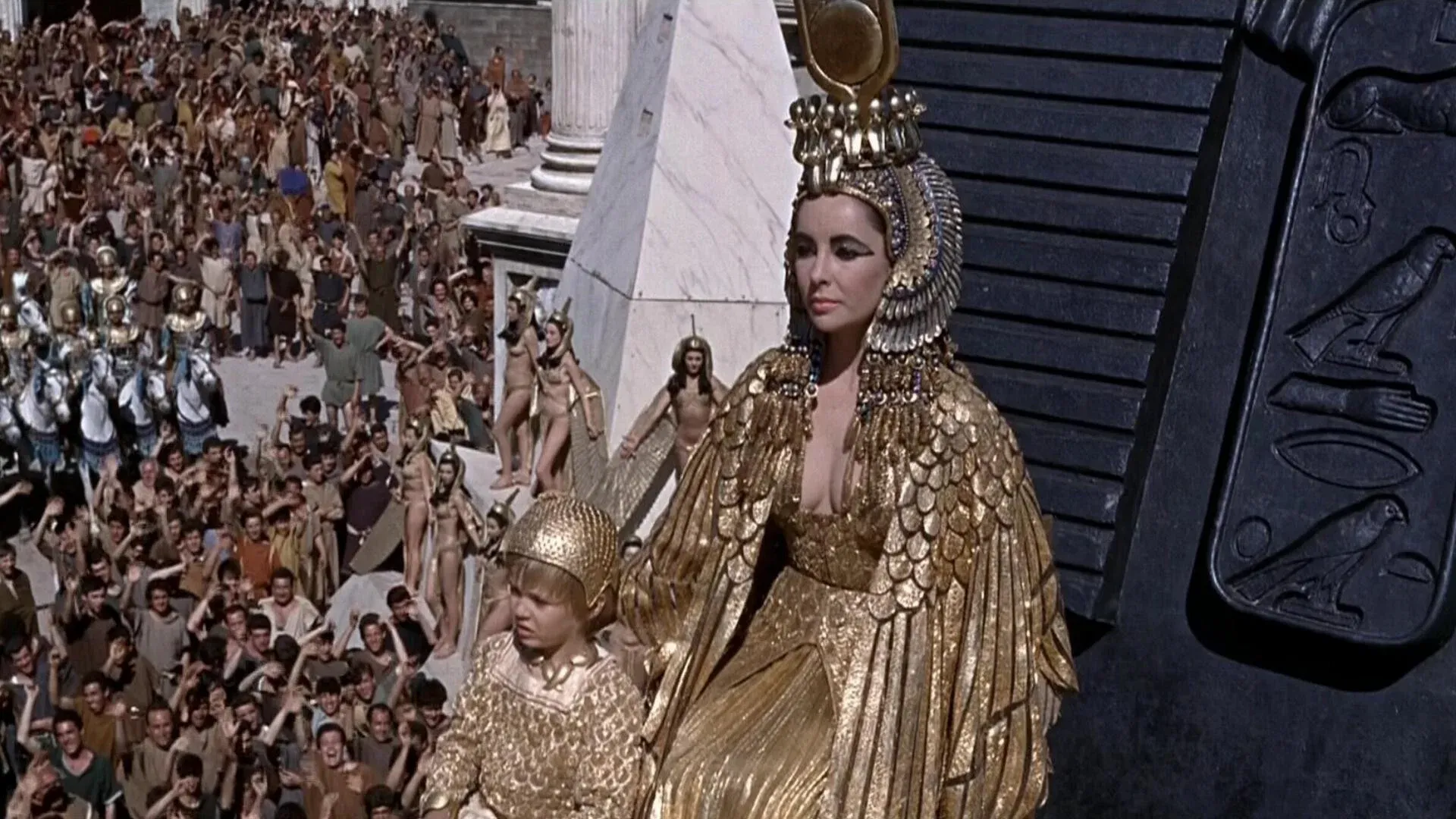 Then there's Cleopatra, one of Hollywood’s strangest casino stories. It made money at the box office, but the bet had become so wildly expensive that even strong takings could not save it from becoming a financial warning sign. Elizabeth Taylor. Richard Burton. Giant sets. Production chaos. Spiralling costs. A film so big that the making of it almost became more famous than the movie itself. This is the danger of betting the house: sometimes the jackpot is not big enough.
Cleopatra is fascinating because it was not ignored. Audiences came. The film had scale, glamour and spectacle. But the machinery behind it had grown too heavy. The chips on the table were simply too large. That makes it one of cinema’s great red-or-black cautionary tales. You can win the spin and still lose the night.
Heaven’s Gate: Bust
1980, Director: Michael Cimino
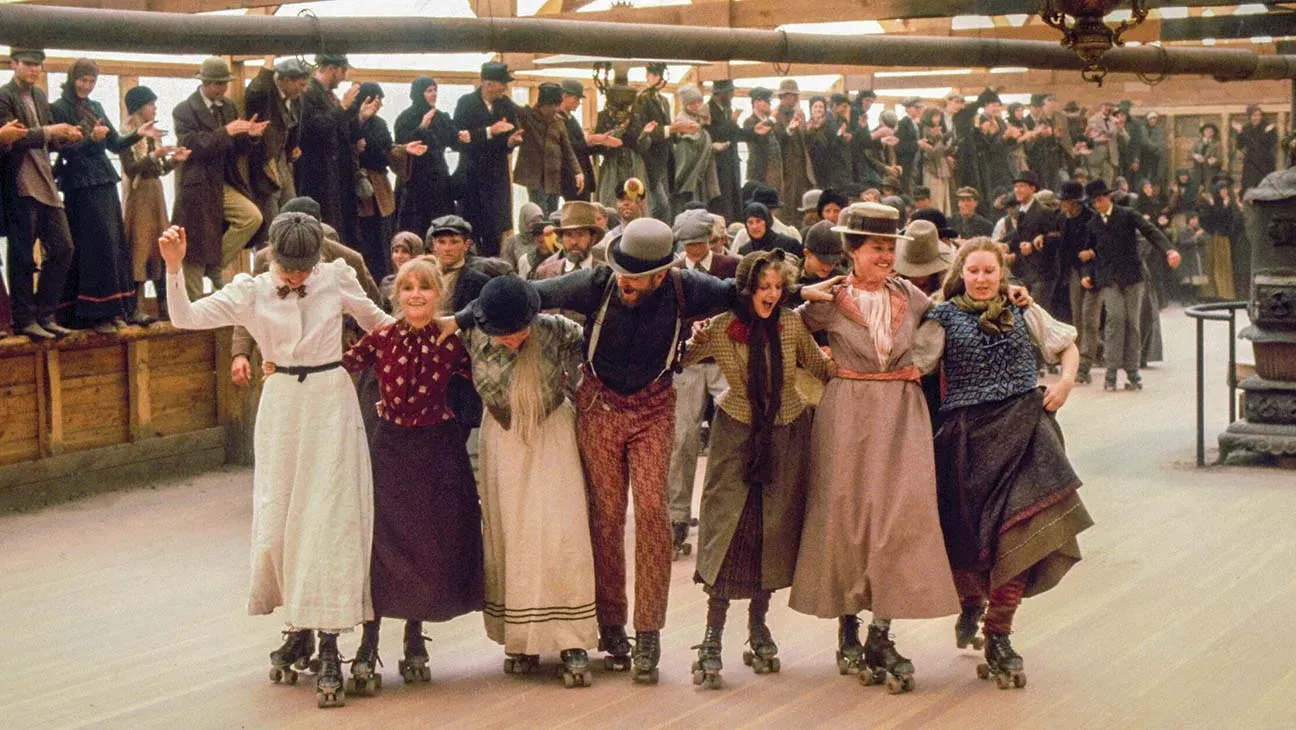 If Cleopatra is the warning, Heaven’s Gate is the nightmare. Michael Cimino followed the Oscar-winning success of The Deer Hunter with a sprawling Western so expensive, so troubled and so commercially disastrous that it became shorthand for auteur excess. The story of the film nearly swallowed the film itself: endless takes, huge delays, ballooning costs, studio panic, critical savaging and a box-office collapse.
The house did not just win. The house turned the lights off. And yet, this is where the story gets interesting. Over time, Heaven’s Gate has been partly reappraised. Some now see it as flawed, overblown, even maddening — but also beautiful, ambitious and genuinely cinematic. That does not erase the disaster. It makes the disaster more interesting.
The Postman: Bust
1997, Director: Kevin Costner
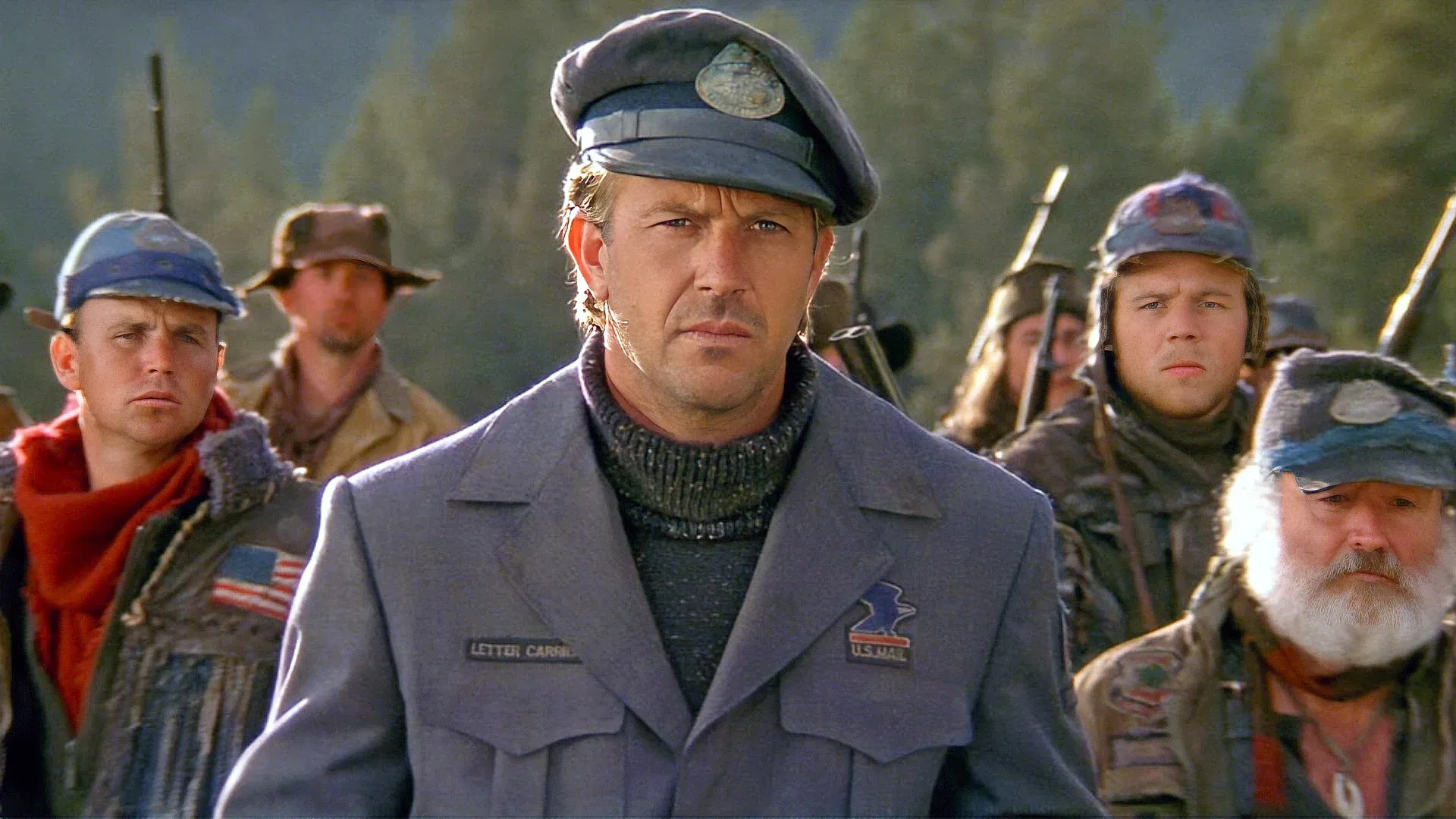 Kevin Costner’s The Postman is another spectacular miss, but a very different kind. It was not a chaotic old-Hollywood monster or a production meltdown on the scale of Heaven’s Gate. It was something almost more dangerous: deeply, painfully earnest.
A nearly three-hour post-apocalyptic epic about America rebuilding itself through hope, symbols and the postal service was always going to be a hard sell. In the wrong mood, it can look absurd. In the wrong decade, it looked completely out of step. Audiences didn't buy it. But there is something oddly admirable about the scale of the attempt. Costner had the clout to make a big, strange, sincere statement and he used it. The result missed the moment badly, but at least it had a pulse. It was not anonymous. It was not focus-grouped into nothing. It was a huge bet that landed on the wrong colour.
That is why The Odyssey feels so compelling before we have seen a single frame. Nolan is not adapting a minor property. He is taking on one of the foundational myths of Western storytelling and trying to make it a modern cinema event. That is a casino move. Not reckless exactly, because Nolan has earned enormous trust, but still dangerous. Myth can become magnificent. It can also become stiff, expensive and remote.
Cinema needs the wheel to spin. It needs the possibility of triumph and humiliation. It needs filmmakers who are willing to look ridiculous in pursuit of something extraordinary. The safe middle is where movies go to become wallpaper. For every Titanic, there has to be a Heaven’s Gate. For every Ben-Hur, a Cleopatra. For every clean win, a glorious mess. Because the big screen was never meant to be a savings account. It was built for risk. For scale. For danger. For directors walking up to the table with a story too big to ignore.
Jim Irving
Author