Spoiler Alert: Six scenes that give the game away

Some films don’t just end, they reveal themselves. One final scene, one line, one look… and suddenly everything you’ve just watched rearranges itself in your head like a cinematic Rubik’s Cube.
The Usual Suspects
1995, Director: Bryan Singer
The moment: The limp disappears.
The reveal: Verbal Kint was Keyser Söze all along.
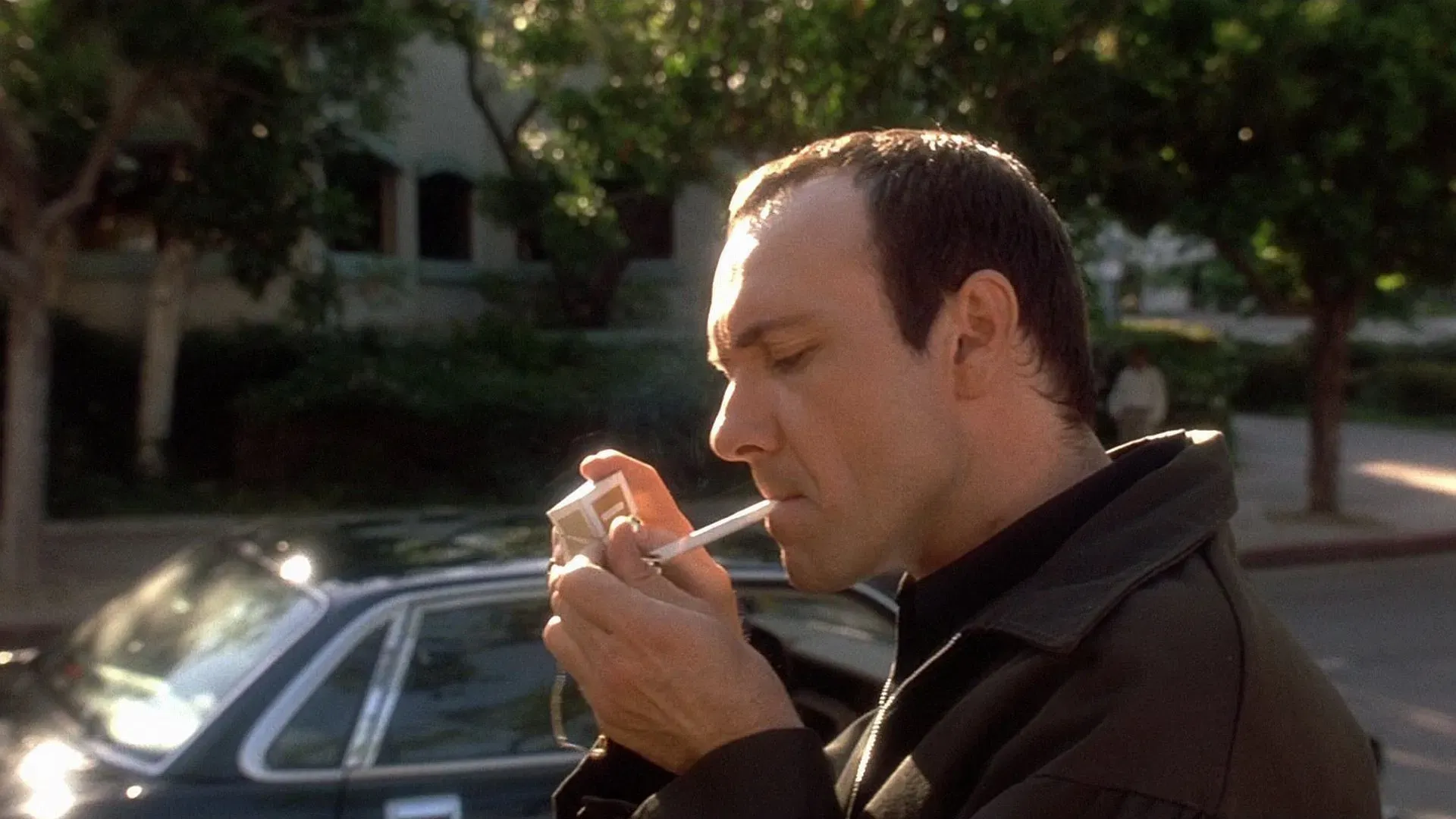 This ending doesn’t arrive, it assembles itself. As Verbal Kint leaves the police station, the camera doesn’t rush. It lets objects sit in frame just long enough for recognition to dawn: the bulletin board, the mug, the names. Details you dismissed as background dressing suddenly step forward as co-authors of the lie.
What makes this reveal endure isn’t the twist itself, it’s the accusation it levels at the audience. You weren’t fooled by brilliance. You were fooled because you wanted the story to be neat. It’s a film about myth-making, power, and the comfort of narrative. Keyser Söze doesn’t just escape the police, he escapes truth, leaving us complicit in the lie we enjoyed hearing.
The Sixth Sense
1999, Director: M. Night Shyamalan
The moment: “Why do you think you’re cold?”
The reveal: Malcolm has been dead the whole time.
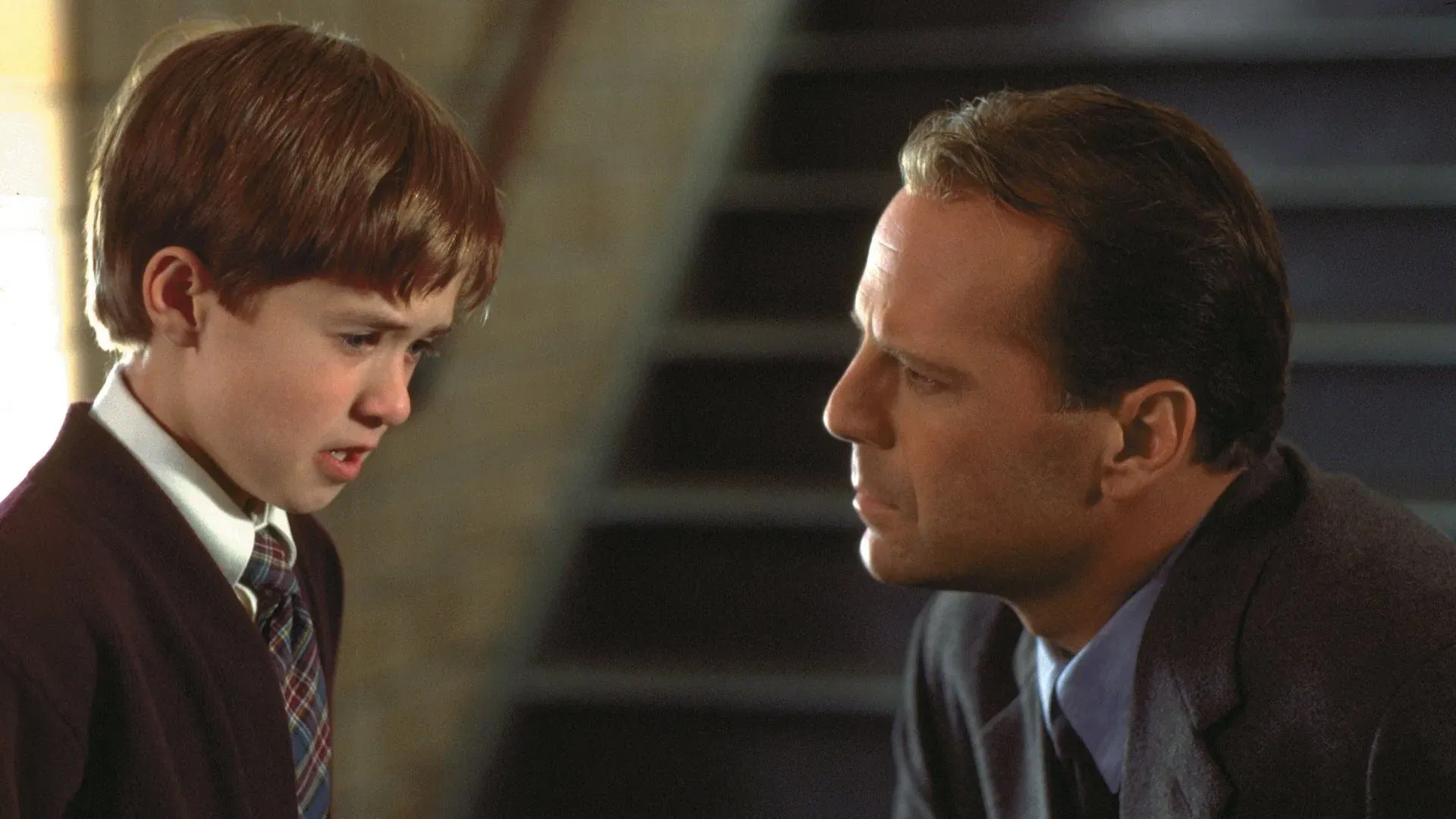 The brilliance here lies in emotional timing, not shock value. When the truth finally surfaces, the film doesn’t rush to explain itself. Instead, it rewinds quietly, gestures, silences, missed connections, allowing the audience to experience recognition rather than surprise. The reveal works because it deepens the story rather than reframing it as a trick. Malcolm’s journey doesn’t collapse; it becomes more poignant. His distance, his restraint, his sadness all retroactively honest. It’s also rare in that the final emotion isn’t amazement, but grief mixed with relief. The ending doesn’t say “you missed this.” It says “you felt this, even if you didn’t know why.”
Fight Club
1999, Director: David Fincher
The moment: The gun, the mirror, the name.
The reveal: Tyler Durden is an alter ego.
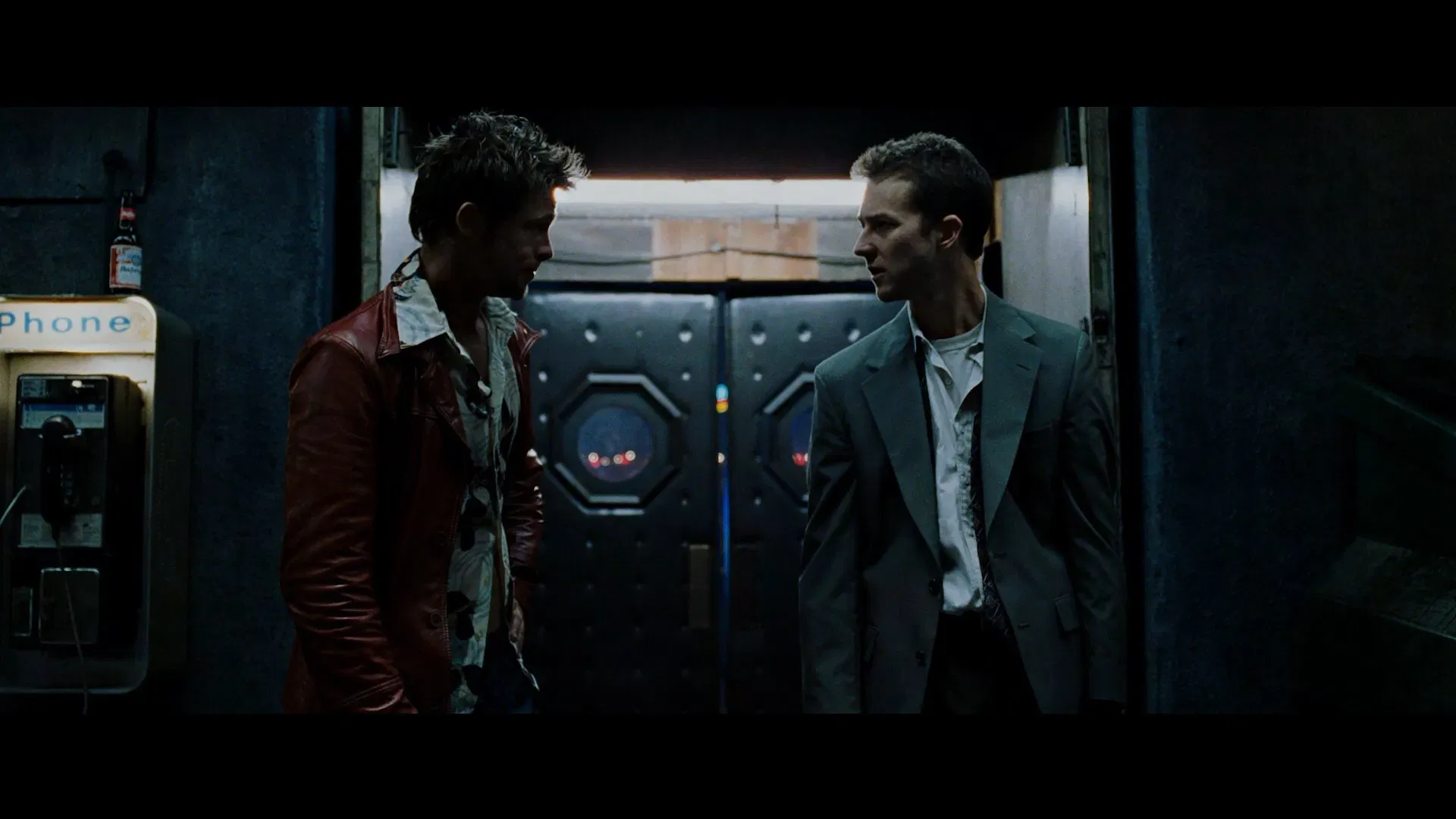 This reveal detonates because it has been arguing with you the entire time. By the end, the twist doesn’t just recontextualise the plot it reframes masculinity, consumerism, identity, and rebellion itself. Tyler isn’t just imaginary; he’s the narrator’s excuse. The fantasy that allows violence, control, and destruction to feel meaningful. What makes the ending unforgettable is its refusal to tidy things up. The truth doesn’t stop the chaos, the buildings still fall. The relationship remains unresolved. The system still collapses. The reveal isn’t a solution. It’s a diagnosis, delivered too late to prevent the damage.
Se7en
1995, Director: David Fincher
The moment: “What’s in the box?”
The reveal: John Doe completes his design.
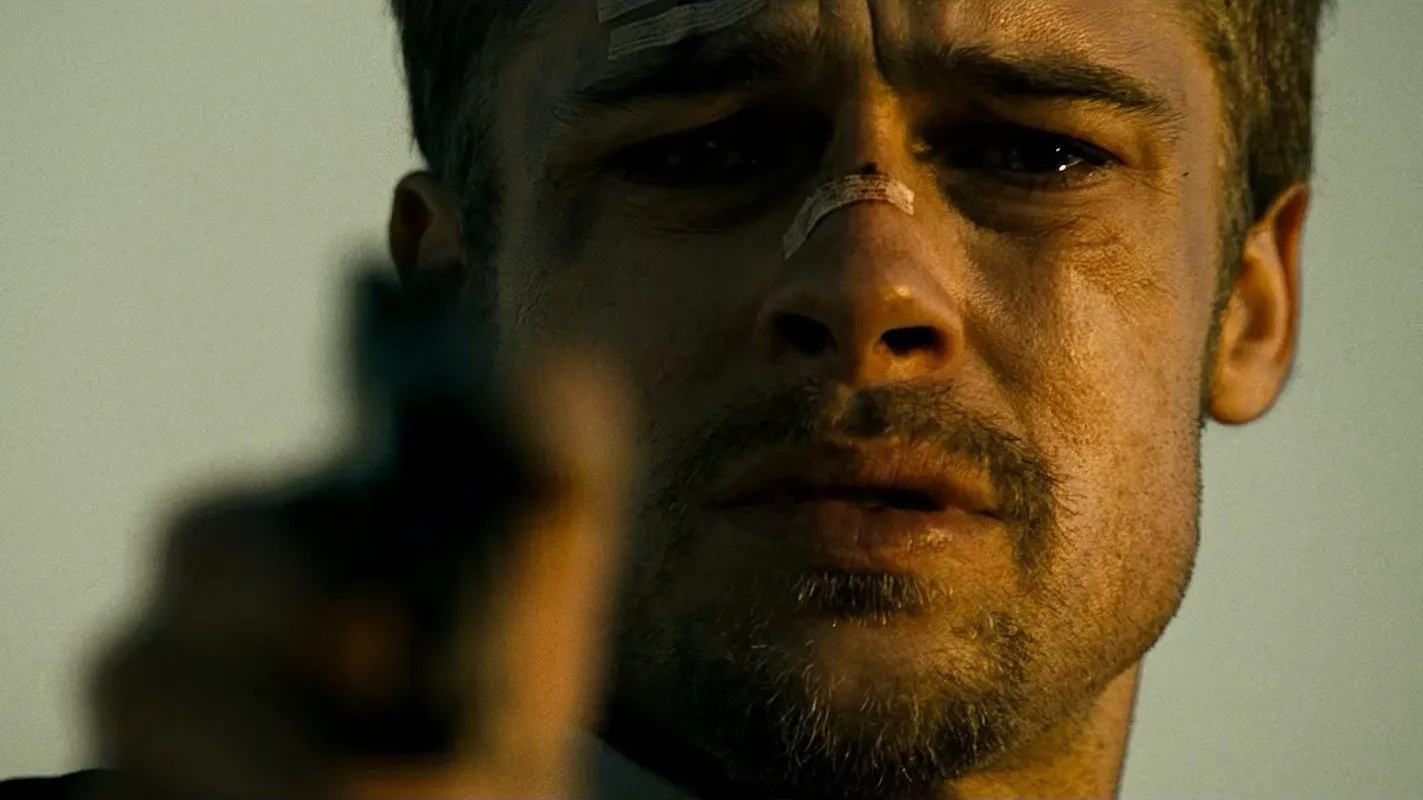 What makes this ending so powerful is its inevitability. There’s no clever reversal, no sudden information dump. The horror comes from understanding that the killer’s plan has always relied on human nature. Anger. Love. Pride. Weakness. The reveal isn’t visual, we never truly see what’s in the box. Instead, the film trusts imagination to do worse work than any image could. When Mills pulls the trigger, the film completes its thesis: justice is fragile, righteousness is exploitable, and evil doesn’t need to escape, it only needs to finish its idea. It’s not a twist ending. It’s a closed system snapping shut.
Planet of the Apes
1968, Director: Franklin J. Schaffner
The moment: The broken Statue of Liberty.
The reveal: This world was Earth all along.
 Few endings rely on a single image with such confidence. No explanation is required because none would help. The reveal doesn’t just answer a question, it invalidates hope. Escape, survival, progress, all illusions once the truth is visible. What makes it endure is how late it arrives. The audience, like Taylor, believes they are witnessing the collapse of someone else’s civilisation. The ending corrects that arrogance in seconds. It’s science fiction at its sharpest: a mirror held up at the last possible moment.
Memento
2000, Director: Christopher Nolan
The moment: He chooses the lie.
The reveal: Leonard knows and continues anyway.
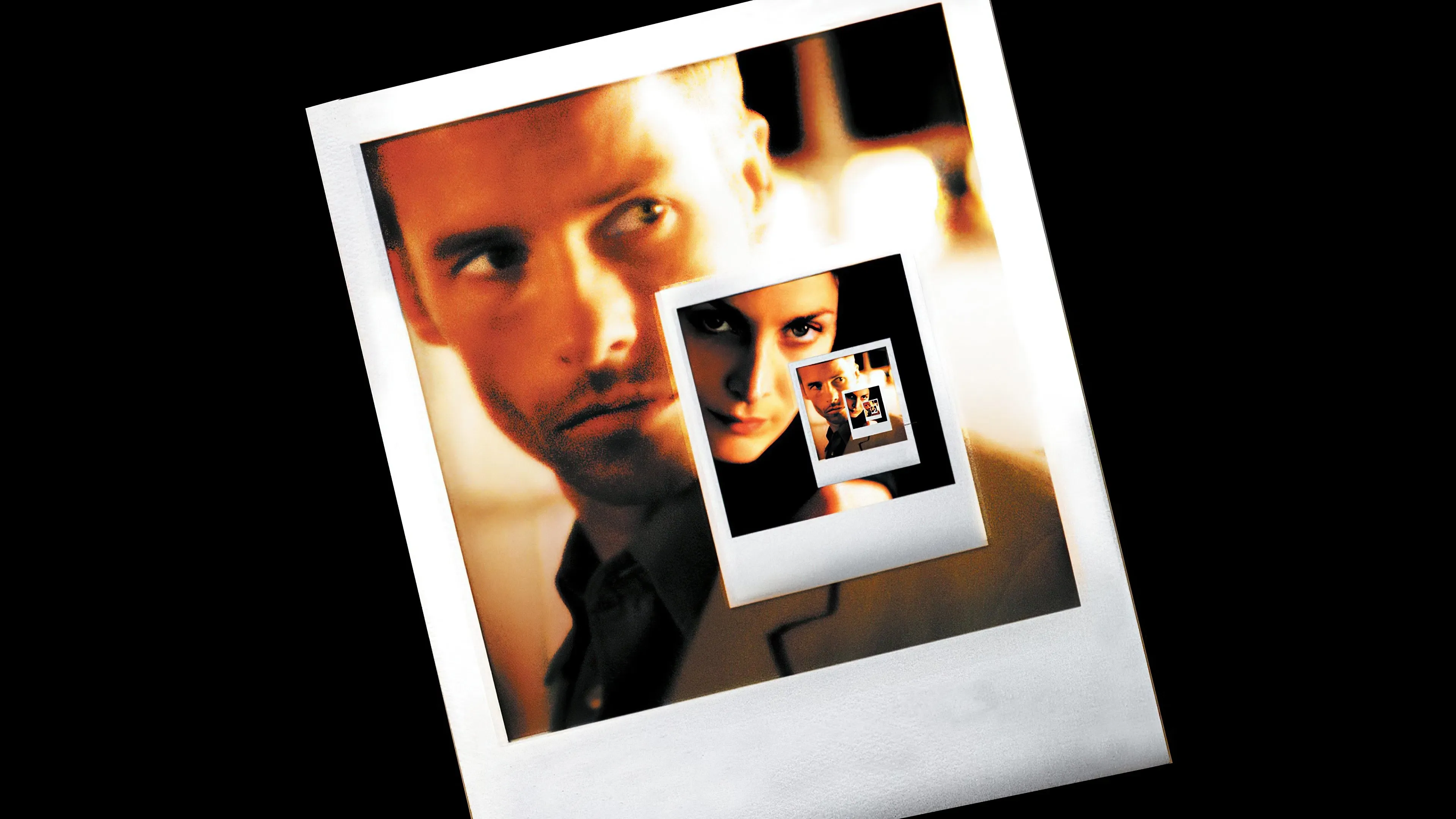 This is a reveal that lands ethically rather than narratively. The final understanding isn’t that Leonard can’t remember, it’s that he curates his forgetting. He manipulates his own system to preserve purpose, even if that purpose is false. Suddenly the structure of the film stops feeling clever and starts feeling cruel. We realise we’ve been watching someone engineer meaning out of trauma, again and again, with no possibility of resolution. The ending doesn’t snap the story into focus. It dissolves it, leaving only intention, repetition, and self-deception. You don’t finish Memento impressed. You finish it unsettled.
Jim Irving
Author