Stars Who Left Hollywood And Came Back Stronger
Leaving Hollywood is one thing. Coming back years later, on your own terms, is something else entirely.
The industry moves fast. Audiences move faster. So when a genuinely A-list name steps away, the assumption is often that the story is over. And yet, every so often, someone returns and reminds us that careers don’t always fade, they evolve.
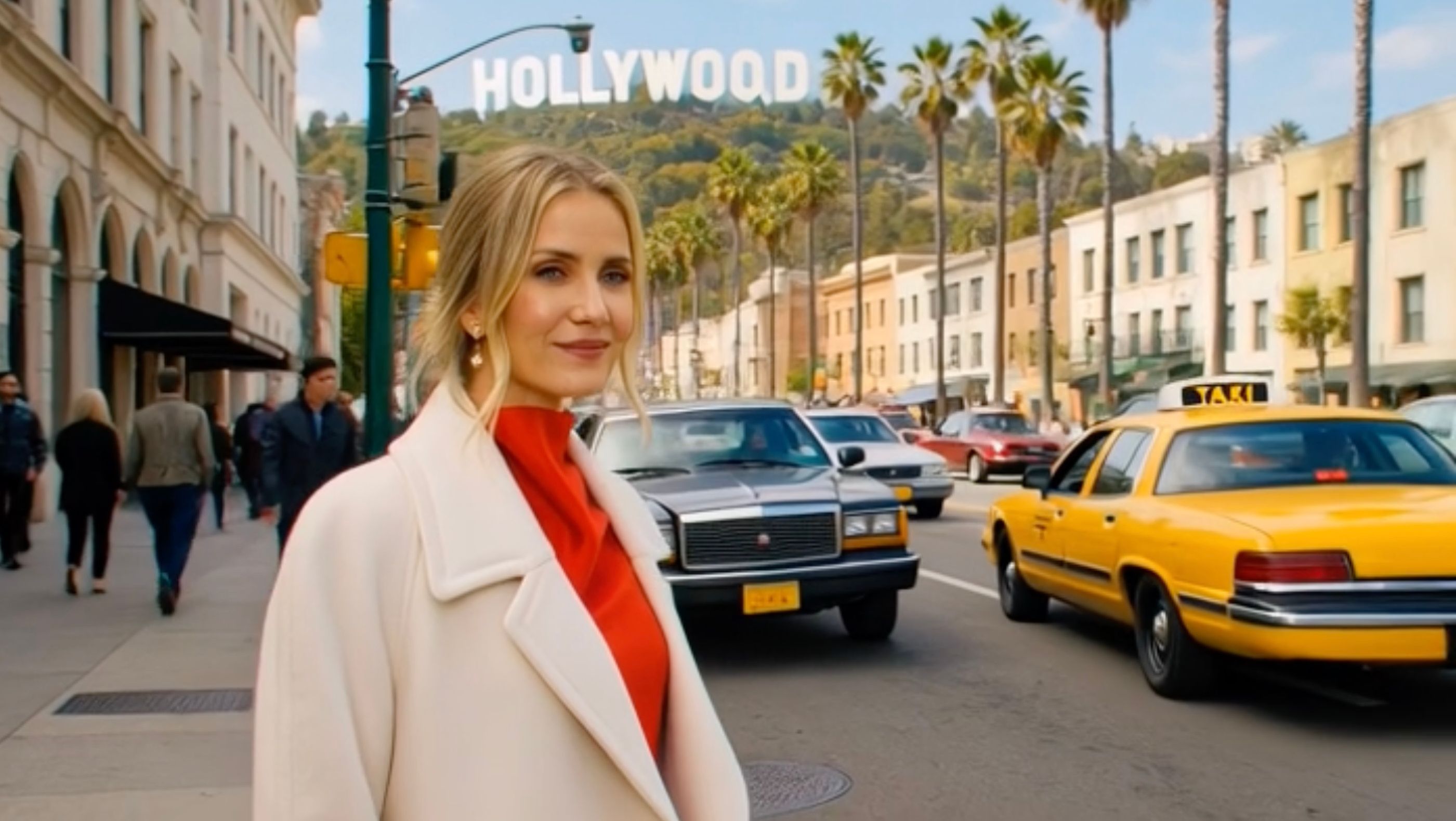
Cameron Diaz’s reappearance last year in Back in Action felt like exactly that kind of moment. Not a scramble. Not a reinvention. Just a star who had left the spotlight for nearly a decade choosing to step back into it. And she’s not the only one to prove that sometimes the most interesting chapter comes after the gap.
Cameron Diaz: Nearly 10 years away
 After almost a decade away from acting, Cameron Diaz returned in Netflix’s Back in Action, and yes, the title did half the storytelling.
Diaz didn’t leave Hollywood because the industry shut her out. She left because she chose to. She’s spoken openly about wanting control of her time and her life, about stepping off the treadmill. That context matters. When she came back, it didn’t feel like someone scrambling to reclaim relevance. It felt like someone re-engaging on their own terms.
Later this year she’ll appear in Netflix’s Bad Day, which continues the unintentional wordplay arc, from being Back in Action to navigating a Bad Day. Then comes Shrek 5, delayed twice until Summer 2027, with Diaz reprising Fiona. That’s not just franchise familiarity; it’s generational nostalgia. For many people, Shrek sits alongside the films that defined their early cinema habits.
Diaz’s return feels measured. Light. Intentional. Less “comeback campaign,” more “why not?”
Brendan Fraser: Over a decade away from leading roles
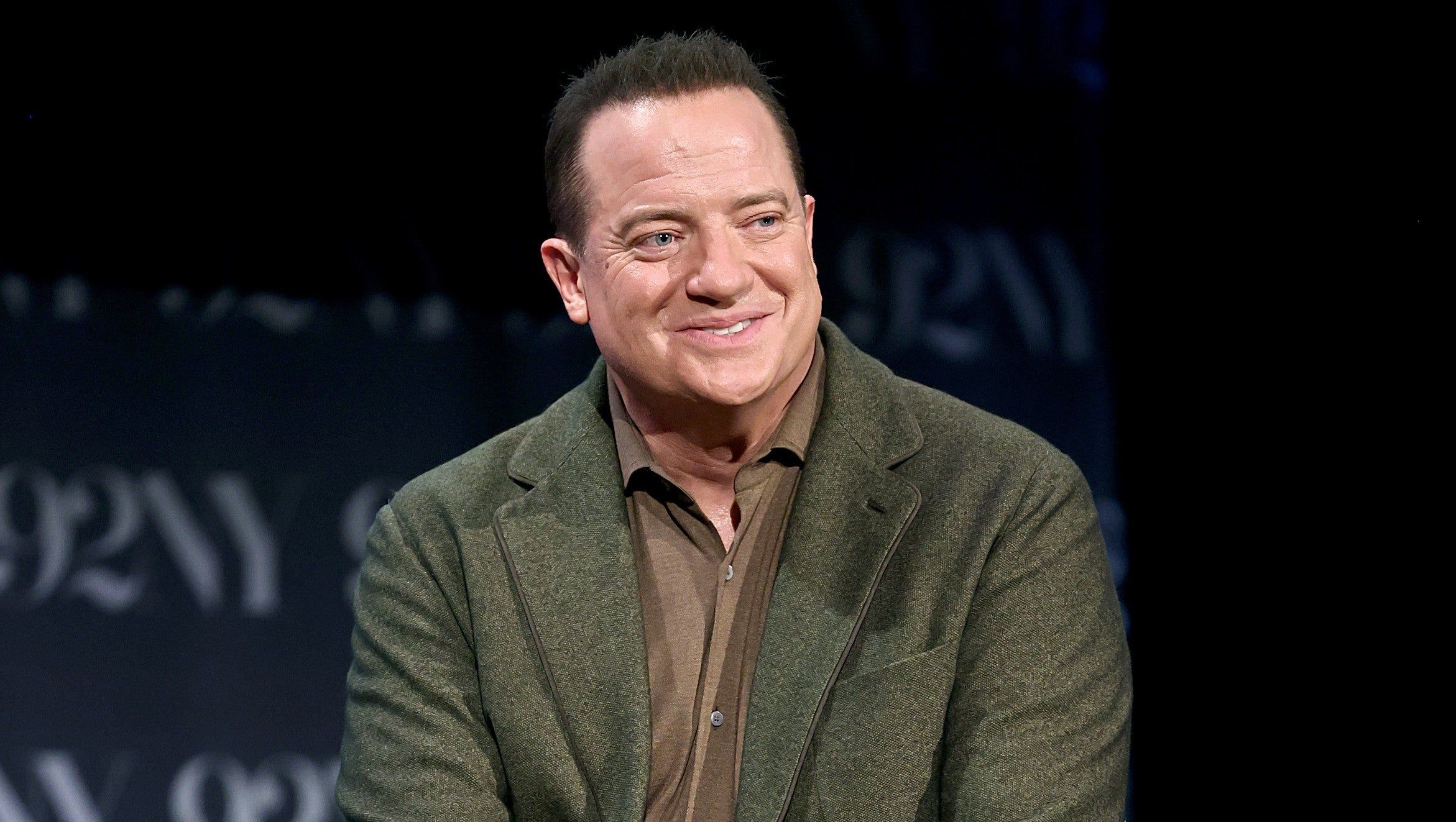 Brendan Fraser once embodied blockbuster adventure. Late-90s cinema, big set pieces, franchise swagger. But injuries, personal challenges and industry shifts moved him gradually out of A-list leading roles for more than a decade.
His return in The Whale couldn’t have been further from the action-hero energy audiences remembered. It was intimate. Still. Emotionally exposed. The standing ovation at the Venice Film Festival became a moment that felt unusually genuine for the modern media cycle. When he won the Academy Award, it didn’t read as Hollywood rediscovering a brand. It felt like the audience reconnecting with a person.
Fraser’s comeback resonated because it wasn’t about spectacle. It was about vulnerability.
Robert Downey Jr: Career collapse in the late 1990s
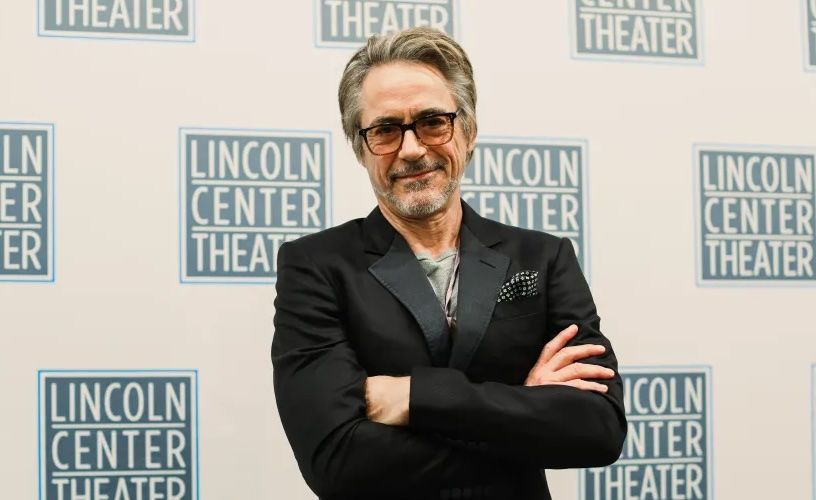 Robert Downey Jr.’s story isn’t a neat hiatus. It’s a fall and rebuild.
After legal and addiction issues in the late 1990s, he became effectively uninsurable. Studios couldn’t take the risk. His career stalled in public view. The turning point came when Mel Gibson paid his insurance bond, enabling Downey to make his film comeback in The Singing Detective.
It wasn’t a blockbuster reset. It was simply the door reopening.
Then Iron Man arrived. At the time, the casting felt bold. In hindsight, it feels inevitable. Downey’s Tony Stark worked because it carried lived-in imperfection. The character rebuilding his life mirrored the actor doing the same.
His recent Oscar win for Oppenheimer closes a loop that spans decades. From prodigy to collapse to franchise cornerstone to respected character actor, it’s not just a comeback. It’s evolution.
Renée Zellweger: Six-year hiatus
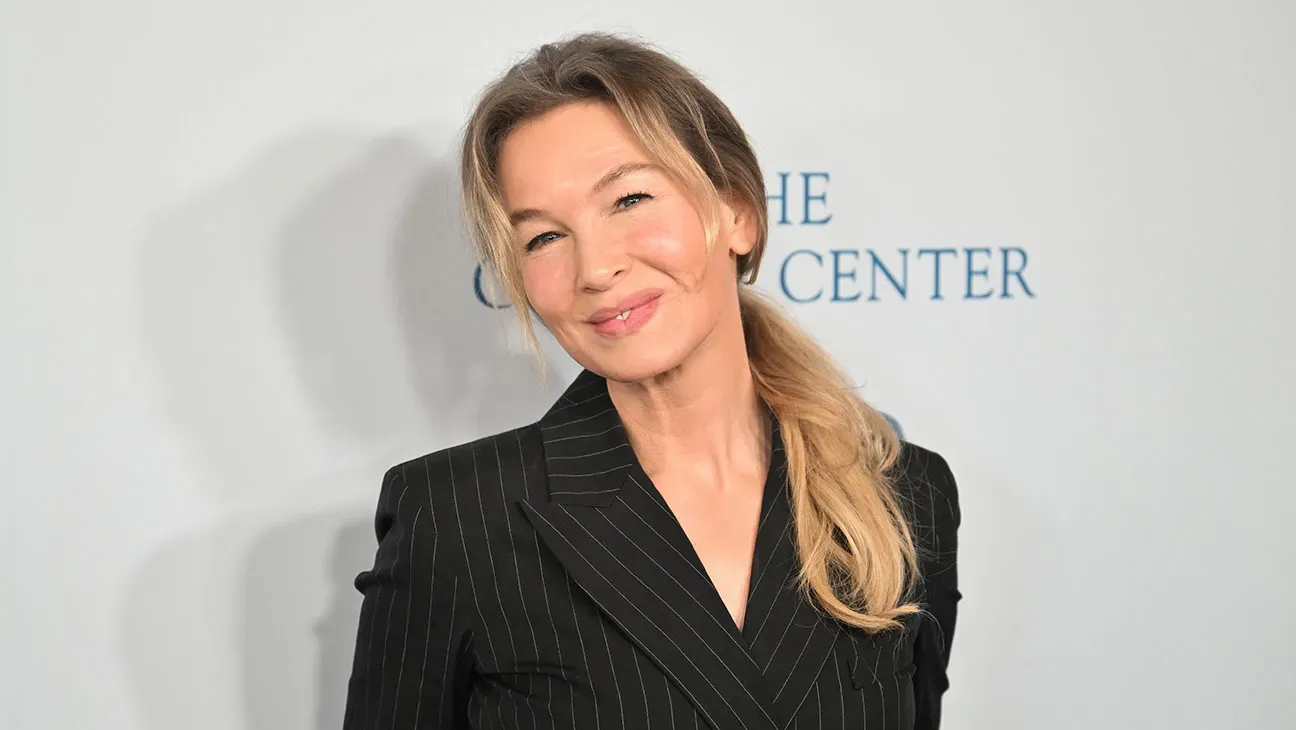 Renée Zellweger stepped away from acting for six years without scandal or industry exile. She later explained she was “sick of the sound of my own voice,” feeling she was regurgitating the “same emotional experiences.”
That level of candour is rare in an industry that rewards repetition.
Her return in Judy was deliberate and restrained. Playing Judy Garland required immersion and emotional precision. It won her the Academy Award for Best Actress, but more than that, it felt like a recalibration.
The break hadn’t dulled her edge. It had sharpened it.
Jim Irving
Author