The Art of the Perfect Movie Montage
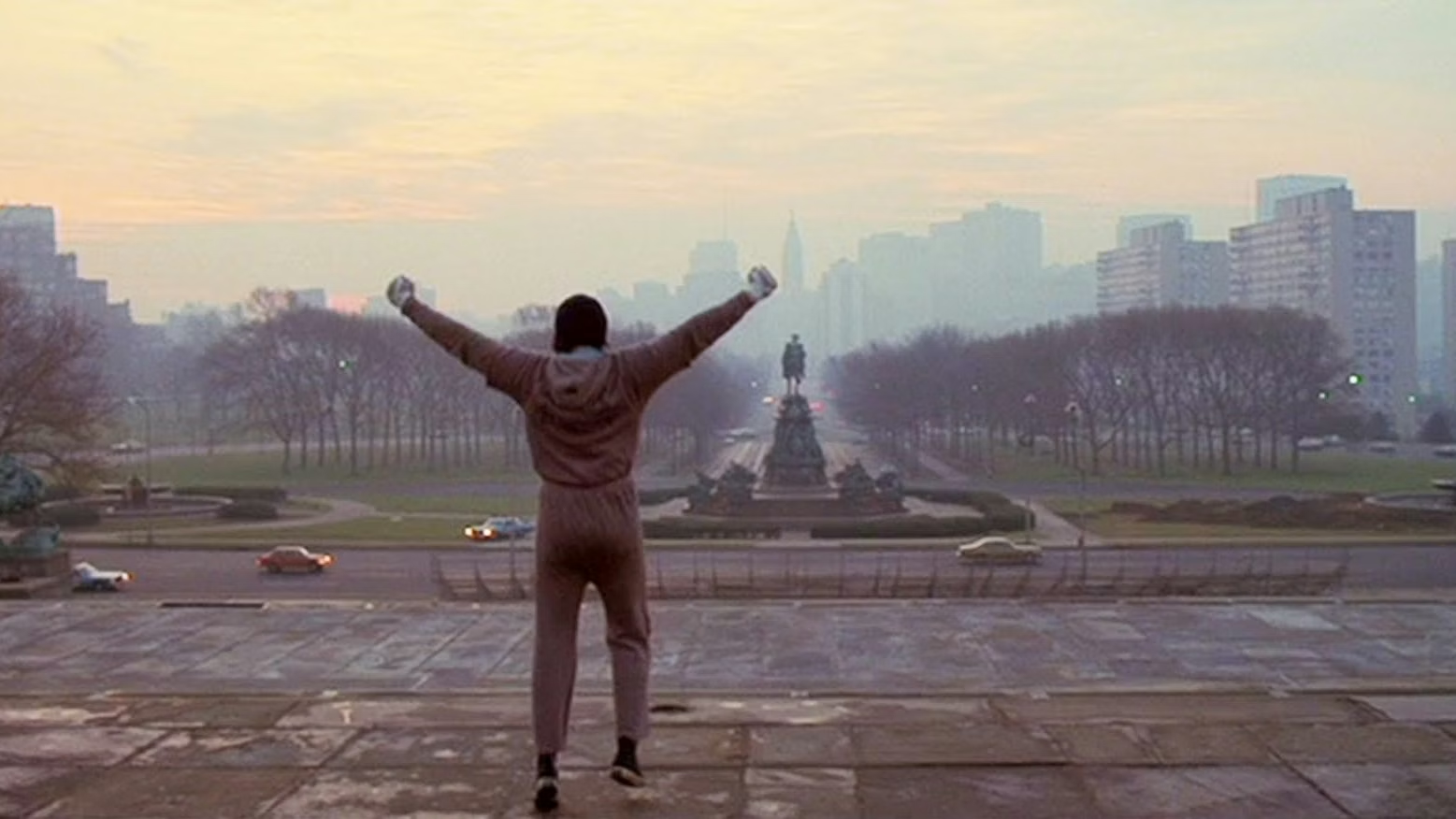
When I witnessed Sylvester Stallone pound his way up the stairs of the Philadelphia Museum of Art for the first time, I was hooked. Arms raised to a roaring soundtrack, Rocky Balboa and his heroic ascent remain one of cinema’s greatest declarations of determination.
That moment convinced millions of people that, with enough grit and the right tune, anyone could reinvent themselves. Suddenly, running in freezing weather was no longer an unpleasant necessity, but a character-building experience. A personal crusade. Proof that greatness was just a few sweaty miles and a dramatic guitar solo away.
That is the strange magic of the movie montage. It takes the repetitive, exhausting parts of improvement and turns them into something worth watching.
But what, exactly, makes a great one?
The perfect montage needs a goal
The best montages start with a challenge. There needs to be a dream, an obstacle or somebody who needs proving wrong.
Sports films have this down to a fine art. Rocky training for his fight - getting stronger with every scene - works because boxing is only part of the story. At its heart, it is about an underdog trying to prove that he belongs.
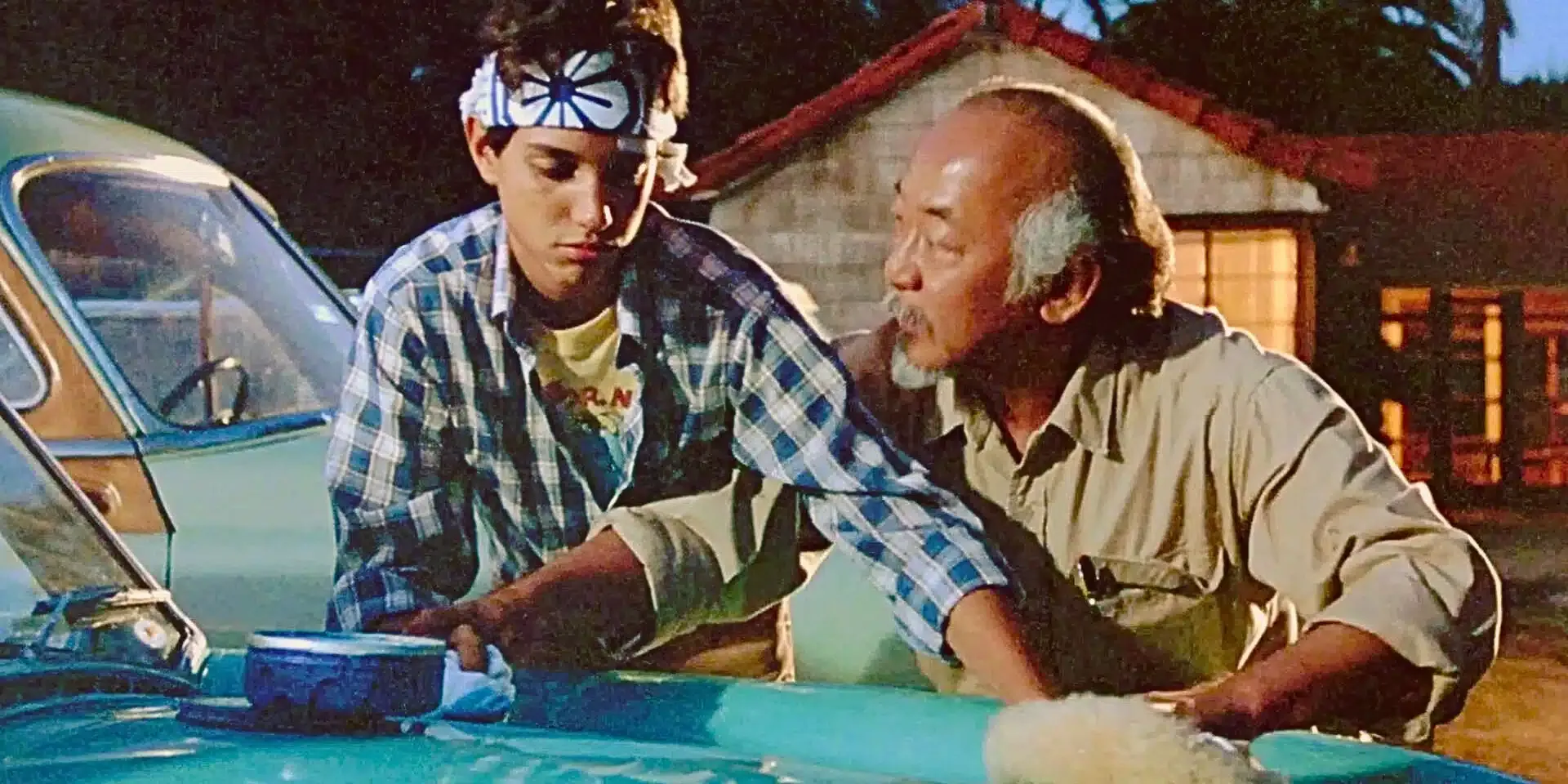 Then there is The Karate Kid, which somehow convinced audiences worldwide that household chores could turn you into a martial arts expert. Watching Daniel LaRusso spend hours painting fences and waxing cars is so inexplicably inspiring that I’ve considered trying to karate chop a wooden plank with my bare hands on more than one occasion.
But the beauty of the montage is that it does not need a boxing ring or a black belt to work. The same formula applies to any character chasing something bigger than themselves. In Good Will Hunting, Matt Damon is not training for a fight, but the image of him quietly devouring maths books in his dimly lit bedroom carries the same energy.
That is the secret behind every great montage. It gives us someone to believe in, a journey to invest in and just enough confidence to convince us that maybe we could do it too.
The soundtrack does half the work
The soundtrack is what turns effort into transformation.
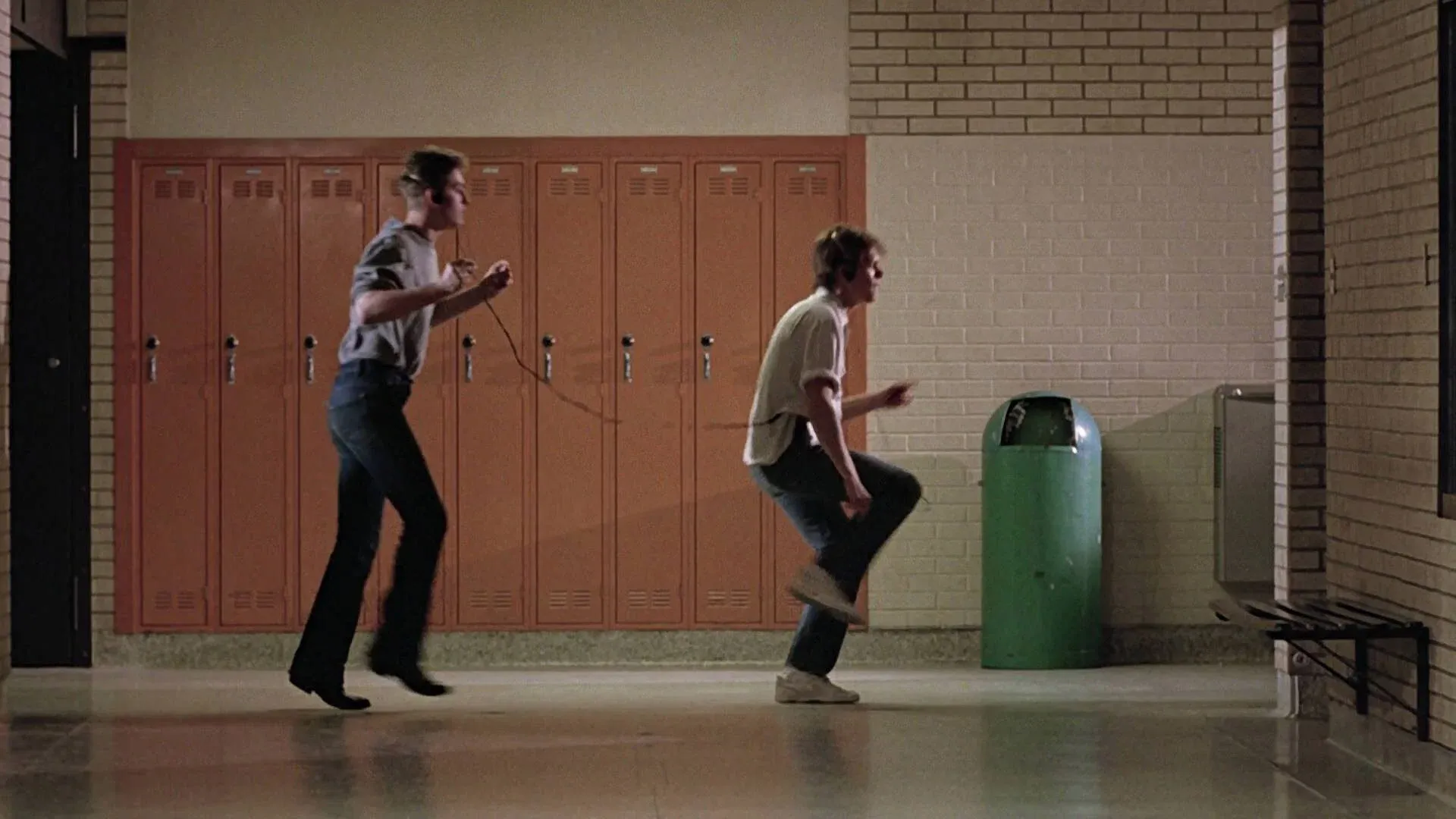 A well-chosen song gives meaning to all the repetitive, unglamorous work happening on screen. Watching Kevin Bacon and Chris Penn hip thrust, spin and kick their way across Utah has the potential to be entirely cringe-inducing. Add Deniece Williams’ ‘Let’s Hear It for the Boy’ into the mix, however, and everyone watching is left feeling as Footloose as those on screen.
The transformation has to be worth it
The best montages make us notice the distance between who a character was at the start and who they become by the end.
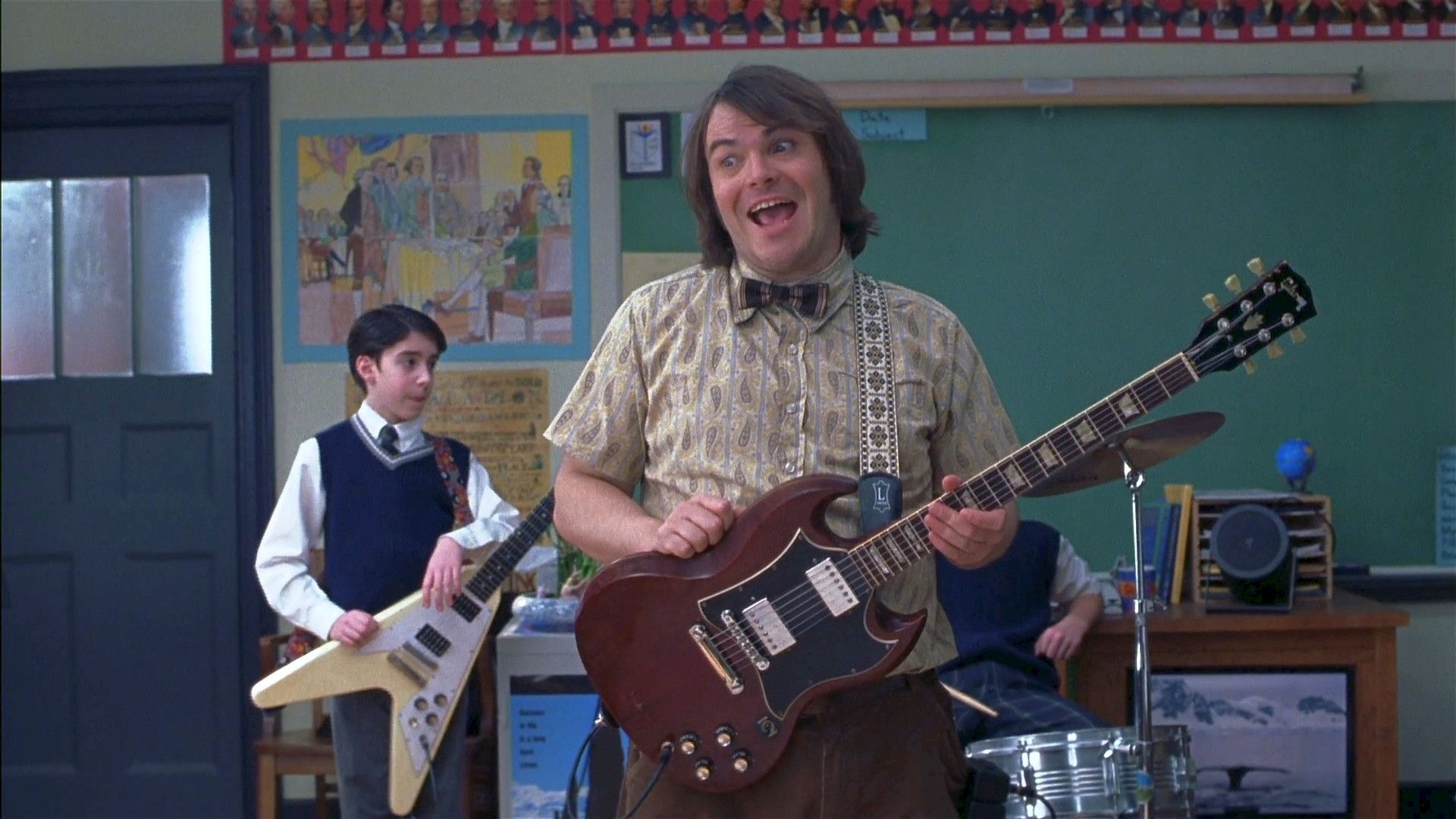 That is why films like School of Rock work so well. Jack Black is not simply teaching a group of children how to play music. He is dragging them out of their shells, replacing nervousness with confidence and turning a classroom of rule-followers into a band ready to take the stage.
The instruments are secondary. The real transformation is watching students discover a version of themselves they did not know existed.
Real life is rarely accompanied by dramatic music and a camera crew. Unfortunately, most personal growth involves mistakes and far fewer inspirational slow-motion shots.
But for a few glorious minutes, a great movie montage lets us believe anything is possible.
And if that is not worth a power ballad, what is?
Harriet Solomon
Author