The Lie of Five Star Movie Ratings
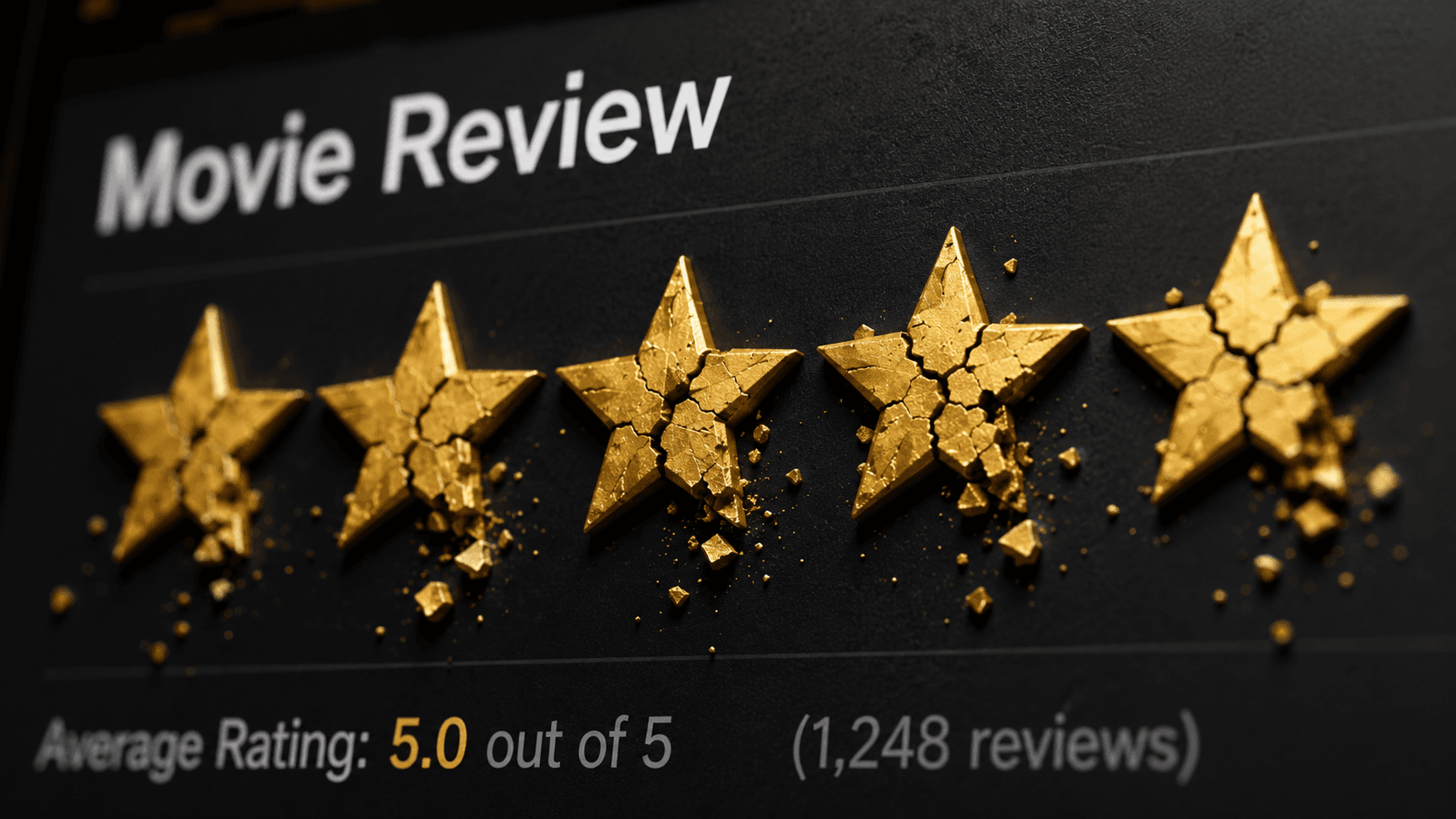
A rating next to a film title can feel surprisingly authoritative, whether it’s stars on Letterboxd or a number out of 10 on IMDb. It looks as though thousands of people have agreed on something definitive. There’s an understanding amongst viewers… A 4-star film suggests something worth your time, while a 2.5 or a 3, implies you could probably make a better decision with your evening.
The problem is that movie ratings do not actually reflect how you will experience a film. They reflect how a large group of people felt about it, without any context about why they felt that way or whether their tastes match yours.
The Problem With Movie Ratings Systems
Outdated movie ratings systems are built on the idea that if enough people agree on something, the result must be accurate. In reality, they tend to reward films that appeal to as many people as possible. These are often films that feel easy to watch, familiar in structure, and unlikely to divide opinion.
Films that take risks tend to do the opposite. They create strong reactions, which means some viewers love them while others do not connect at all. When those reactions are averaged, the final score usually settles somewhere in the middle.
That middle ground can be misleading and could mean you miss out on watching a movie that really connects with you. A high score often reflects broad agreement, while a lower score can reflect a film that speaks very clearly to a specific type of viewer. Could that type of viewer be you?
Why Horror Movie Ratings Often Have Lower Ratings
Horror highlights this issue better than almost any other genre. It is genuinely difficult for a horror film to reach a 3 or 3.9 on Letterboxd. This is not because horror films lack quality. It is because they rely on elements that divide audiences.
Some people enjoy slow tension and atmosphere. Others prefer clear action and resolution. A horror film that leans into discomfort, ambiguity, or psychological tension will not have the same impact for everyone.
When those mixed reactions are averaged, the rating usually settles somewhere between 3 and 3.9. That number may look average, but it often reflects something much more specific. For an action film, a 2.5 or 3.5 might be a poor rating (not terrible but not great), but for a horror, that’s usually fairly high.
Highly Rated Horror Movies That Aren’t Getting 5 Stars
It’s not uncommon for people to pass on a movie unless it gets a minimum of 4.5 rating on Letterboxd or 7 (out of 10) on IMDb. Several well-known horror films sit in the 6 to 6.5 range despite being widely discussed and respected, and each of them offers a very specific kind of experience that does not try to please everyone.
Hereditary
2018, Director: Ari Aster
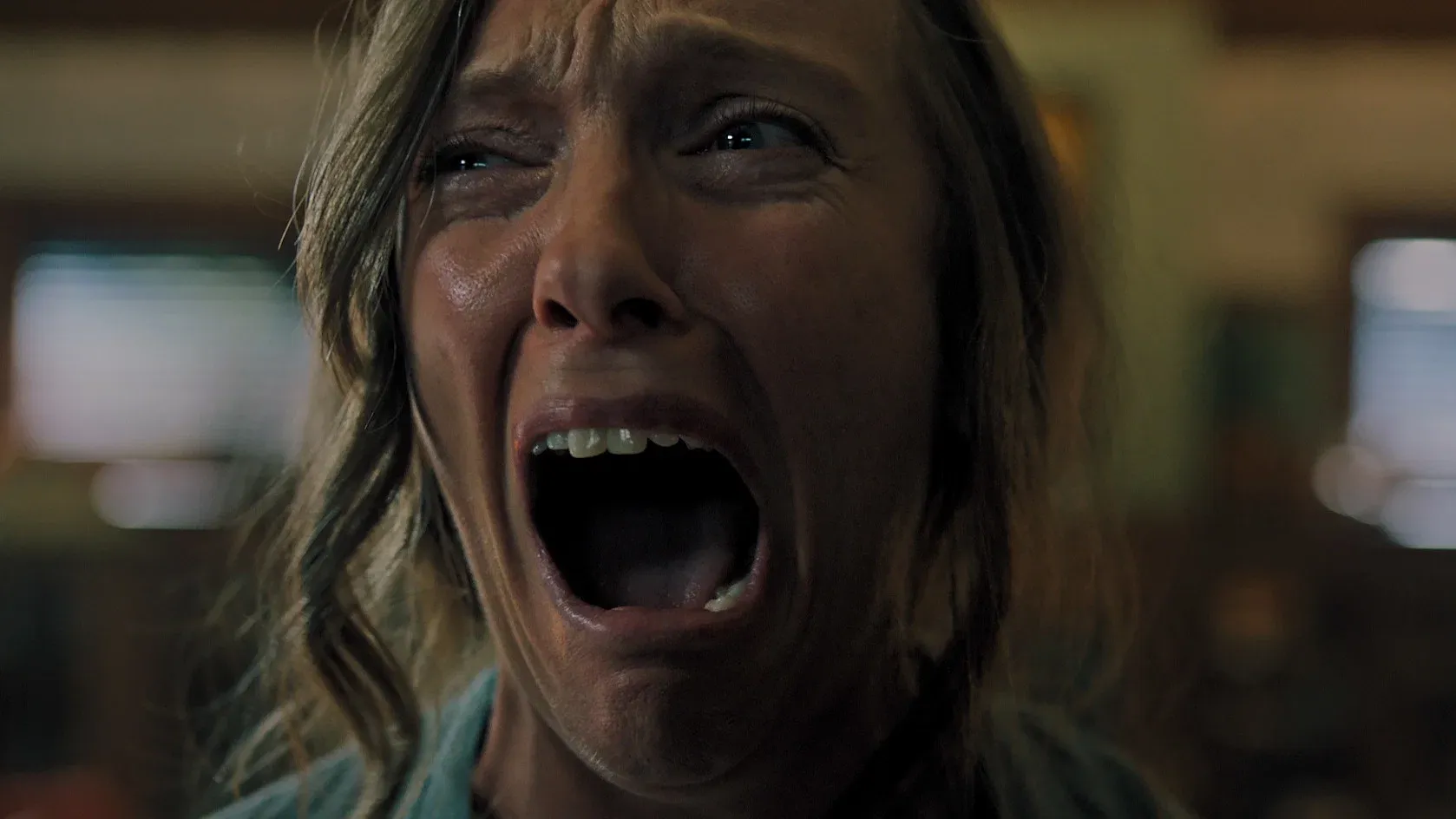 This one is less about jump scares and more about grief that slowly turns into something far more disturbing. It builds tension in a way that feels almost domestic at first, focusing on family dynamics, awkward silences, and a sense that something is slightly off before it becomes undeniably wrong.
Will you like it? If someone enjoys psychological horror that lingers and escalates in a controlled, almost suffocating way, this film tends to be an excellent pick - you might even rate it a 5. If you’re someone who prefers clear pacing, resolution, or moments of relief, it can feel heavy and relentless - you may rate it a 3. This one scores a 3.9 on Letterboxed.
The Witch
2016, Director: Robert Eggers
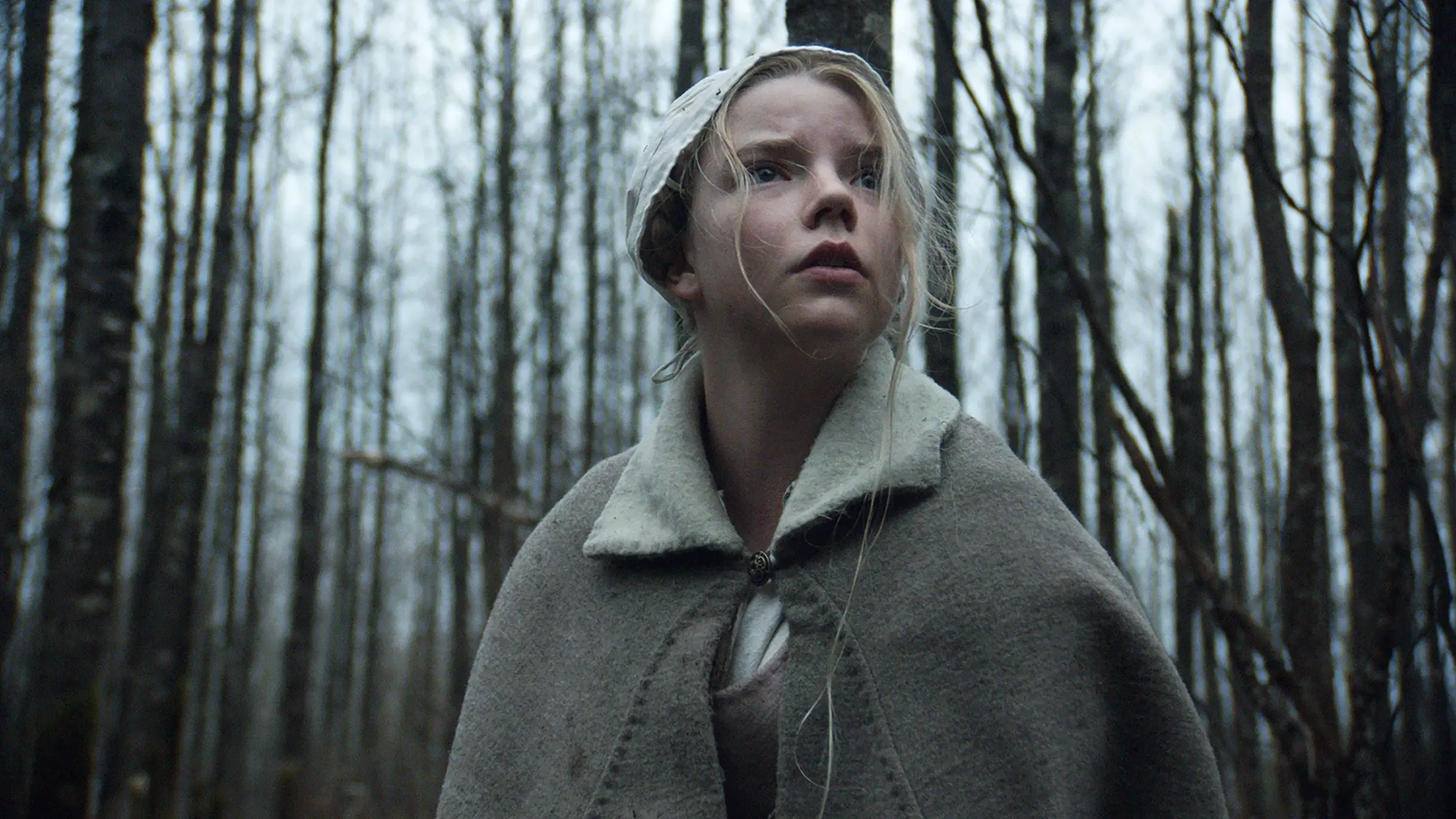 This movie takes a very different approach. It leans into isolation, historical detail, and atmosphere, with dialogue that feels true to its setting and pacing that moves deliberately. Much of the tension comes from what is not shown, which means it asks for patience and attention.
Will you like it? Viewers who enjoy slow, immersive storytelling often find it deeply unsettling in the best possible way, making it worth at least a 4. Others may find it distant or difficult to engage with if they are expecting a more traditional structure and might prefer to rate it around 6.
It Follows
2015, Director: David Robert Mitchell
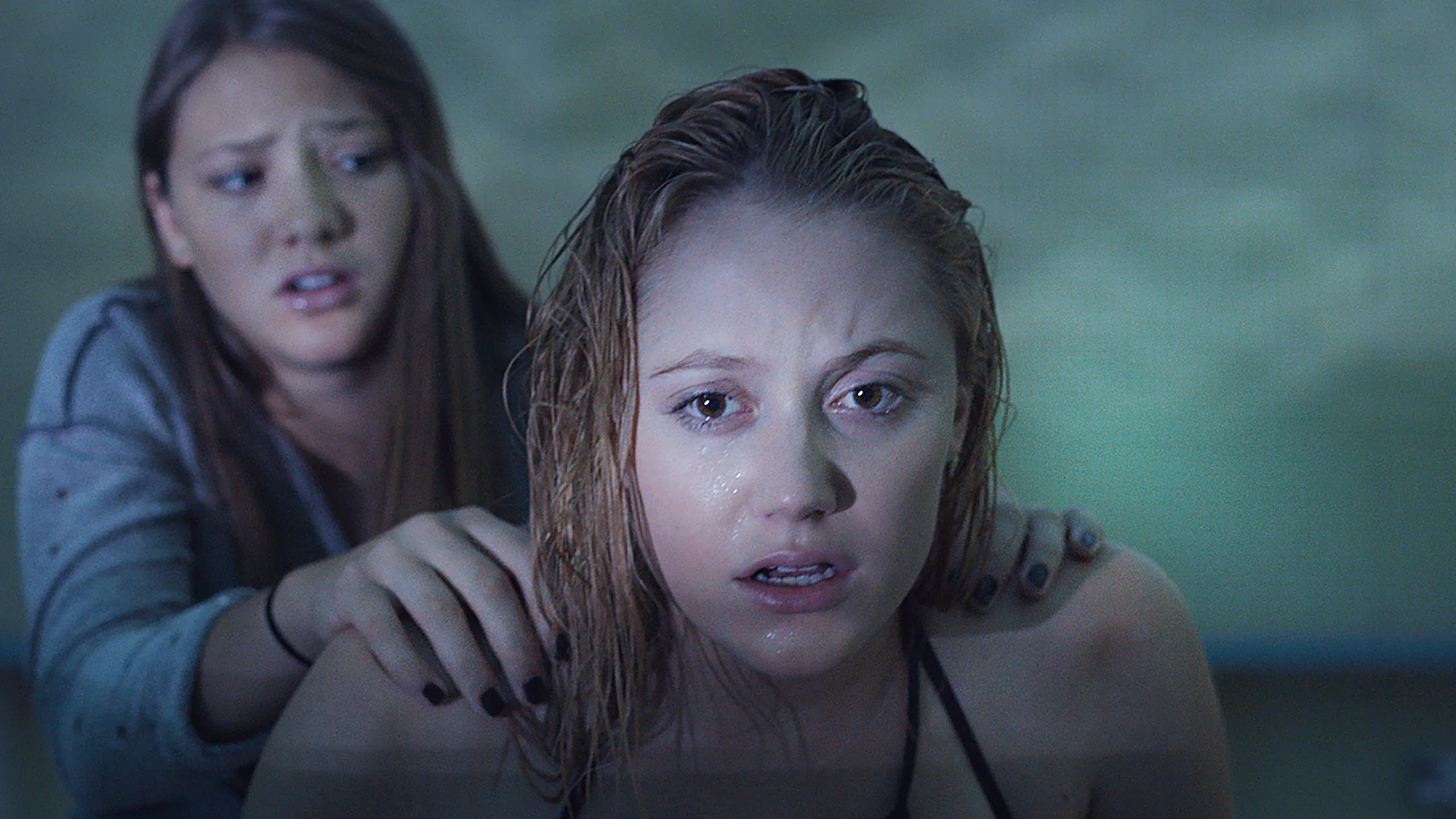 This movie is built around a simple idea that becomes increasingly uncomfortable the longer it plays out. Without leaning into a spoiler alert, the threat moves slowly, never rushing, which creates a constant sense of inevitability rather than sudden shock. The setting feels familiar and slightly surreal at the same time, which adds to the unease.
Will you like it? For viewers who enjoy concept-driven horror with a steady build, it can feel clever and memorable. For others, the lack of urgency may reduce the impact.
These films often sit around the mid range in movie ratings, yet each one is highly intentional in its style and delivery. They are not trying to appeal to everyone, and that is exactly why they resonate so strongly with the people who do connect with them.
In this context, a 3 rating does not suggest that a film is average. It often suggests that the film knows exactly what it is doing and is willing to lose part of its audience in order to do it properly. Perhaps a better star rating would be to rate elements of the movie and not only provide an overall rating. In terms of this, Recce has something exciting coming soon! Later this year, users will be able to get more granular with reviews of individual actors, the director and writer too.
Why Average Movie Ratings Miss Personal Taste
A single number cannot capture personal taste. It does not tell you whether a film is slow or fast, dialogue-driven or visual, predictable or ambiguous. It does not tell you whether you will connect with it. Two people can watch the same film and have completely different experiences. Their ratings are combined into one number, which creates the impression that there is a shared conclusion when there often is not.
This is why movie ratings can feel useful at first glance but fall short when you rely on them to choose something to watch.
A Smarter Alternative to Traditional Movie Ratings
We do things a little differently with our Recce movie ratings. Recce approaches ratings differently by focusing on recommendations from individuals rather than averages. This allows you to discover films through people whose tastes are similar to yours.
A recommendation becomes more meaningful when you understand the person behind it. A film with a modest rating can still be exactly what you are looking for if it aligns with your preferences. This approach works particularly well for genres like horror, where divisiveness is part of the appeal rather than a flaw.
Rethinking What Movie Ratings Really Mean
Movie ratings create a sense of certainty that is not always accurate. A higher number does not guarantee a better experience, and a lower number does not mean a film lacks value. A film with a 4.5 rating might be enjoyable but forgettable. A film with a 3 rating might stay with you for days. The difference comes down to how well the film matches your taste, not how many people agreed on its score.
Once you see movie ratings this way, they become less of a decision-making tool and more of a general reference point. The more useful approach is to look for recommendations that feel tailored to you, even if the numbers suggest otherwise.
Jayme Wium
Author