The Social Reckoning: The Sequel Facebook Never Wanted

Making The Social Network in 2010 was complicated enough. Making its follow-up in 2026 might be considerably harder.
Aaron Sorkin’s The Social Reckoning arrives in cinemas on 9 October, returning to the world of Facebook 16 years after David Fincher’s film turned Mark Zuckerberg, Eduardo Saverin and the birth of a social network into one of the sharpest dramas of its generation. This time, however, Sorkin is dealing with something even more difficult: events that happened relatively recently and a company with enough lawyers to make most filmmakers reconsider the entire idea.
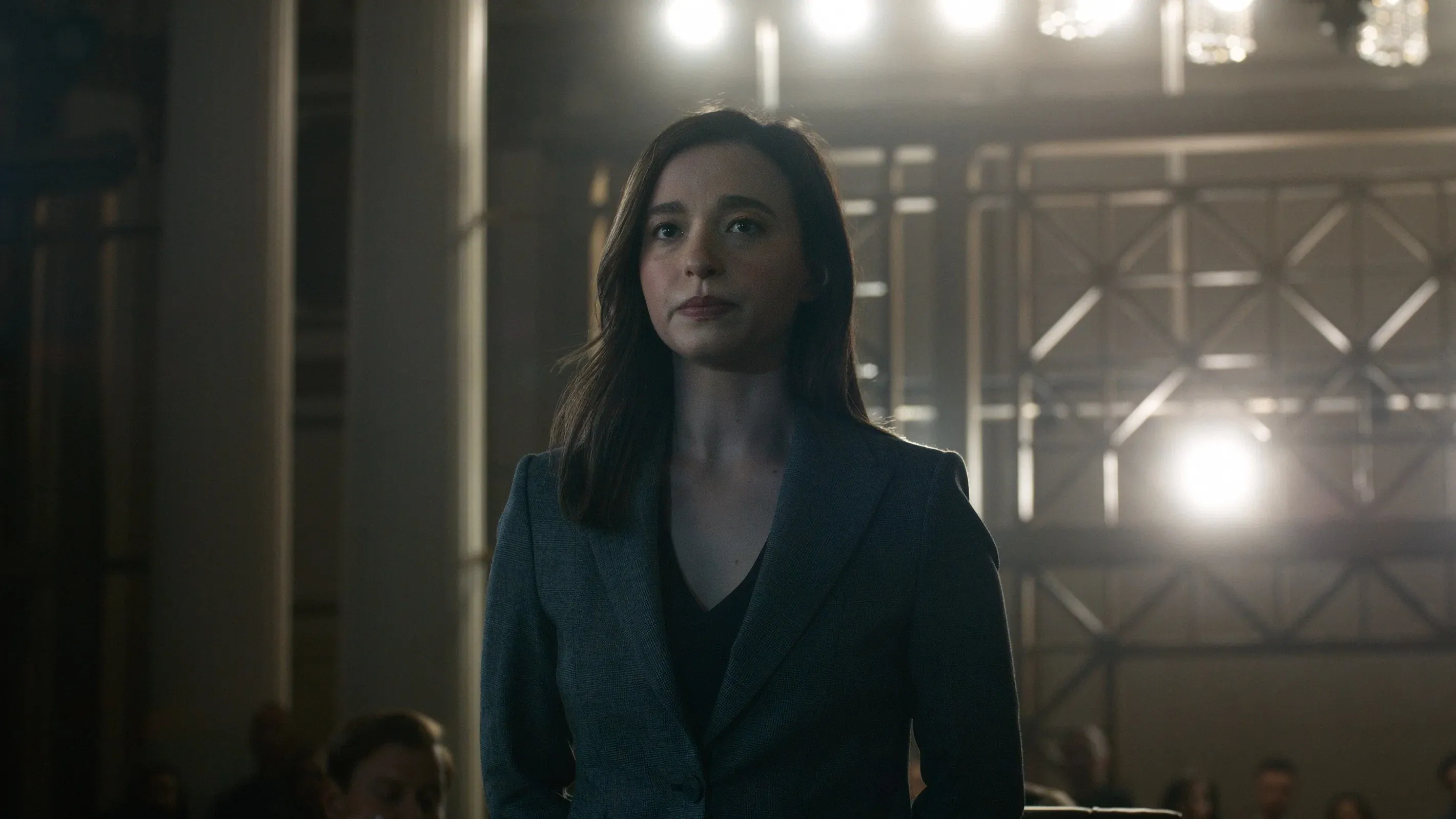 The new film centres on former Facebook engineer Frances Haugen, played by Mikey Madison, and Wall Street Journal reporter Jeff Horwitz, played by Jeremy Allen White. Haugen became a whistleblower after taking thousands of internal Facebook documents that formed the basis of The Facebook Files, a series of reports examining what the company knew about the effects of its platforms. Jeremy Strong plays Mark Zuckerberg, which immediately gives the film another challenge: how do you portray one of the most recognisable business figures in the world without simply turning him into a very expensive impression?
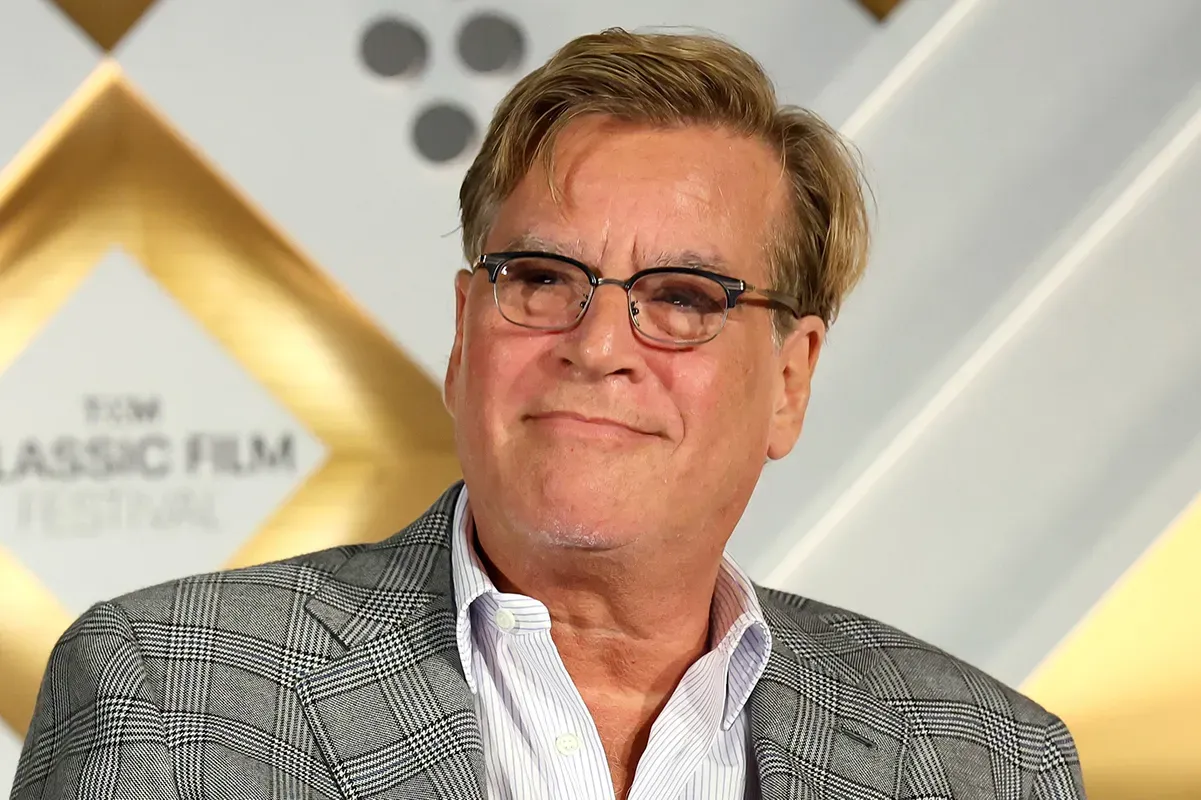 Sorkin appears acutely aware of the danger. He recently revealed that Sony hired an outside law firm specifically to fact-check the screenplay because of the potential legal exposure involved in depicting Meta and its executives. Every claim, scene and detail apparently needed to survive serious scrutiny before anyone shouted “action”. There is something wonderfully ironic about a film examining questions around information, responsibility and truth having its own facts checked within an inch of their lives before it reaches a cinema screen.
Then there is Strong.
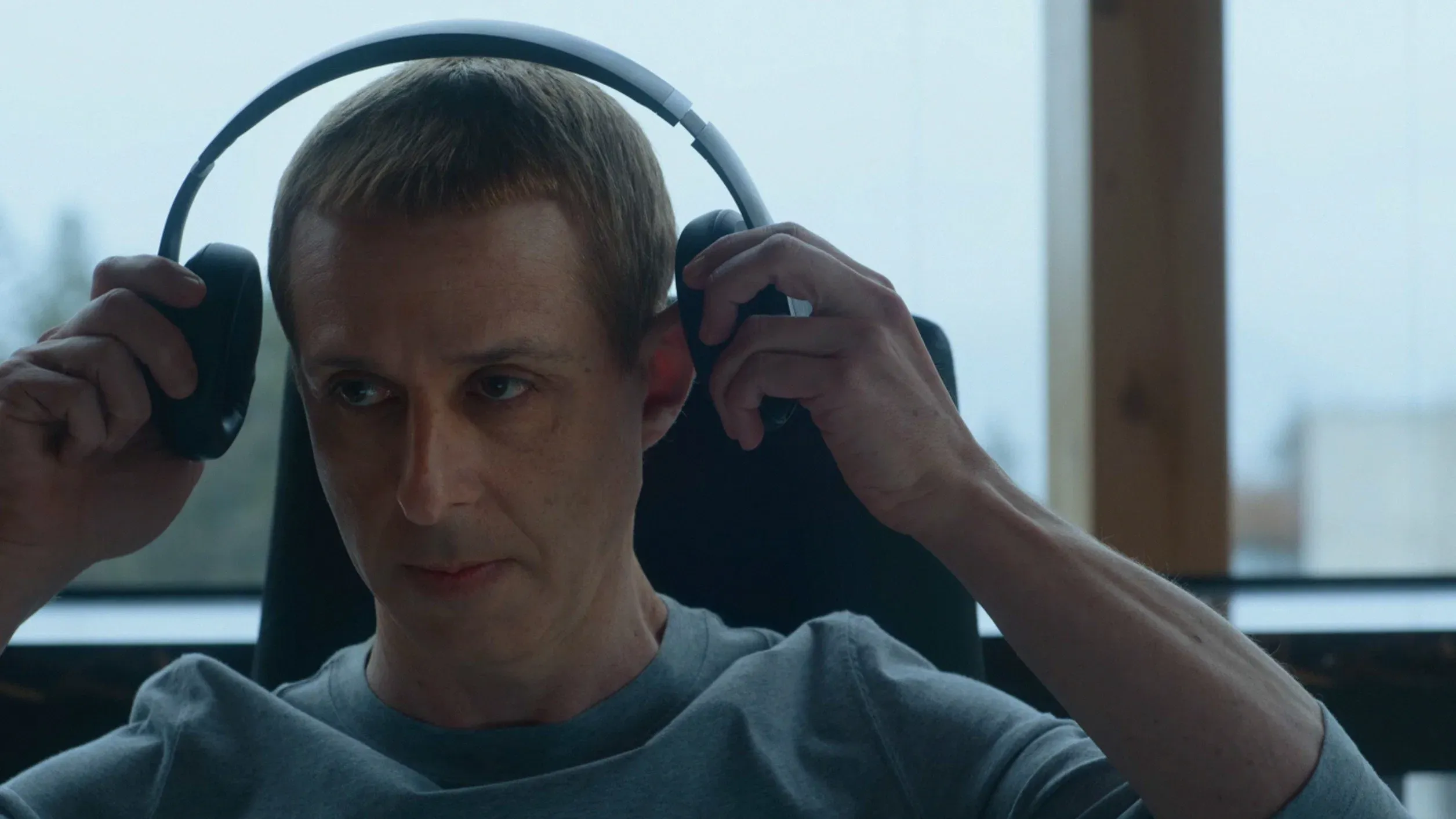 The Succession actor reportedly went so deeply into playing Zuckerberg that Sorkin warned the crew beforehand that Strong would treat people on set the way he imagined Zuckerberg might. Strong has also spoken about trying to understand Zuckerberg rather than simply playing him as a villain, which is probably essential. A two-hour film becomes much less interesting if one side walks on carrying a sign saying “bad guy”.
That may be the biggest challenge facing The Social Reckoning. The events are recent enough that many viewers already have strong opinions about Facebook, social media, whistleblowers, algorithms and Zuckerberg himself. Sorkin cannot rely on history to provide comfortable distance because we are still living with the consequences of the story he is telling.
And unlike The Social Network, this isn’t really an origin story. It’s an aftermath story.
That makes the title rather clever. The first film asked how Facebook was built and what its creation cost the people involved. The Social Reckoning arrives after Facebook became part of the infrastructure of modern life and asks a much more uncomfortable question: what happens when the people inside the machine begin telling us how it works?
Sorkin has called it a companion piece rather than a conventional sequel, which feels right. We don’t need another film about young men building a website in a university dorm room. That story has already been told brilliantly.
The harder story is what came next.
And bringing that one to screen without being sued, simplified or swallowed by the subject matter might be Sorkin’s biggest challenge of all.
Jim Irving
Author