Two Time Treatment: One life. Two lenses.
The two time treatment is more than coincidence. It’s cultural gravity. Some lives are too large, too complicated, too mythologised to be contained in one format. Drama gives us understanding of a life through performance. Documentary gives us access through evidence. One heightens. One clarifies.
Jordan Belfort
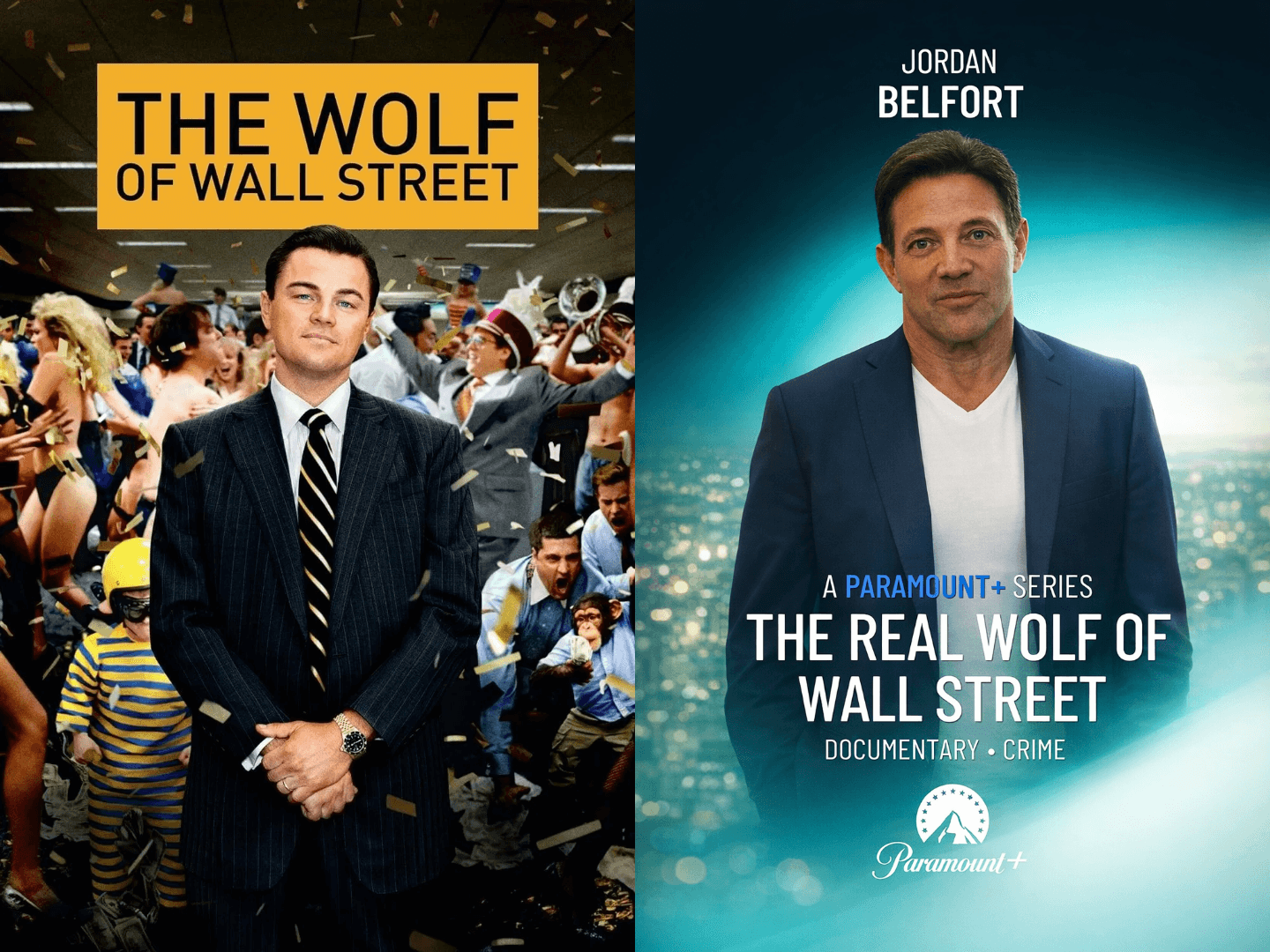 When The Wolf of Wall Street exploded into cinemas in 2013, it didn’t just tell the story of Jordan Belfort, it detonated it. Martin Scorsese turned excess into opera. Leonardo DiCaprio turned greed into performance art. The film racked up Academy Award nominations and became a cultural lightning rod, quoted endlessly, clipped endlessly, memed endlessly. It was swaggering, chaotic, intoxicating. You left the cinema slightly high.
Now comes The Real Wolf of Wall Street, a three-part documentary landing on Paramount+, promising something colder, sharper and more forensic. Where the film was adrenalin, the documentary is aftermath. It steps away from the cinematic sugar rush and asks what really happened inside Stratton Oakmont, and who paid the price. It’s the same story, told through a different lens. Hollywood myth versus lived reality. The two time treatment in action.
Muhammad Ali
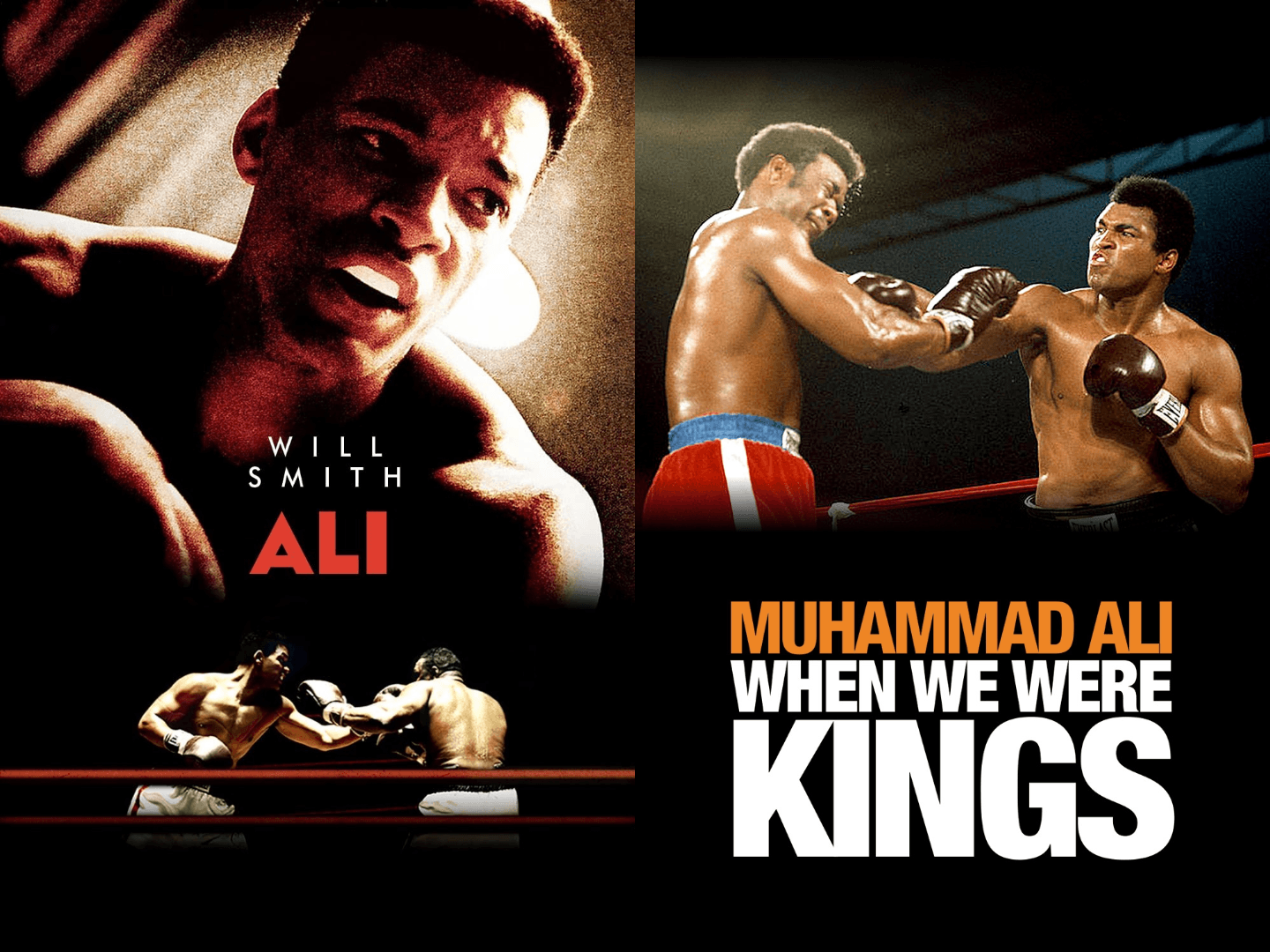 Michael Mann’s Ali approached Muhammad Ali like a sculptor. Will Smith’s Oscar-nominated performance captured the charisma, the poetry, the defiance. The film was muscular and intimate, framing Ali not just as a boxer but as a political force. It treated him as icon.
Then there is When We Were Kings, the Academy Award-winning documentary that focused on the Rumble in the Jungle. No dramatization. No composite characters. Just Ali, George Foreman, Zaire and history unfolding in real time. If the biopic shaped the legend, the documentary proved it. Together, they create a complete portrait — myth and muscle, performance and proof.
Frida Kahlo
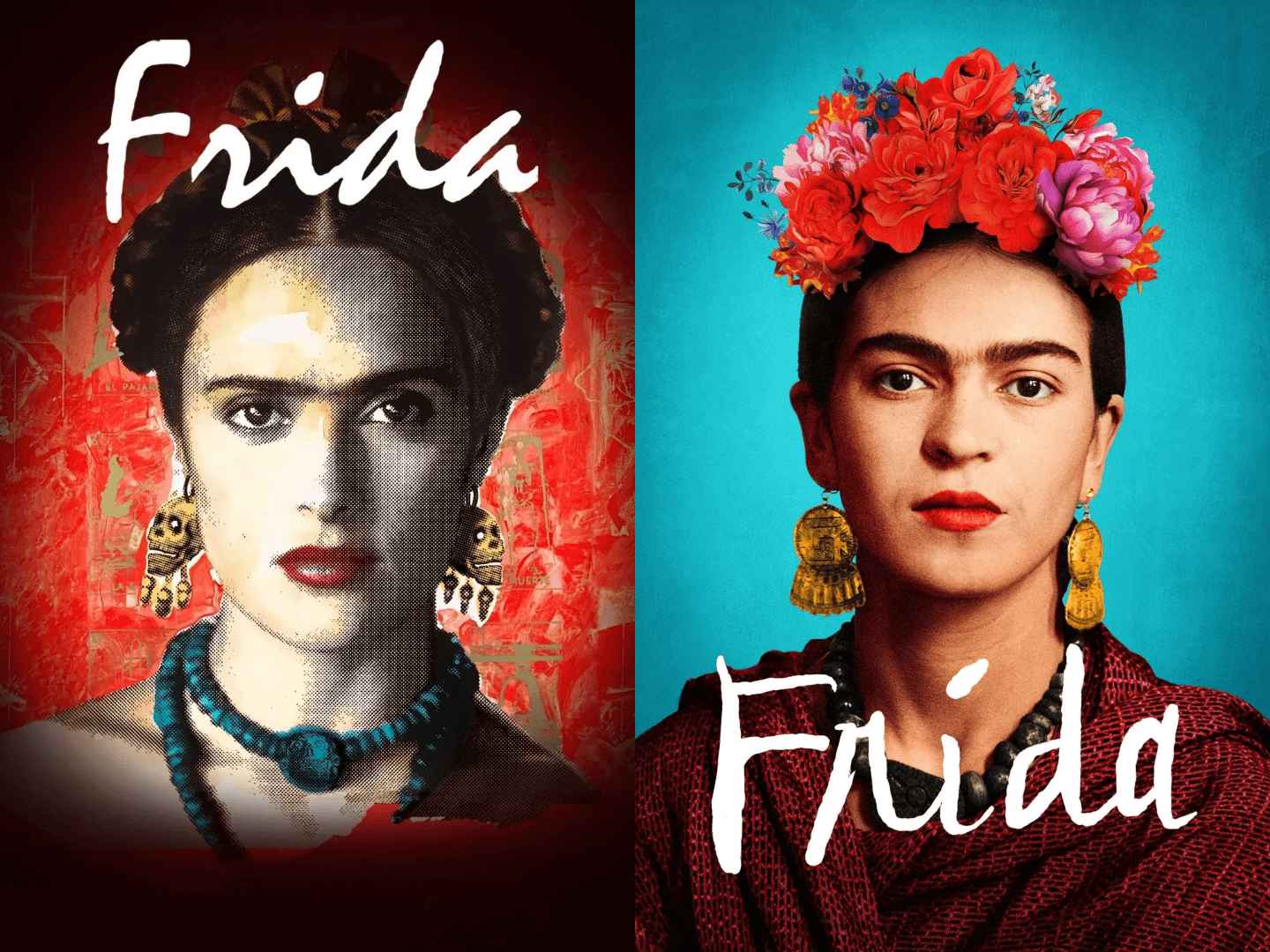 Frida arrived in 2002 drenched in colour and pain. Salma Hayek’s Oscar-nominated turn presented Kahlo as fierce, sensual and defiantly political. The film won two Academy Awards and cemented Kahlo in mainstream cultural consciousness. It romanticised the suffering but never ignored it.
Two decades later, Frida reframed the artist through her own words, drawn from diaries and letters. Awarded at Sundance, the documentary strips away some of the cinematic gloss and leans into authorship. This isn’t interpretation; it’s reclamation. One life. Two award-winning treatments. One driven by performance, the other by presence.
Amy Winehouse
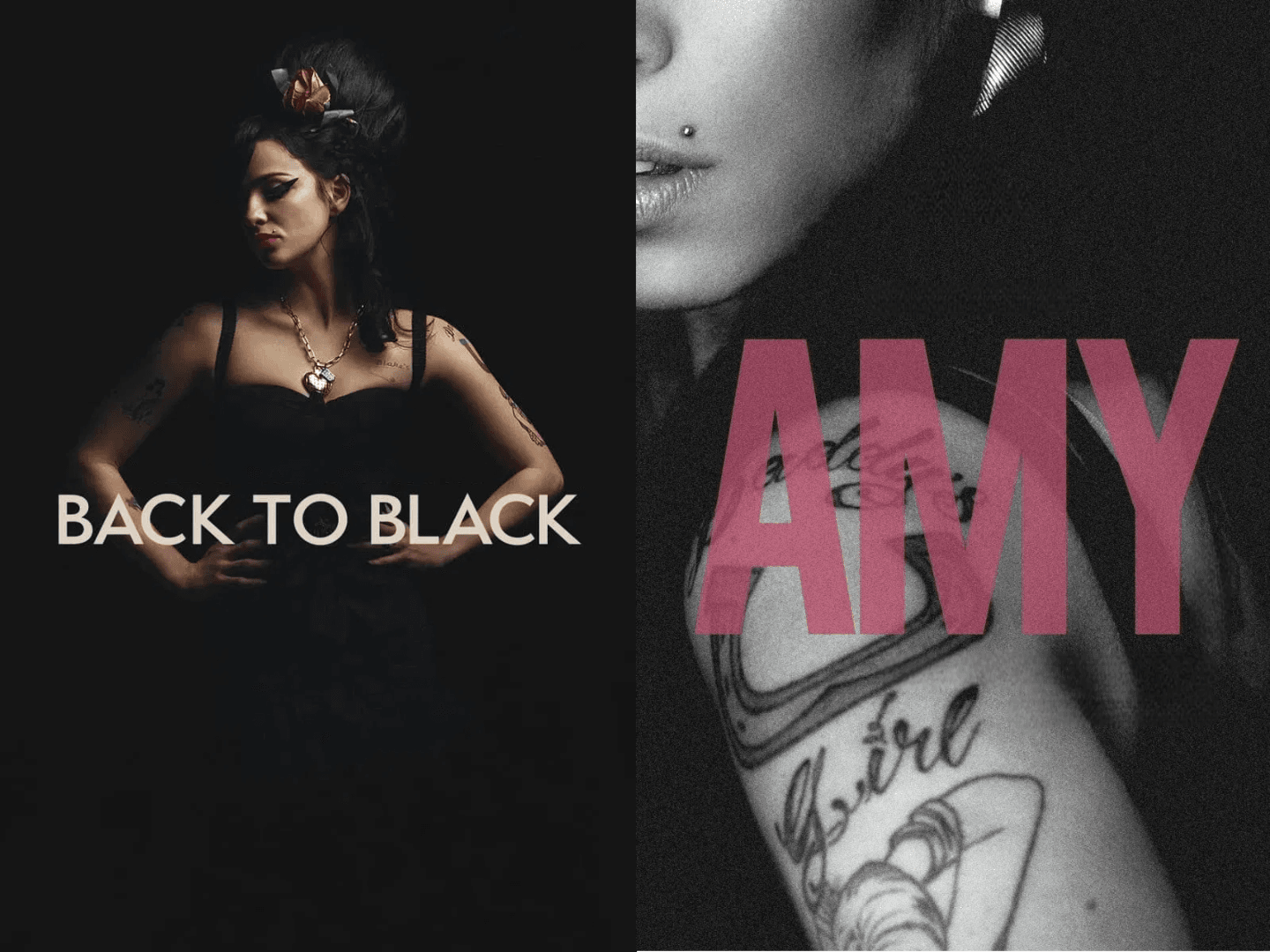
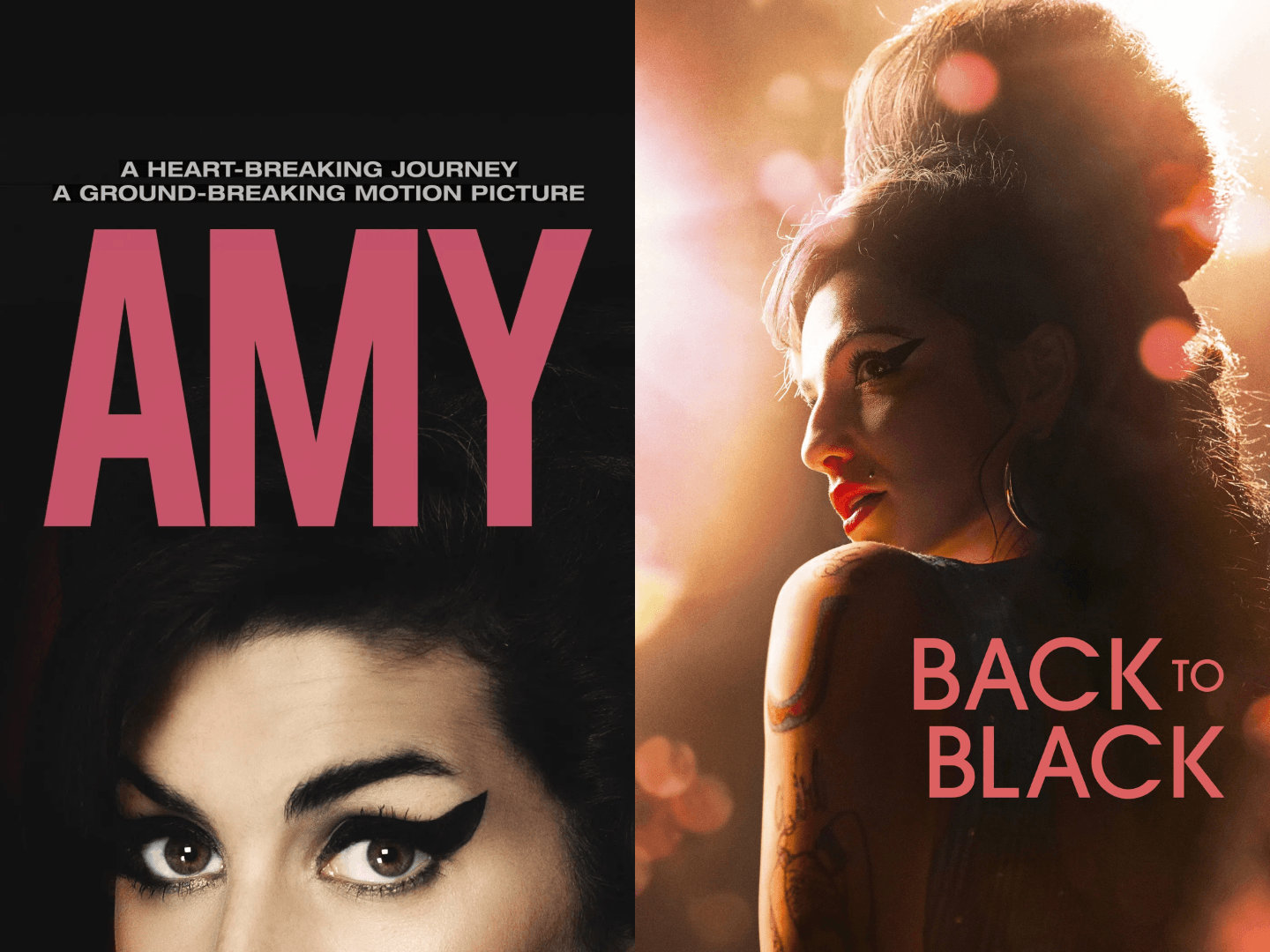 Asif Kapadia’s Amy was devastating. Constructed from archive footage and voicemail recordings, it won the Academy Award for Best Documentary and reframed Amy Winehouse not as tabloid chaos but as an artist under siege. It felt intimate, invasive, necessary.
Then came Back to Black, the narrative retelling starring Marisa Abela. The biopic approached Winehouse through performance and reconstruction, recreating the Camden nights and Grammy highs. Where the documentary felt raw and immediate, the film aimed for emotional immersion. Two versions of the same tragedy. Two different emotional entry points.
Truman Capote
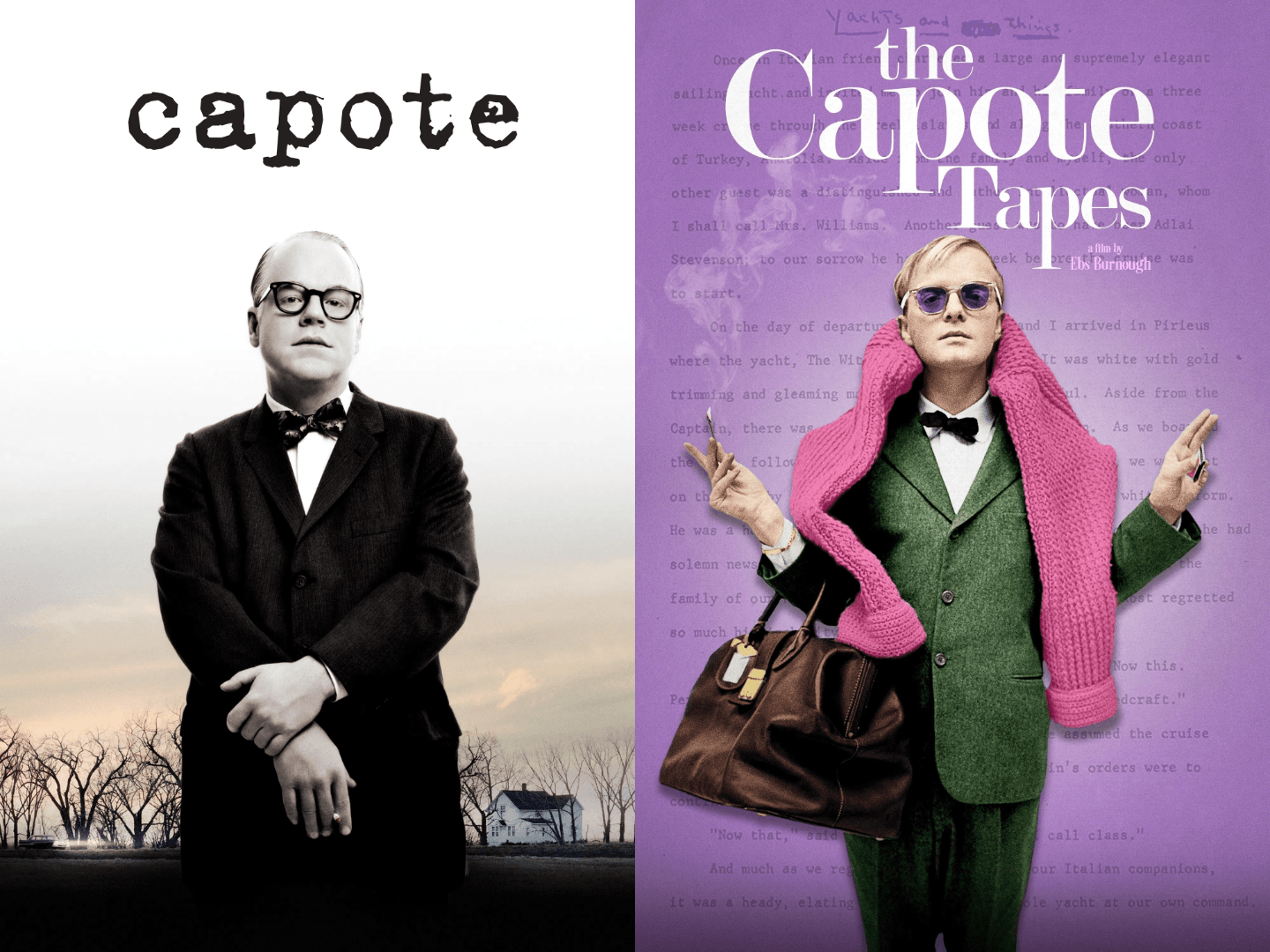 In Capote, Philip Seymour Hoffman delivered a performance so precise it won him the Academy Award for Best Actor. The film focused tightly on Capote during the writing of In Cold Blood, presenting genius as obsession. It was controlled, interior, exacting.
Years later, The Capote Tapes used long-lost audio interviews to sketch a broader portrait of the man behind the voice. Awarded on the festival circuit and critically acclaimed, it expanded the frame. If the biopic dissected a moment, the documentary explored a lifetime. Same subject. Different truths revealed.
When both versions win awards, it tells us something bigger. These aren’t just good stories. They’re stories we can’t stop retelling.
Jim Irving
Author