Why Interstellar Still Hits So Hard
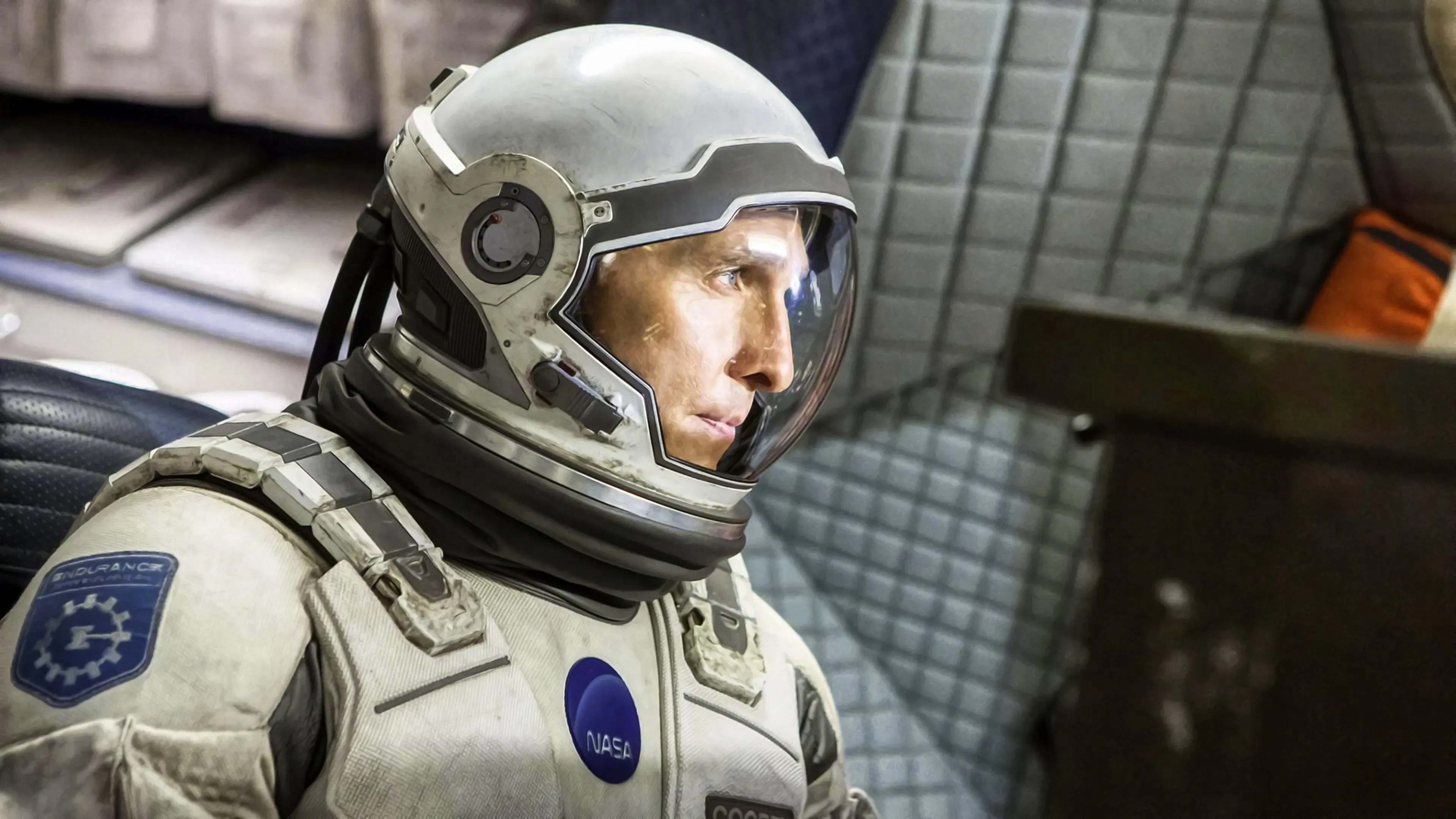
Some films entertain you for a couple of hours. Others stay with you for years, quietly working their way back into your thoughts whenever someone mentions great cinema. Interstellar firmly belongs in that second category. Released in 2014 and directed by Christopher Nolan, the film follows Cooper, played by Matthew McConaughey, a former NASA pilot who joins a desperate mission through a wormhole in search of a new home for humanity as Earth slowly becomes uninhabitable. On the surface it looks like a classic science fiction blockbuster about space travel, black holes and the survival of our species. Yet more than a decade later audiences are still talking about it, still debating its ideas and still tearing up when they watch it again. The reason is surprisingly simple. Beneath the spectacle and the science, Interstellar taps into something deeply human that very few films manage to capture at such scale.
One of the Best Stories in Cinema
 At first glance the story of Interstellar is about humanity searching the stars for survival. Crops are failing, dust storms are swallowing the planet and the future of civilisation looks bleak. But the emotional centre of the film is not the fate of billions of people. It is the relationship between a father and his daughter. Cooper leaves Earth knowing that time will move differently for him than it will for the family he leaves behind, and the possibility that he may never see Murph again becomes the quiet emotional force that drives everything that follows. Nolan carefully builds the narrative so that two stories unfold side by side throughout the film. One story is cosmic in scale and deals with wormholes, distant galaxies and the survival of the species. The other is intimate and painfully personal, focusing on a promise between a father and his child. As the film progresses those two threads slowly tighten and move toward the same destination. By the time they collide in the final act the result is both mind bending and deeply emotional. Few films attempt to balance the vastness of space with the intimacy of family in this way, and even fewer succeed. Interstellar does both with remarkable confidence.
The Science Actually Holds Up
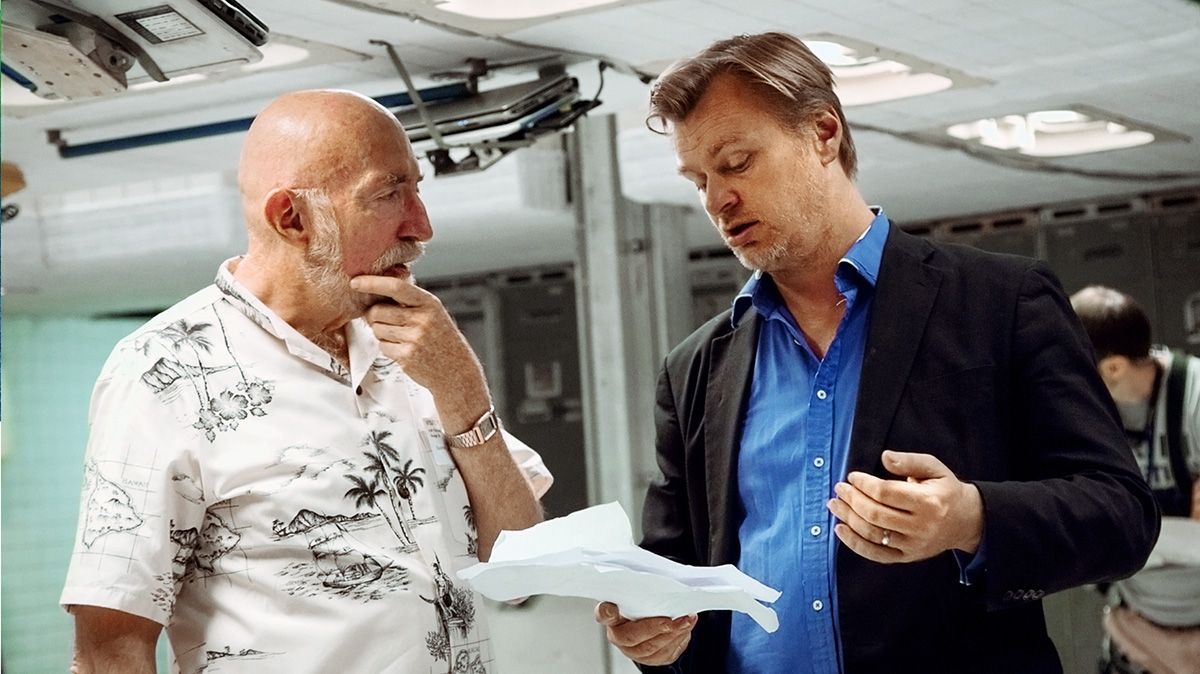 One of the reasons the film feels so grounded despite its enormous ideas is that the science behind it is not simply decorative. Nolan worked closely with theoretical physicist Kip Thorne during the development of the film to ensure that the physics behind its concepts were as realistic as possible within the boundaries of storytelling. Thorne would later win the Nobel Prize in Physics, which gives some indication of the level of expertise involved in shaping the film’s scientific ideas. The collaboration produced something genuinely unusual for a Hollywood production. The visual representation of the black hole Gargantua was so accurate that it led to a peer reviewed scientific paper explaining the rendering of gravitational lensing around black holes. That level of authenticity gives the film a sense of weight that most science fiction simply does not possess. When the characters discuss time dilation, gravity or the bending of space, those ideas are rooted in real theory rather than cinematic imagination. The result is a film that feels intellectually credible while still delivering awe inspiring visuals. It allows the audience to experience genuine scientific concepts through a story that remains emotionally engaging.
Hans Zimmer’s Score Is on Another Planet
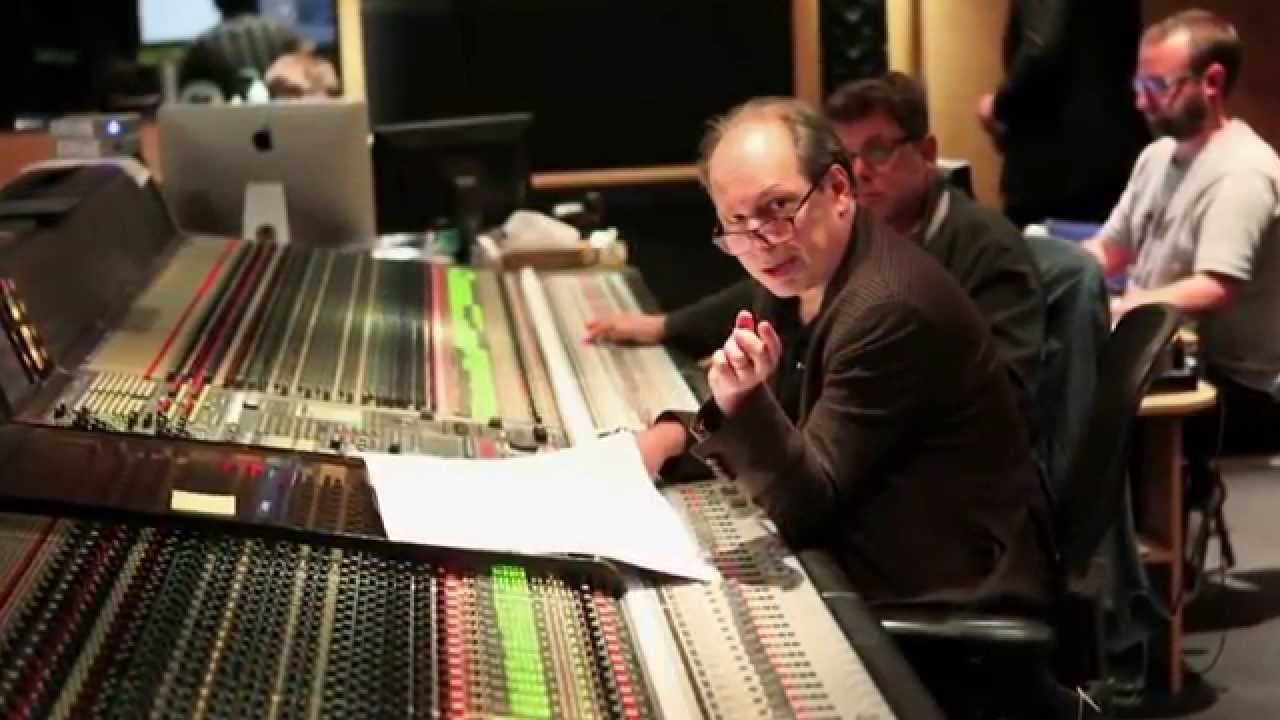 A film of this scale needs music that can carry the emotional weight of its ideas, and the score by Hans Zimmer does exactly that. Instead of relying on a traditional orchestral soundtrack, Zimmer built much of the music around the sound of a massive church pipe organ. The choice gives the score an extraordinary sense of scale while also creating a strangely spiritual atmosphere that perfectly complements the themes of time, space and human connection. The music does not simply accompany the story. It feels like another character within it, guiding the emotional rhythm of the film. Tracks such as “Cornfield Chase” have become instantly recognisable to audiences and are now widely considered among the most iconic pieces of modern film music. When those notes begin to build, viewers immediately remember the sweeping fields of Earth, the vast emptiness of space and the emotional pull of the story. The soundtrack and the film have become inseparable, which is often the mark of truly great cinema.
The Kind of Film You Watch Again and Again
Another reason Interstellar continues to resonate with audiences is its extraordinary rewatch value. Many films deliver their impact once and then slowly fade from memory. This film does the opposite. Each time you return to it you begin to notice small details that were easy to miss the first time. Early moments of dialogue carry new meaning once you understand where the story is heading, and visual elements scattered throughout the film quietly echo the revelations of the final act. Nolan carefully layers the narrative with foreshadowing, symbolism and thematic symmetry, allowing the story to reveal itself in new ways with every viewing. What initially appears to be a straightforward line of dialogue can suddenly feel loaded with meaning once the audience knows how time and space will eventually converge within the story. This kind of narrative depth transforms the experience of watching the film into something closer to discovery, which is why so many viewers find themselves returning to it again and again.
So Is It Actually That Good?
The short answer is yes, and the reason goes beyond the film’s spectacle. Interstellar is one of the rare big budget blockbusters that treats its audience as intelligent participants in the story rather than passive spectators. It delivers breathtaking visual scale designed for the largest cinema screens while also asking profound questions about love, sacrifice, time and humanity’s place in the universe. The film manages to be scientifically ambitious without losing emotional warmth and visually epic without forgetting the human relationships that anchor the narrative. It challenges viewers intellectually while still offering the emotional payoff of a deeply personal story. However someone chooses to define great cinema, whether through storytelling, music, performance or imagination, Interstellar manages to excel on every level. More than a decade after its release it remains a film that audiences continue to revisit, debate and recommend to others, which is perhaps the clearest sign that it truly deserves its place among the greatest movies ever made. 🚀
Stalingrad Dollosa
Author