Why Movies Are Inseparable from Place
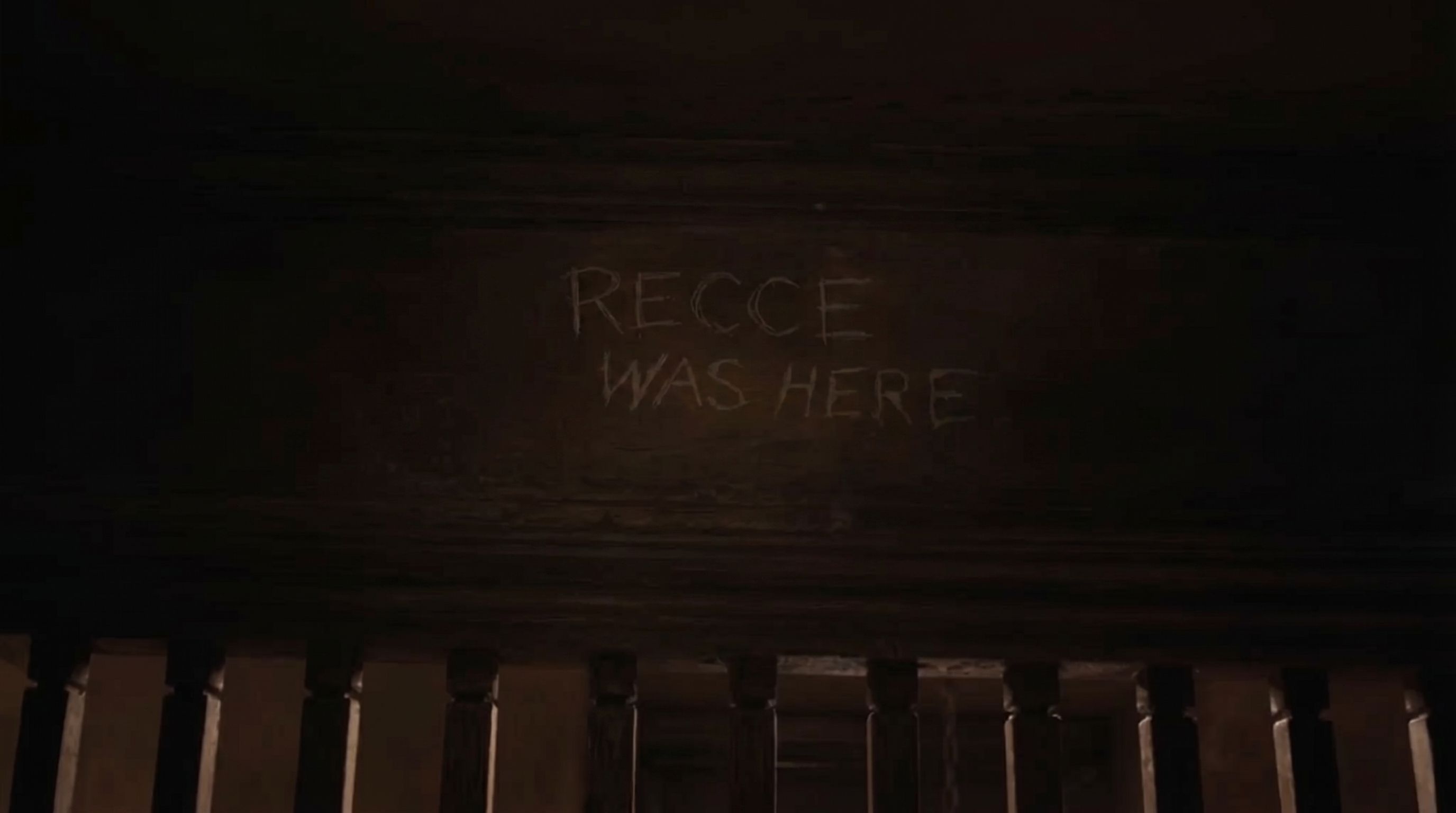
Movies are often praised for their characters, performances, and writing. We follow flawed people, understand their wants and needs, and watch them change. But what often goes unnoticed, at least consciously, is the role of place. A character’s surroundings are not just a backdrop. They shape behaviour, identity, and sometimes even fate. The question is not just who a character is, but where they are, and whether they even realise how much that place defines them.
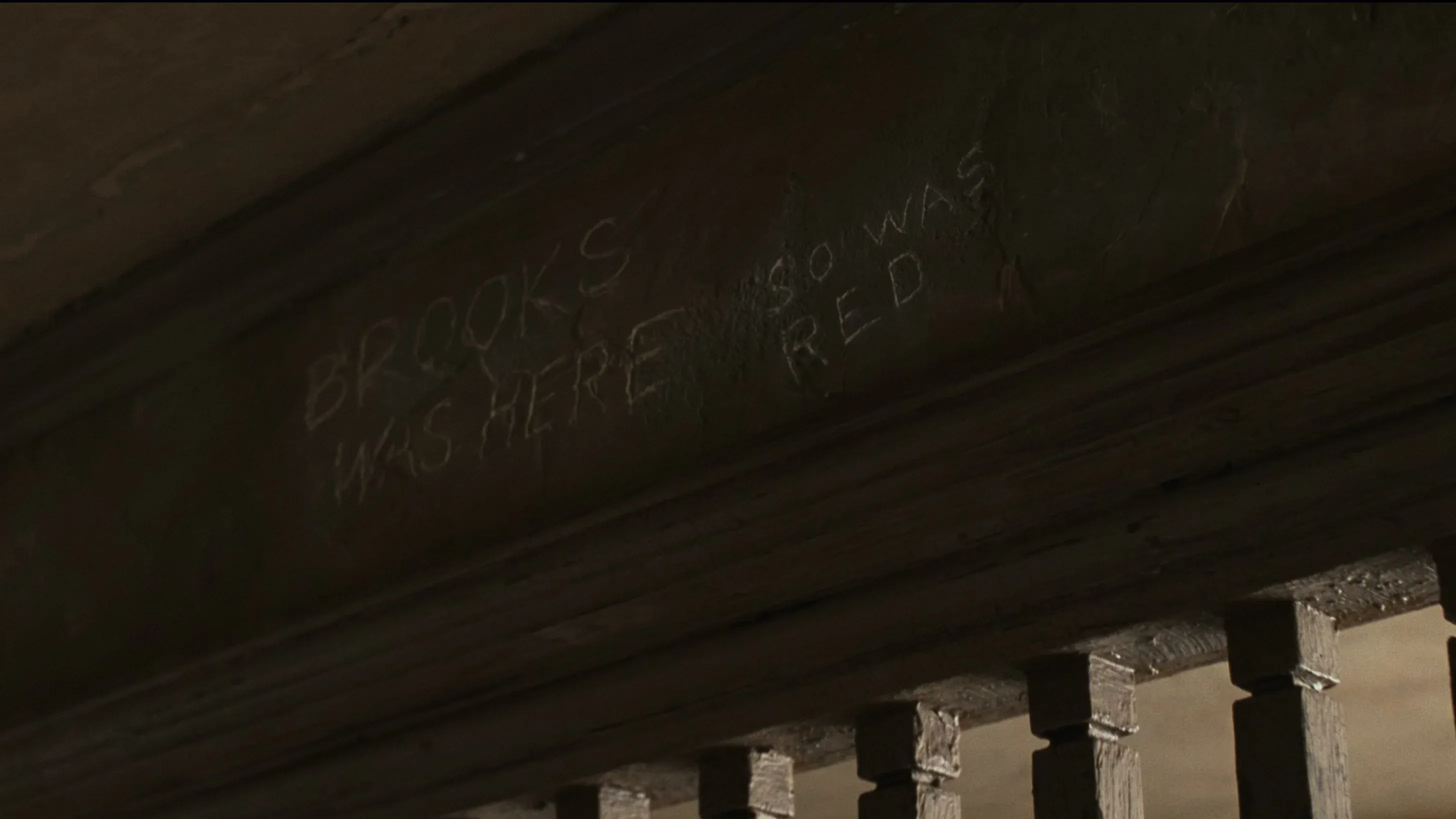 In The Shawshank Redemption, Shawshank prison is more than a setting. It is a force that reshapes the people inside it. Andy Dufresne arrives as an outsider, someone who does not belong, and the film follows his slow adaptation to this confined world. But it is through Brooks Hatlen that the true power of place is revealed. After fifty years inside the same walls, Brooks is released into a world that should represent freedom. Instead, it feels alien. The outside is unfamiliar, overwhelming, and ultimately unlivable for him. The tragedy is not his time in prison, but that prison has become the only place where he can exist. His identity is inseparable from Shawshank, and once removed from it, he has nothing left to anchor him.
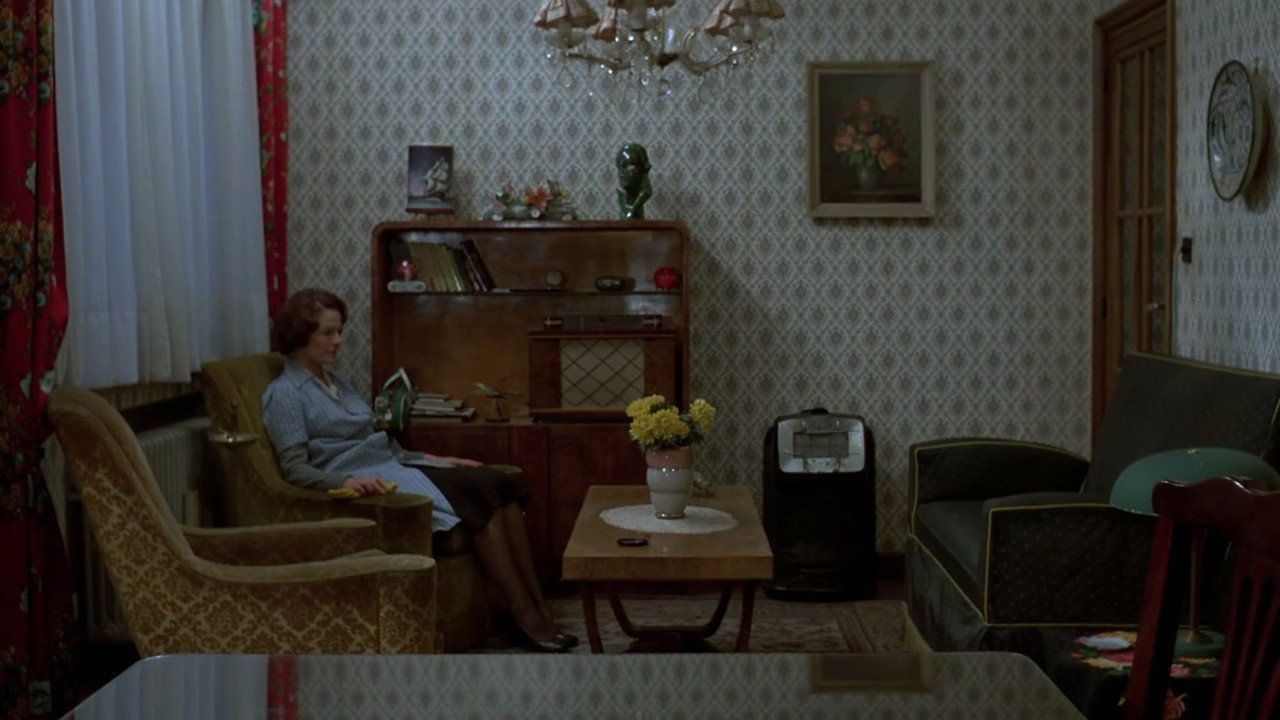 Jeanne Dielman, 23, quai du Commerce, 1080 Bruxelles takes this idea even further by stripping away almost everything except place itself. The film is built on repetition. Jeanne wakes up, cooks, cleans, shops, and repeats the same routine day after day. On the surface, it is mundane to the point of boredom, but that is precisely the point. The apartment is not just where Jeanne lives, it dictates how she lives. Every action is tied to a specific space, every movement confined within a rigid structure. The plainness of the environment reflects her internal state, but it also enforces it. Without this space, the film does not function. It is not just that Jeanne exists in this environment, but that the
environment creates Jeanne.
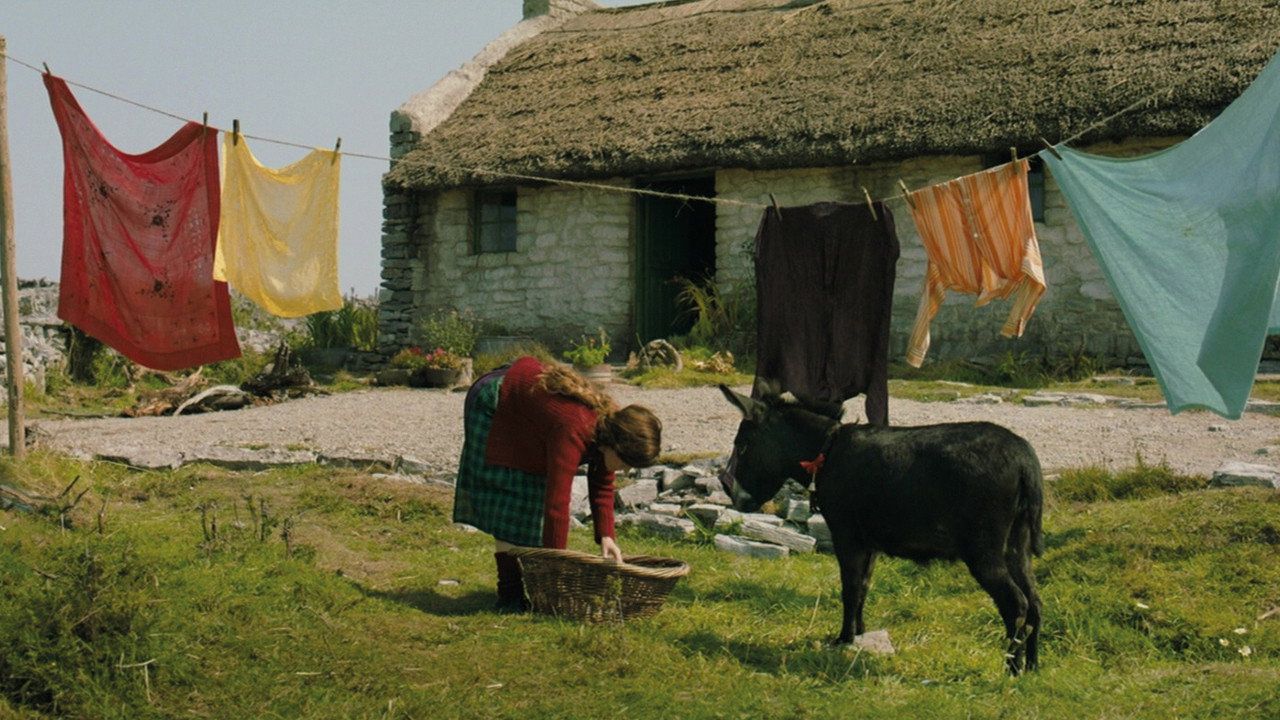 In The Banshees of Inisherin, the isolated island setting shapes the characters in a different way. The small, enclosed world means there is no escape from conflict, no distraction, and no sense of anything beyond the immediate surroundings. The characters exist within a limited space where everything and everyone is within reach. This isolation amplifies even the smallest disagreements, turning them into something far more significant. There is a sense that life on the island has always been this way and always will be. The place traps the characters, not physically, but mentally. Their world is so small that it defines the limits of their thinking, their relationships, and their ability to change.
Across these films, place is not passive. It is active, shaping who these characters are and what they become. Whether it is the institutional walls of a prison, the suffocating routine of an apartment, or the isolation of an island, environment dictates behaviour in ways that characters themselves may not even recognise. This is why movies are inseparable from place. Remove the setting, and you do not just lose the backdrop, you lose the character.
Peter Hall
Author