Madden Is Too Big for the Sofa

Nicolas Cage is playing John Madden. Christian Bale is playing legendary Raiders owner Al Davis. David O. Russell is directing. Kathryn Hahn, Sienna Miller, John Mulaney and Shane Gillis are all involved. On paper, Madden sounds exactly like the sort of big, glossy, star-driven American sports movie that should arrive in cinemas with dramatic trailers, Oscar chatter and several months of Nicolas Cage explaining American football to British interviewers. Instead, most people will watch it at home.
Madden gets a limited US theatrical release on 11 November 2026, primarily to qualify for awards, before arriving globally on Prime Video just one week later on 18 November. There is no wide theatrical rollout planned. Which feels slightly extraordinary when you consider the talent involved and the story being told.
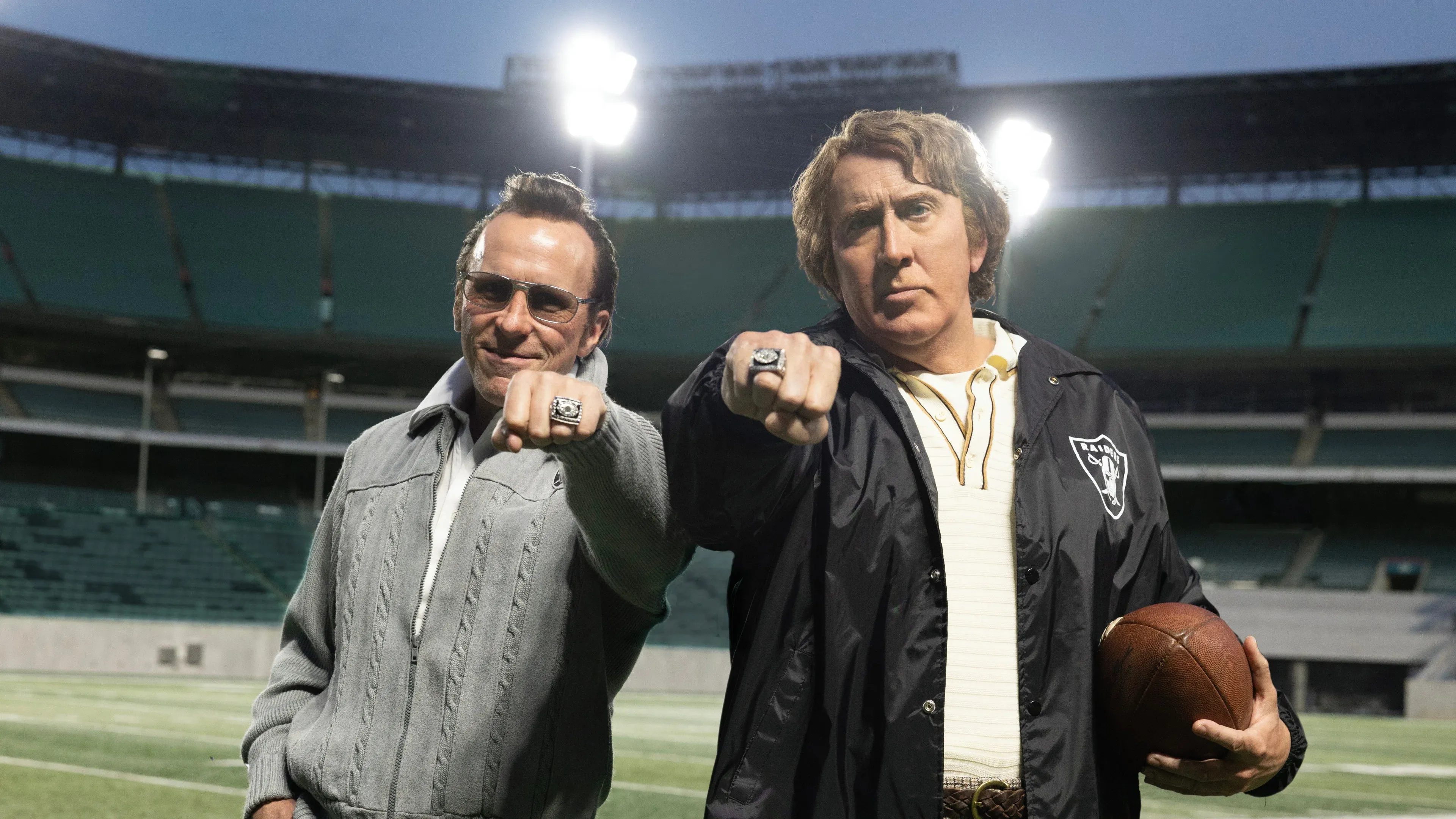 The film follows Madden from his time coaching the Oakland Raiders alongside the famously combative Al Davis, through his transformation into one of American sport’s most recognisable broadcasters and eventually the face of a video-game series that became bigger than almost anyone involved could have imagined. Madden won Super Bowl XI with the Raiders, became a television institution after retiring from coaching and then lent his name and expertise to the EA Sports franchise that introduced generations of people to American football.
In other words, this is not an obscure little character study. It is almost ridiculously cinematic.
You have the Raiders of the 1970s, one of sport’s most colourful teams. You have Madden himself, a huge personality who seemed physically incapable of being boring. You have Al Davis, played by Christian Bale, which presumably means Bale has once again transformed himself into someone you would not recognise if he sat next to you on a bus. Then you have Cage, an actor who has rarely encountered the phrase “larger than life” and thought it sounded excessive. And yet Amazon MGM has looked at all of that and decided the main destination is your sofa.
That may tell us more about the state of movies than anything in the film itself. There was a time when Cage plus Bale plus an Oscar-nominated director would have automatically meant cinemas. Now streaming services increasingly treat films as premium reasons to subscribe rather than products that need months on the big screen. Amazon has not publicly explained why Madden is avoiding a nationwide theatrical release, although Russell’s previous film Amsterdam was an expensive box-office disappointment.
From Amazon’s perspective, the logic is obvious. Launch Madden just before Thanksgiving, put it directly in millions of homes and suddenly you have the perfect post-football family movie sitting one click away. Why spend tens of millions persuading audiences to leave the house when you already own the screen they are watching? But something still feels slightly odd.
 Sports movies are communal by nature. Crowds roar, coaches shout, players collide and the whole genre is built around shared tension. Rocky, Moneyball, Ford v Ferrari and The Blind Side all benefited from feeling bigger than television. A story about John Madden, of all people, should probably sound enormous.
Perhaps Madden will be brilliant on Prime Video. It may even reach far more people there than it ever would in cinemas. But if a film starring Nicolas Cage and Christian Bale, directed by David O. Russell and built around one of the biggest personalities in American sport is now considered mainly a streaming release, then the definition of a “cinema movie” has clearly changed.
And Madden may be the clearest sign yet.
Jim Irving
Author