Ali G Is Back. Is 2026 Ready for Him?
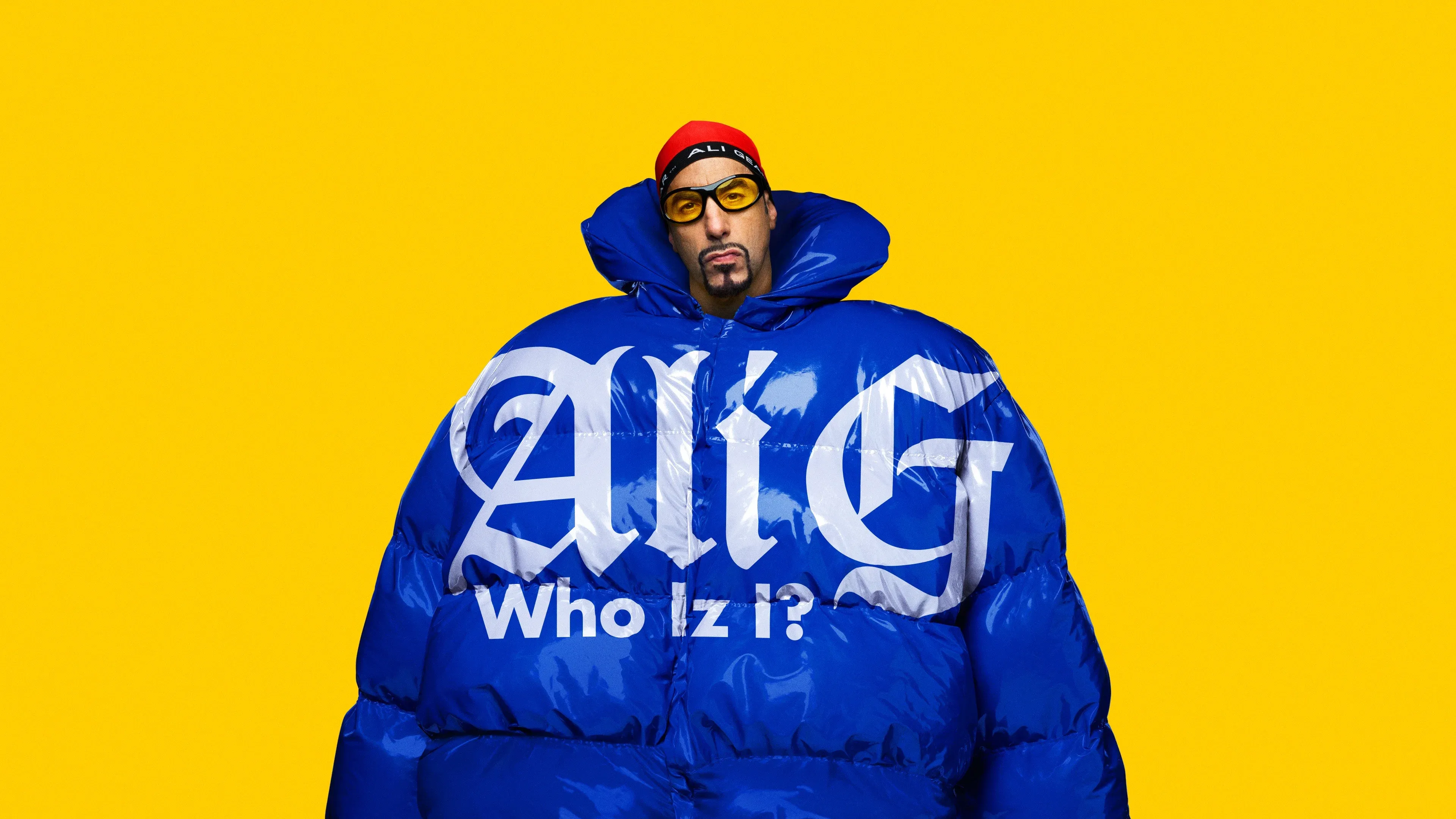
Ali G has returned after more than 20 years away, which is either very funny, very brave or the sort of decision that normally ends with several emergency meetings.
Probably all three.
Ali G: Who Iz I? opened in cinemas on 23 October before heading to Prime Video on 30 October, with Sacha Baron Cohen reviving the character that first made him famous at the end of the 1990s. The tracksuit is back. The swagger is back. The spectacular confidence despite almost complete ignorance is definitely back. The difference is that the world Ali G has returned to is almost unrecognisable from the one he left.
That matters because Ali G’s original trick depended on something that now feels almost impossible: people not knowing who he was. Politicians, academics and public figures sat down with him believing they were being interviewed by a genuine television host, then found themselves trying to answer questions that became increasingly ridiculous. The comedy came from the gap between Ali’s stupidity and their seriousness, with Cohen staying so completely in character that the person opposite him often kept going long after common sense suggested they should leave the room.
In 2026, everybody has Google. Everybody has a phone. Everybody has seen everybody else. And yet Cohen somehow managed to make another film in secret.
That alone is impressive. The new film again mixes scripted material with encounters involving people who do not always realise what they are part of, while Morgana Robinson joins as Julie. The bigger idea, though, is not simply whether Cohen can still fool people. It is whether Ali G himself can survive the culture he helped create.
Because Ali G is deliberately outdated. That is now part of the joke.
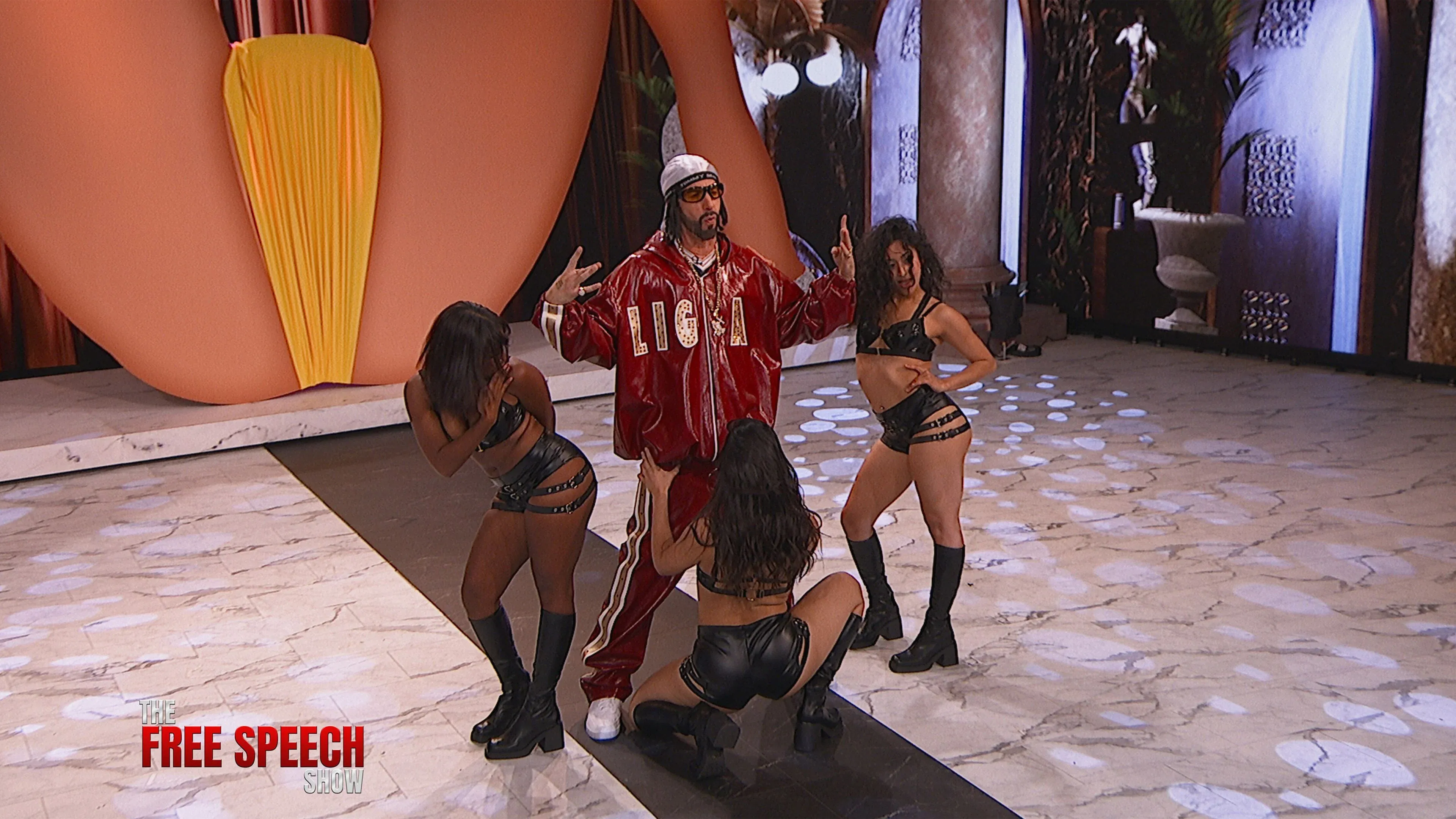 Baron Cohen has openly argued that the character’s dated, problematic nature is precisely why he brought him back. Ali is still a delusional white man borrowing language, fashion and attitude from cultures he barely understands, and Cohen’s defence has always been that the target is Ali himself, along with the establishment figures willing to take him seriously. The problem is that satire does not come with instructions attached. Plenty of viewers now look at the character and see not a parody of appropriation and ignorance, but simply appropriation and ignorance.
That tension may actually be the most interesting thing about his return.
Comedy has changed enormously since Da Ali G Show. Social media removes context, outrage travels faster than jokes and a character designed to make people uncomfortable now arrives in a world permanently uncomfortable about almost everything. Cohen knows this. The film reportedly leans directly into Ali being called outdated, offensive and “cancelled”, rather than pretending he has simply stepped out of 2002 unchanged.
Whether it works is another matter. Early critical reaction has been sharply divided, with some questioning whether a character built for a different cultural moment can still deliver the same satirical punch. That almost feels inevitable.
Ali G used to expose people who did not realise they were in on the joke. Now the joke may be whether Ali G himself still belongs in the room.
Respek.
Jim Irving
Author