DC Just Made a Batman Movie Without Batman

For years, Hollywood’s superhero strategy has been fairly simple: if something is working, add Batman. If it is not working, definitely add Batman. Which makes Clayface rather interesting.
DC has taken one of Batman’s strangest villains, given him his own 18/R-rated body-horror movie and, crucially, resisted the temptation to make Batman the main attraction. That may sound like a small creative choice, but after more than a decade of cinematic universes built around constant crossovers, cameos and increasingly elaborate reminders that everything is connected, it feels almost rebellious.
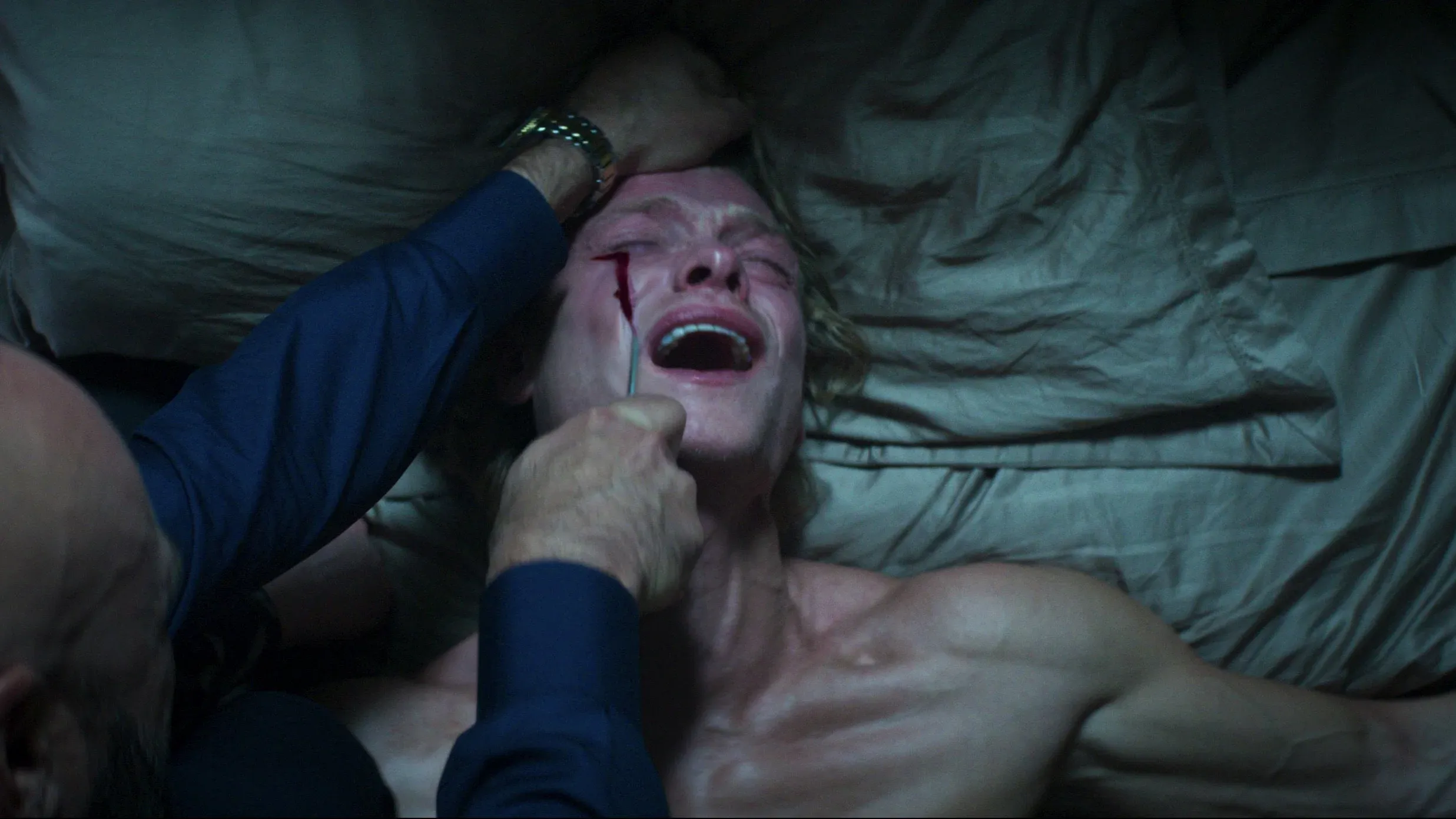 Clayface stars Tom Rhys Harries as Matt Hagen, an actor whose life is transformed after a horrific accident leaves him able to reshape his body and appearance. The character has existed in various forms since the 1940s, but rather than treating him as another supervillain waiting around for Batman to punch, the new film leans heavily into horror. James Watkins directs, Mike Flanagan developed the story, and the result is being positioned less like a conventional comic-book blockbuster and more like a tragic monster movie set inside Gotham.
That is the clever bit.
Because Gotham has always been bigger than Batman. It is a city full of corruption, gangsters, freaks, broken people and genuinely terrible urban planning. The best Batman stories work partly because Gotham itself feels alive, which means there is no obvious reason every film set there has to revolve around Bruce Wayne. If Marvel can make films about obscure cosmic characters and talking raccoons, DC can probably survive one evening without the billionaire in the cape.
There is also something refreshing about the scale of the idea. Superhero movies spent years getting bigger because everyone assumed bigger automatically meant better: more characters, more dimensions, more explosions, more portals opening above cities. Eventually, audiences began showing signs that perhaps they did not need every film to feel like the final round of a very expensive video game. Clayface goes the other way.
Body horror is intimate. It is about identity, fear, disgust and losing control of your own body, which fits the character perfectly and gives DC a chance to make something with an actual genre personality rather than simply another chapter in a wider corporate plan. If Clayface feels genuinely unsettling, strange and tragic, audiences may stop asking where Batman is after about ten minutes.
 The risk, obviously, is that Batman is still the reason most people know Clayface exists. That makes this a useful test for James Gunn and Peter Safran’s new DC era. Can familiar worlds support unfamiliar stories? Can villains become protagonists without immediately turning into misunderstood antiheroes? Can a comic-book film succeed because it is a horror film first and a franchise product second?
If the answer is yes, the possibilities become much more interesting. DC has spent decades building one of fiction’s richest collections of characters, and perhaps it does not need Batman in every room.
Sometimes Gotham should be allowed to get weird on its own.
Jim Irving
Author