Patrick Stewart: A Life Boldly Lived
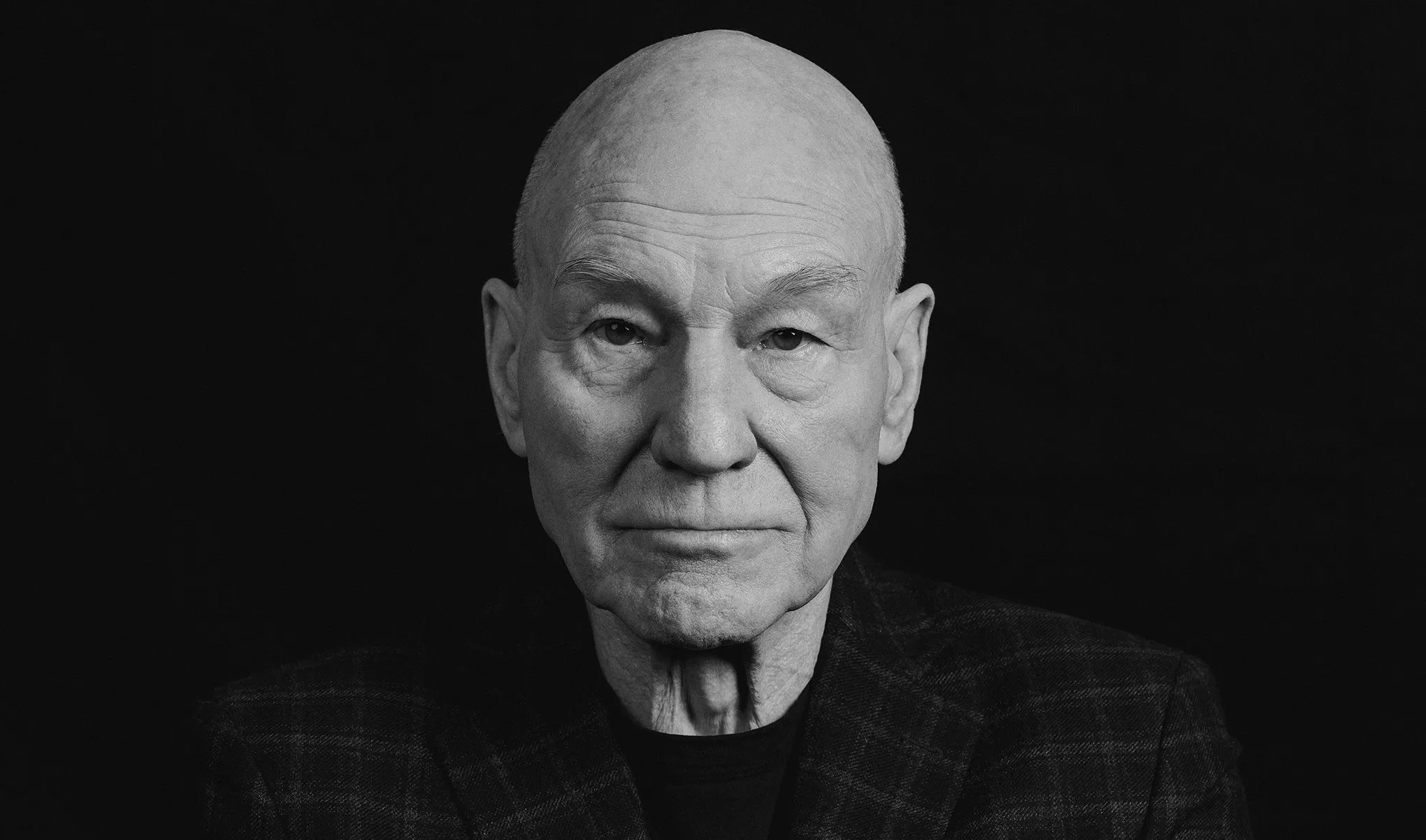
Some actors become famous for the characters they play. Others become so deeply loved that those characters feel like old friends. Sir Patrick Stewart, who has died aged 86, was one of those rare performers who managed to do both.
For generations of television and cinema audiences, he was Captain Jean-Luc Picard, the wise, thoughtful and wonderfully commanding captain of the USS Enterprise. For another generation, he was Professor Charles Xavier, the compassionate father figure of the X-Men. But behind those two extraordinary characters was a remarkable man whose journey from a working-class Yorkshire childhood to international stardom was every bit as compelling as the stories he helped bring to life.
Born in Mirfield, West Yorkshire, in 1940, Stewart's early years were far from easy. Growing up in a household troubled by domestic violence, he found refuge in literature and acting, discovering Shakespeare at school. It would become a lifelong passion, eventually taking him to the Royal Shakespeare Company, where he spent years mastering his craft and establishing himself as one of Britain's finest classical actors.
And then, rather unexpectedly, Hollywood came calling.
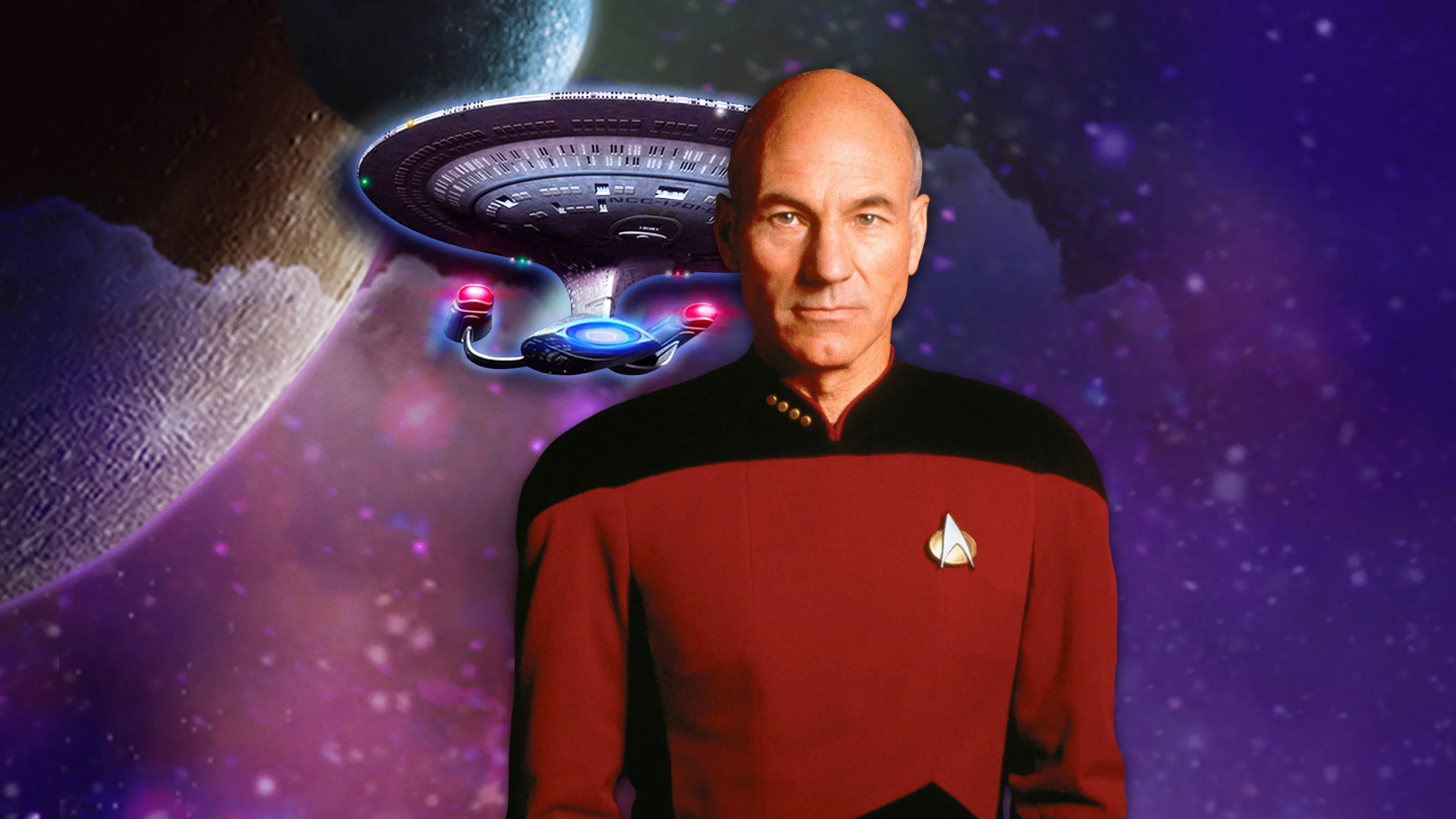 In 1987, at the age of 47, Stewart took command of the Enterprise in Star Trek: The Next Generation. It was a role that would change his life forever. Following William Shatner's charismatic Captain Kirk was no small challenge, but Stewart created something entirely different. Picard wasn't a swaggering adventurer. He was a philosopher, a diplomat and a leader who believed that intelligence and compassion were every bit as powerful as a photon torpedo.
With that magnificent voice, commanding presence and the occasional perfectly raised eyebrow, Stewart made Picard one of television's greatest characters. Seven seasons, four films and the later Star Trek: Picard series cemented a legacy that stretched across nearly four decades.
Then came another extraordinary chapter.
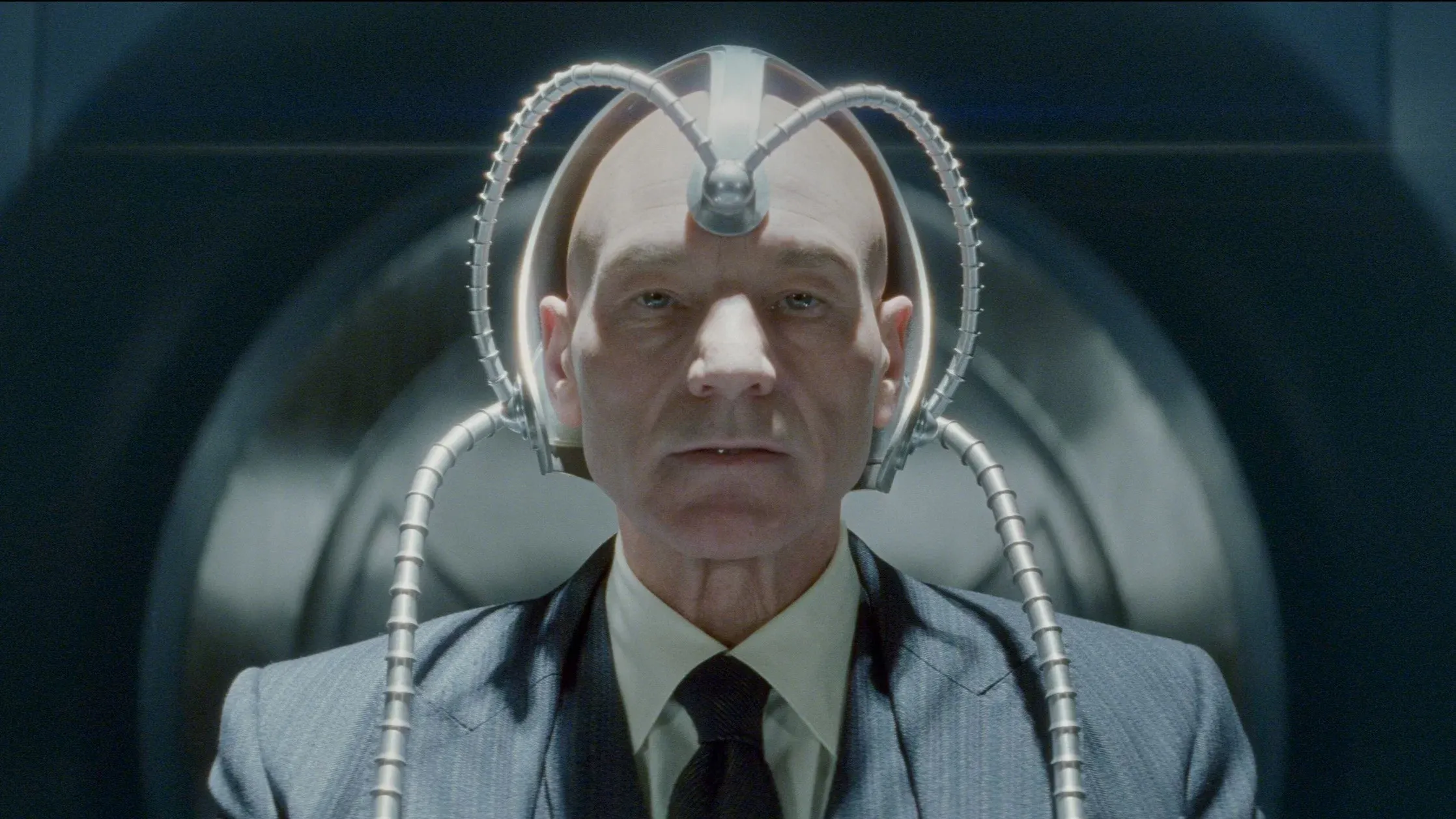 In 2000, Stewart became Professor Charles Xavier in X-Men, bringing gravitas, warmth and quiet authority to a superhero franchise that would help transform modern cinema. His relationship with Ian McKellen's Magneto became one of the series' great pleasures, made even more enjoyable by the pair's wonderful real-life friendship. Their affectionate public appearances, playful photographs and obvious delight in each other's company revealed a side of Stewart that audiences increasingly adored.
And what a wonderfully varied career it was. From acclaimed Shakespearean performances, including a celebrated Macbeth, to the chilling thriller Green Room, the festive magic of A Christmas Carol and his delightfully unexpected comedy appearances, Stewart was never afraid to surprise us.
Beyond acting, he was a passionate advocate for survivors of domestic abuse, drawing on his own painful childhood to help others. It was perhaps the clearest demonstration that the compassion he brought to his most famous characters was not simply a performance.
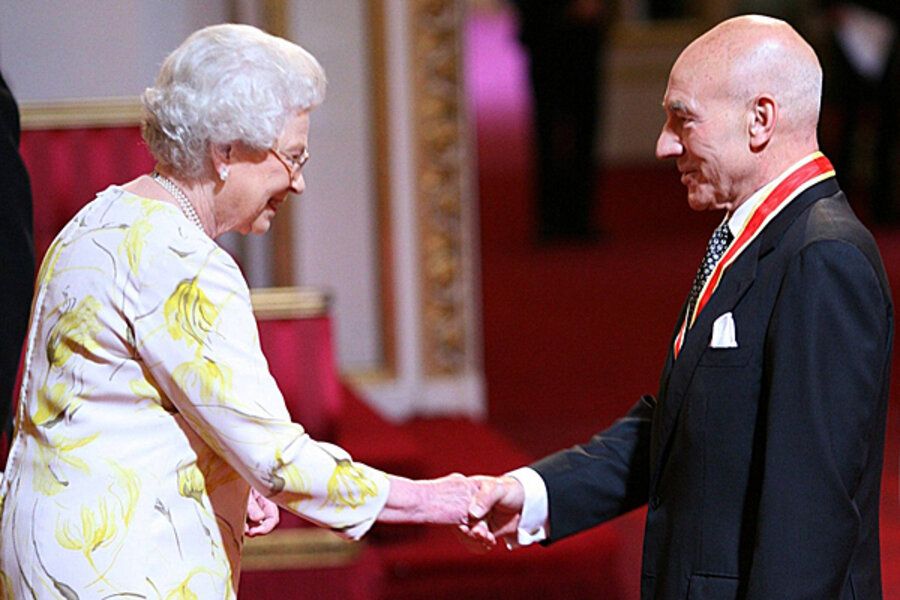 Knighted in 2010, Stewart remained remarkably humble about his achievements. His passing, following Alzheimer's disease and Lewy body dementia, brings an extraordinary career to a close, but leaves behind something much greater than a collection of unforgettable performances.
He gave us heroes who believed in decency, intelligence, tolerance and the possibility of a better world. At a time when those qualities can sometimes feel in short supply, that seems an especially beautiful legacy.
The captain may have left the bridge, but his extraordinary journey will continue to inspire generations. Thank you, Sir Patrick. For the stories, the humanity and the memories.
Make it so.
Jim Irving
Author