Quentin Tarantino: Nine Down, One to Go
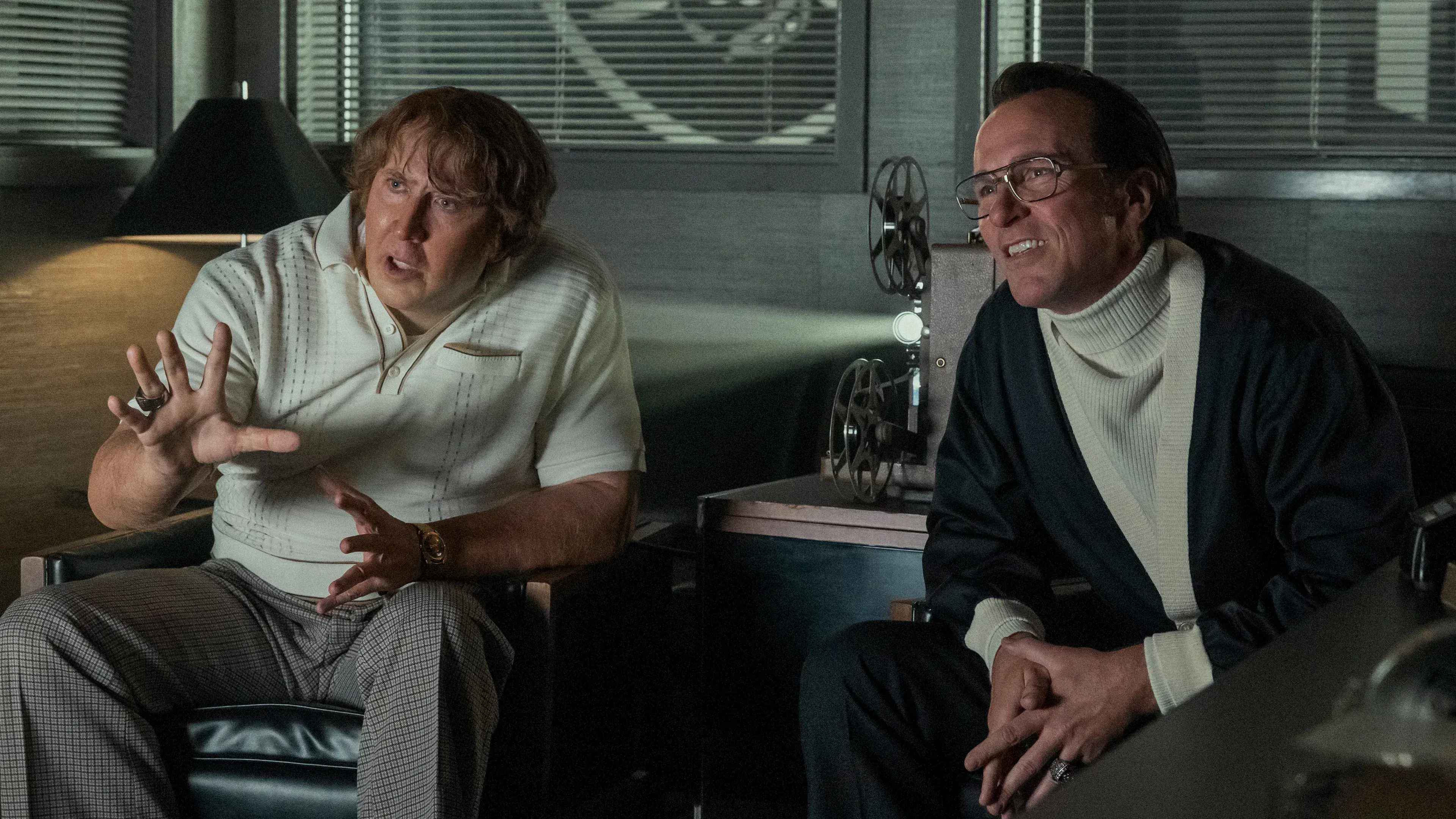
Quentin Tarantino has written another movie. Brad Pitt is starring in it. It's a sequel to one of his biggest hits, and it's heading to IMAX cinemas on 25 November 2026 before arriving on Netflix on 23 December. There's just one rather significant detail. Quentin Tarantino isn't directing it.
Instead, the director's chair for The Further Mis-Adventures of Cliff Booth belongs to David Fincher, the man behind Seven, Fight Club, Zodiac and The Social Network. It's a collaboration that sounds like something dreamed up during a particularly enthusiastic late-night conversation between film geeks. Tarantino's dialogue, Fincher's precision, and Brad Pitt returning as the effortlessly cool stuntman from Once Upon a Time in Hollywood. What could possibly go wrong?
The story picks up in 1977, eight years after the events of the original film, with Cliff Booth now operating as a Hollywood fixer, dealing with the sort of problems that don't usually make it into studio press releases. Murder, blackmail, extortion and presumably plenty of people who deserve a good punch. It's Tarantino territory, but through Fincher's distinctly darker lens.
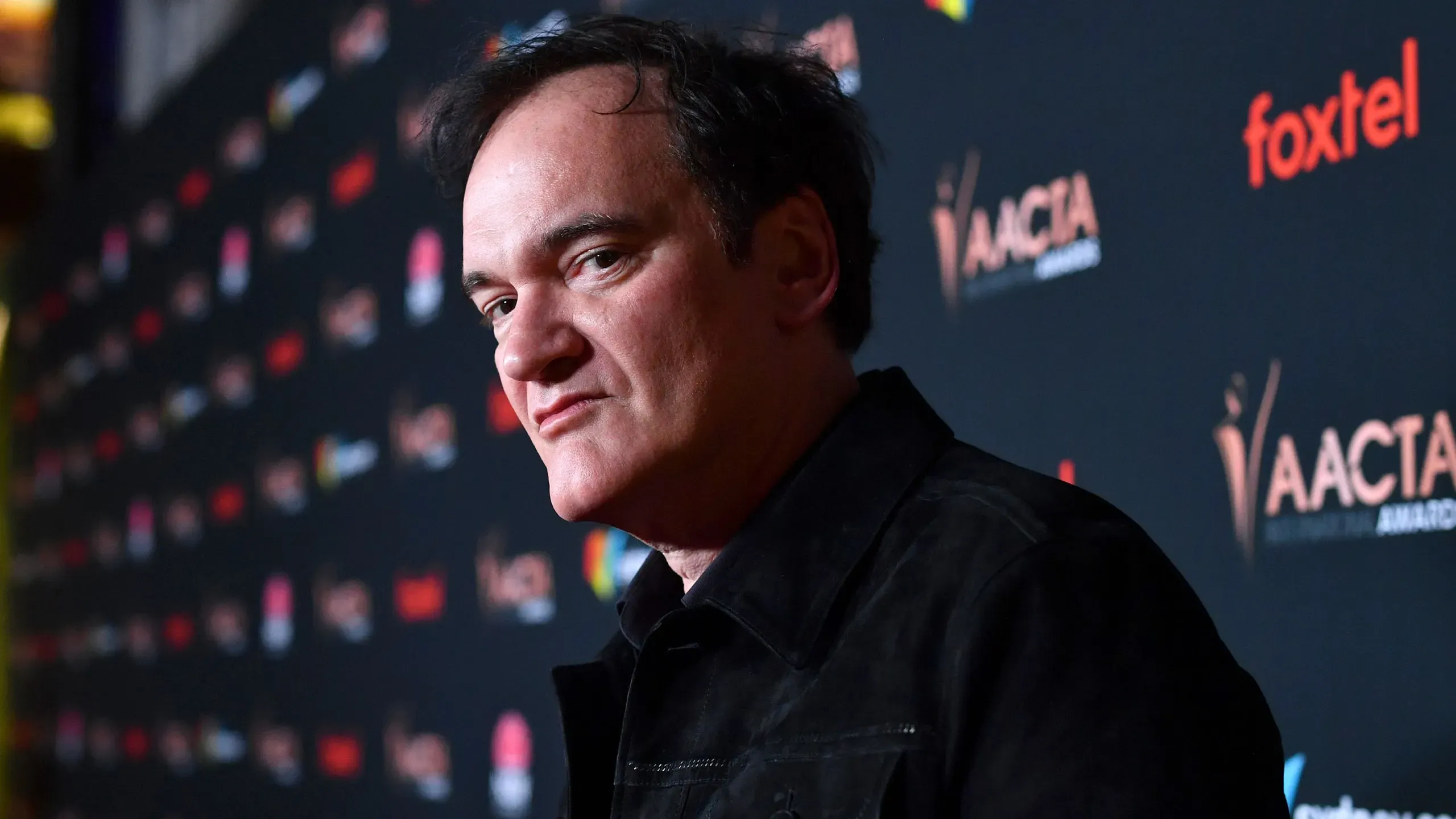
But the really interesting story isn't what's happening on screen. It's what's happening behind the camera. Because Tarantino has spent years insisting he'll direct just ten films before retiring, and by his own peculiar arithmetic, he's currently sitting on nine. So why hand a potentially brilliant tenth film to somebody else?
The Ten-Film Rule: Genius or Hollywood Madness?
Tarantino has long argued that filmmakers should know when to leave the party. His reasoning is simple enough. Too many great directors continue working long after their creative peak, producing increasingly disappointing films that dilute otherwise extraordinary careers. He wants to go out on top, leaving audiences wanting more rather than wondering why he didn't retire five films earlier.
It's a fascinating philosophy, particularly in an industry where successful directors are encouraged to keep producing until someone physically removes their cameras. There is, however, one slightly inconvenient problem. Tarantino's definition of ten films involves some creative accounting. He considers Kill Bill: Volume 1 and Volume 2 a single movie, despite their separate theatrical releases. He also doesn't include his contributions to Four Rooms or Sin City. By conventional counting, he's already directed ten feature releases. By Quentin's rules, he's still got one bullet left in the chamber.
His proposed finale, The Movie Critic, was abandoned after considerable development. Now he's written another screenplay and handed it to Fincher, apparently deciding that revisiting Cliff Booth wasn't how he wanted to finish his directing career. The search for that perfect final film continues. Which makes this the perfect opportunity to revisit the extraordinary nine-film career he's so determined to protect.
Nine Films. Three Decades. An Awful Lot of Blood.
1. Reservoir Dogs
(1992)
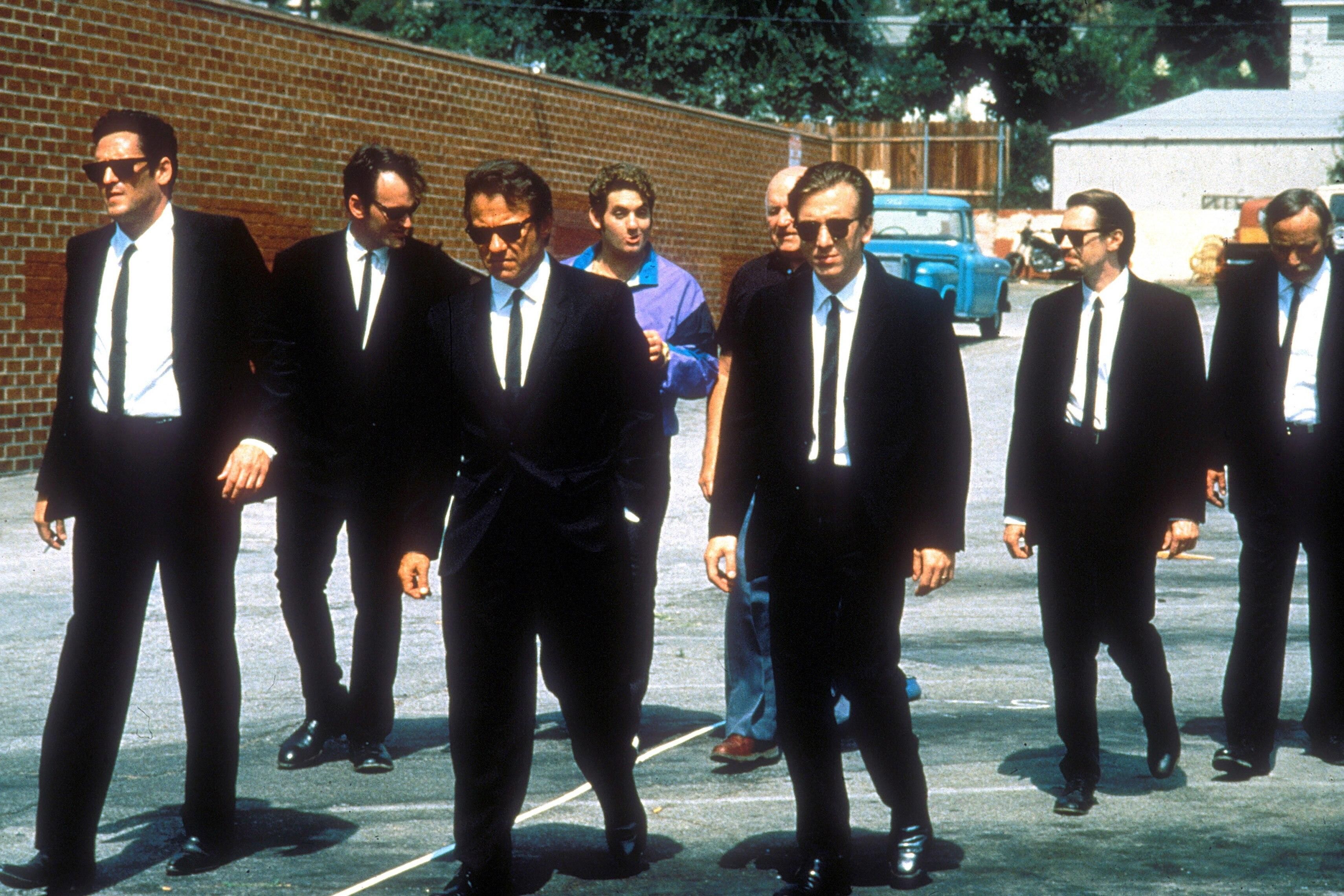 The debut that announced Tarantino wasn't interested in following anyone else's rules. A jewellery heist goes spectacularly wrong, but rather than show us the robbery, he concentrates on the criminals tearing each other apart afterwards. Sharp dialogue, unforgettable characters and an infamous torture scene set to an absurdly cheerful soundtrack. Made for around $1.2 million, it remains one of cinema's greatest calling cards.
2. Pulp Fiction
(1994)
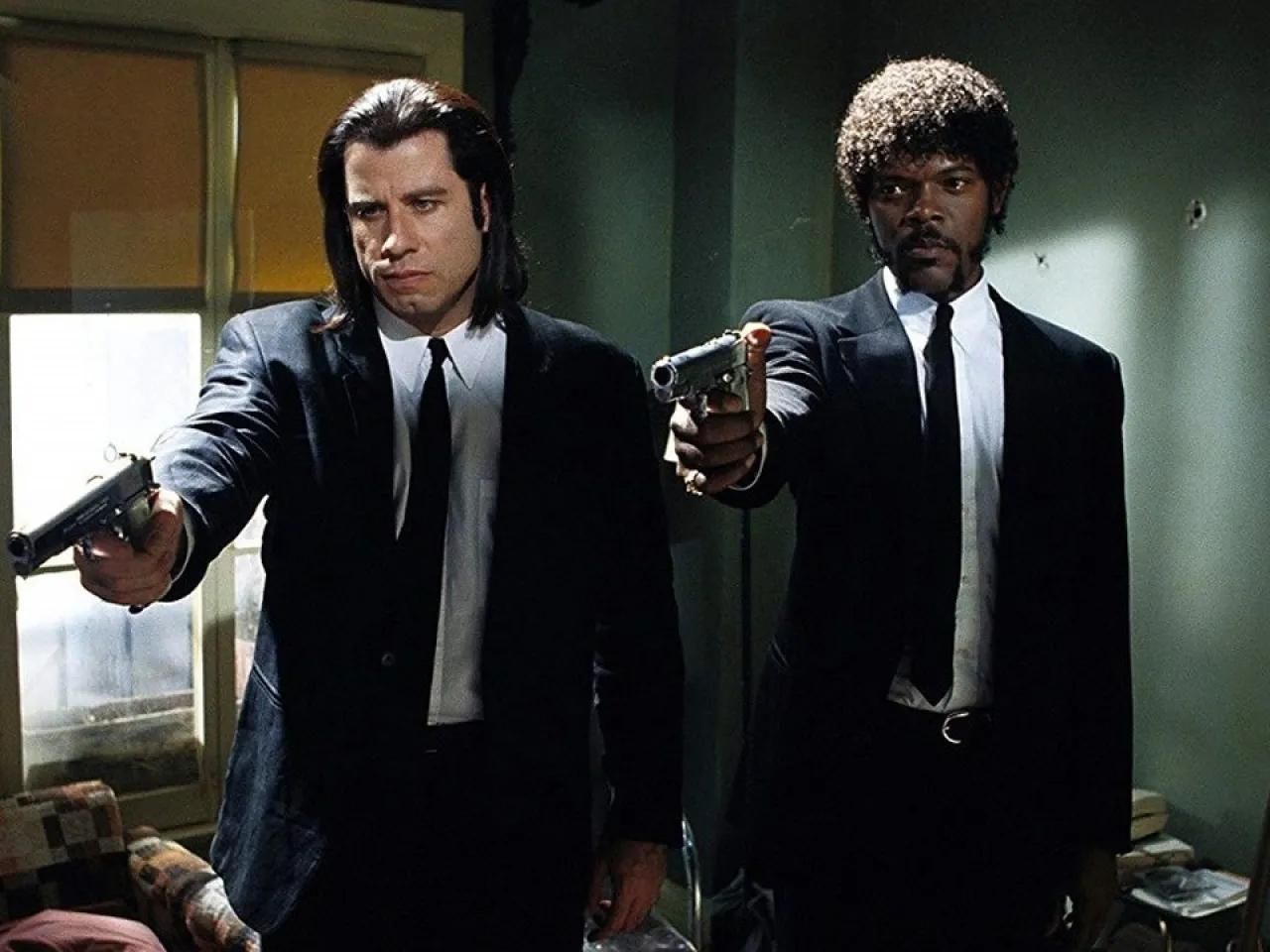 The masterpiece that changed everything. Gangsters discussing cheeseburgers, a hitman contemplating divine intervention, and John Travolta dancing his way back into Hollywood superstardom. Its fractured storytelling felt revolutionary, its soundtrack became essential listening, and almost every aspiring filmmaker spent the next decade trying to imitate it. Few succeeded. If Tarantino had stopped here, he'd already have secured his place in film history.
3. Jackie Brown
(1997)
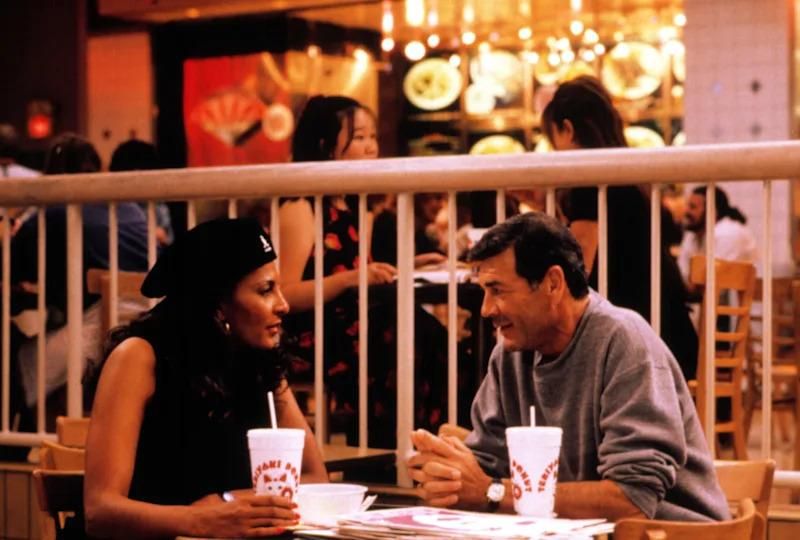 Perhaps his most underrated achievement. Adapted from Elmore Leonard's Rum Punch, this is Tarantino at his most restrained and mature. Pam Grier is wonderful as an airline stewardess caught between criminals and federal agents, while Robert Forster delivers a beautifully understated performance. Less flashy than Pulp Fiction, but arguably richer in character and emotion. Proof that Tarantino could create tension without constantly reaching for a gun.
4. Kill Bill
(2003–2004)
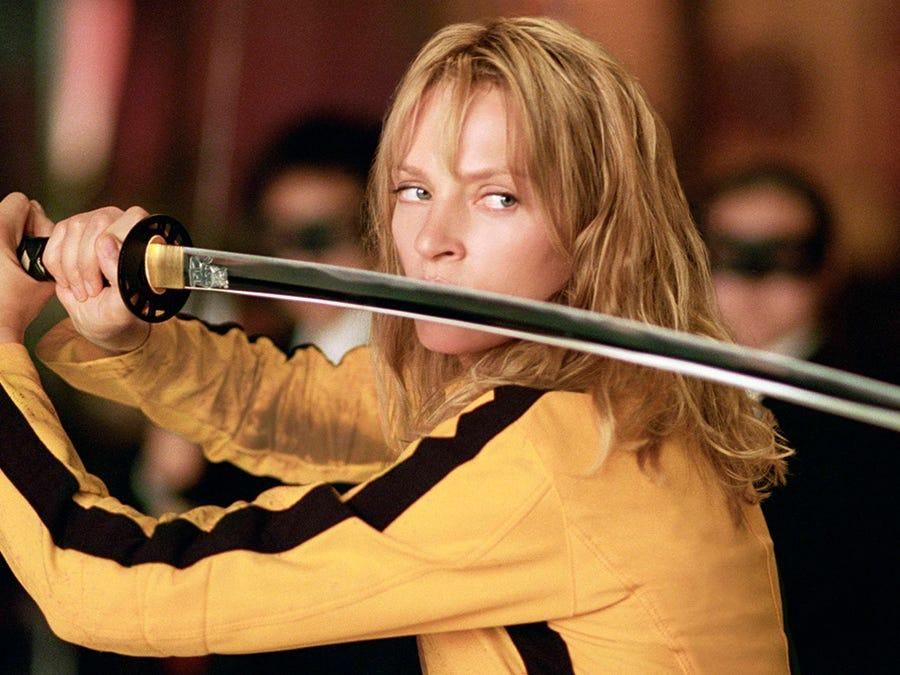 Two films, one revenge story, and enough cinematic references to fill a film studies degree. Uma Thurman's Bride cuts her way through an extraordinary collection of enemies in a glorious mash-up of martial arts, spaghetti westerns, anime and exploitation cinema. Volume 1 delivers breathtaking action, particularly the House of Blue Leaves showdown, while Volume 2 slows down to explore the characters. Together they're excessive, ridiculous and frequently magnificent.
5. Death Proof
(2007)
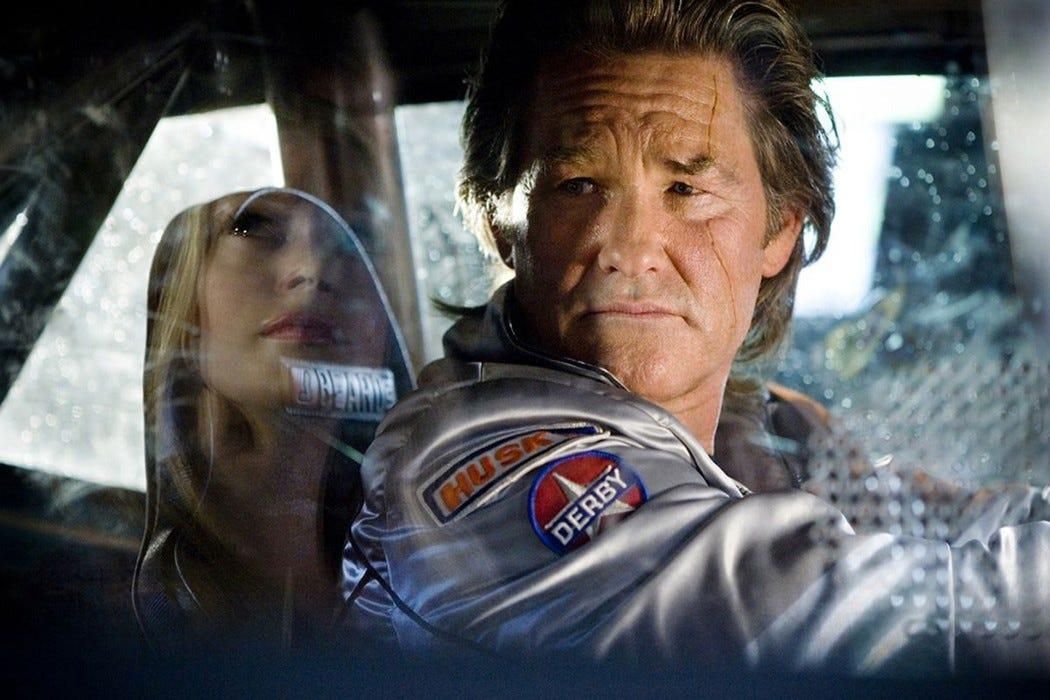 Even geniuses have their indulgences. Tarantino's contribution to the Grindhouse double feature celebrates the cheap exploitation movies he grew up loving, with Kurt Russell playing a murderous stuntman who uses his car as a weapon. There's some terrific stunt work and a thrilling final chase, but getting there requires considerable patience. It's arguably his weakest film, although his weakest is still more interesting than plenty of directors' best.
6. Inglourious Basterds
(2009)
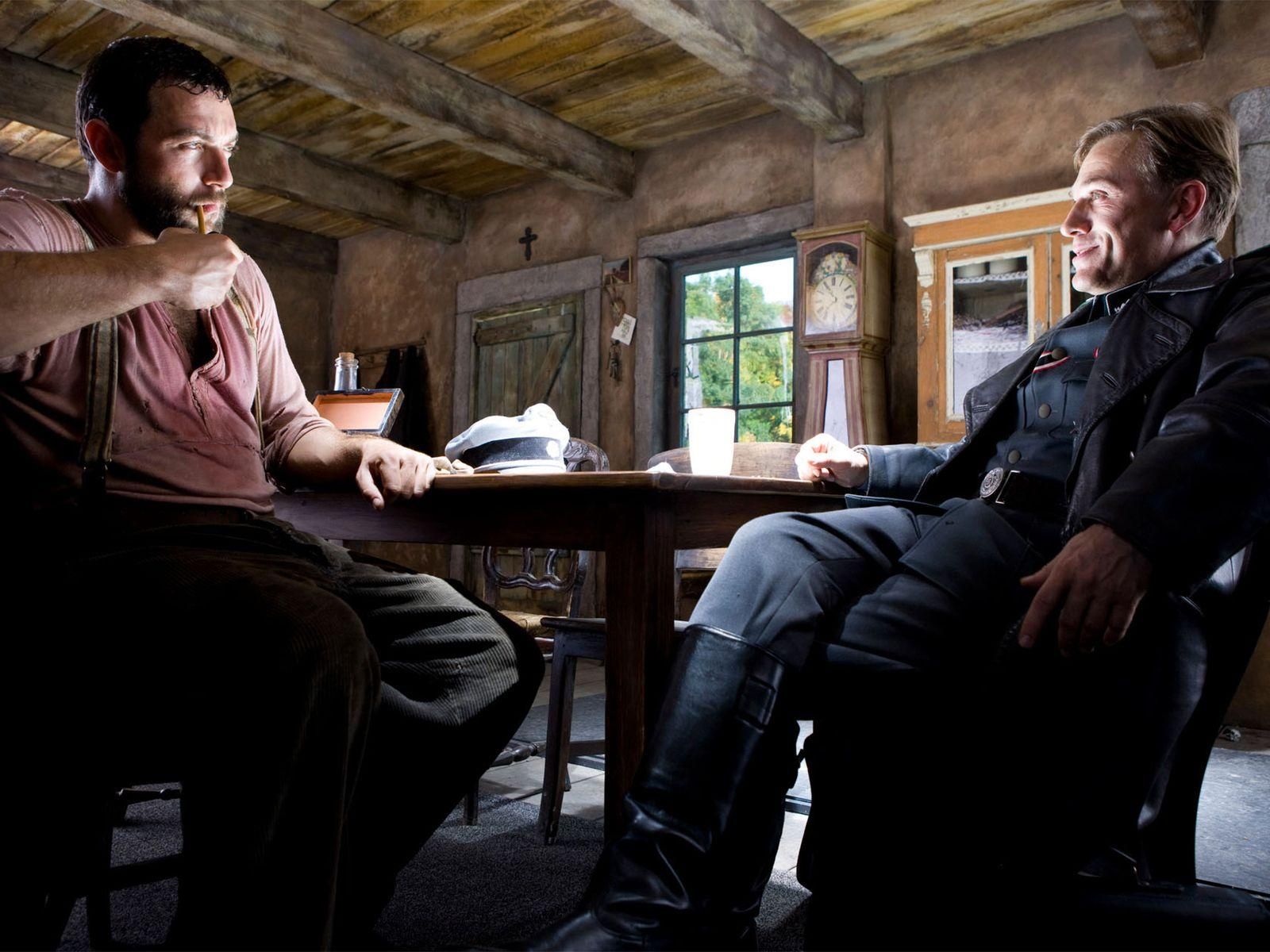 Tarantino rewrites the Second World War with spectacular confidence. Brad Pitt leads a gang of Nazi-hunting soldiers, but Christoph Waltz steals the entire film as the terrifyingly charming Hans Landa. The opening farmhouse interrogation is a masterclass in suspense, proving that a conversation over a glass of milk can be more frightening than an explosion. Audacious, hilarious, brutal and completely unforgettable.
7. Django Unchained
(2012)
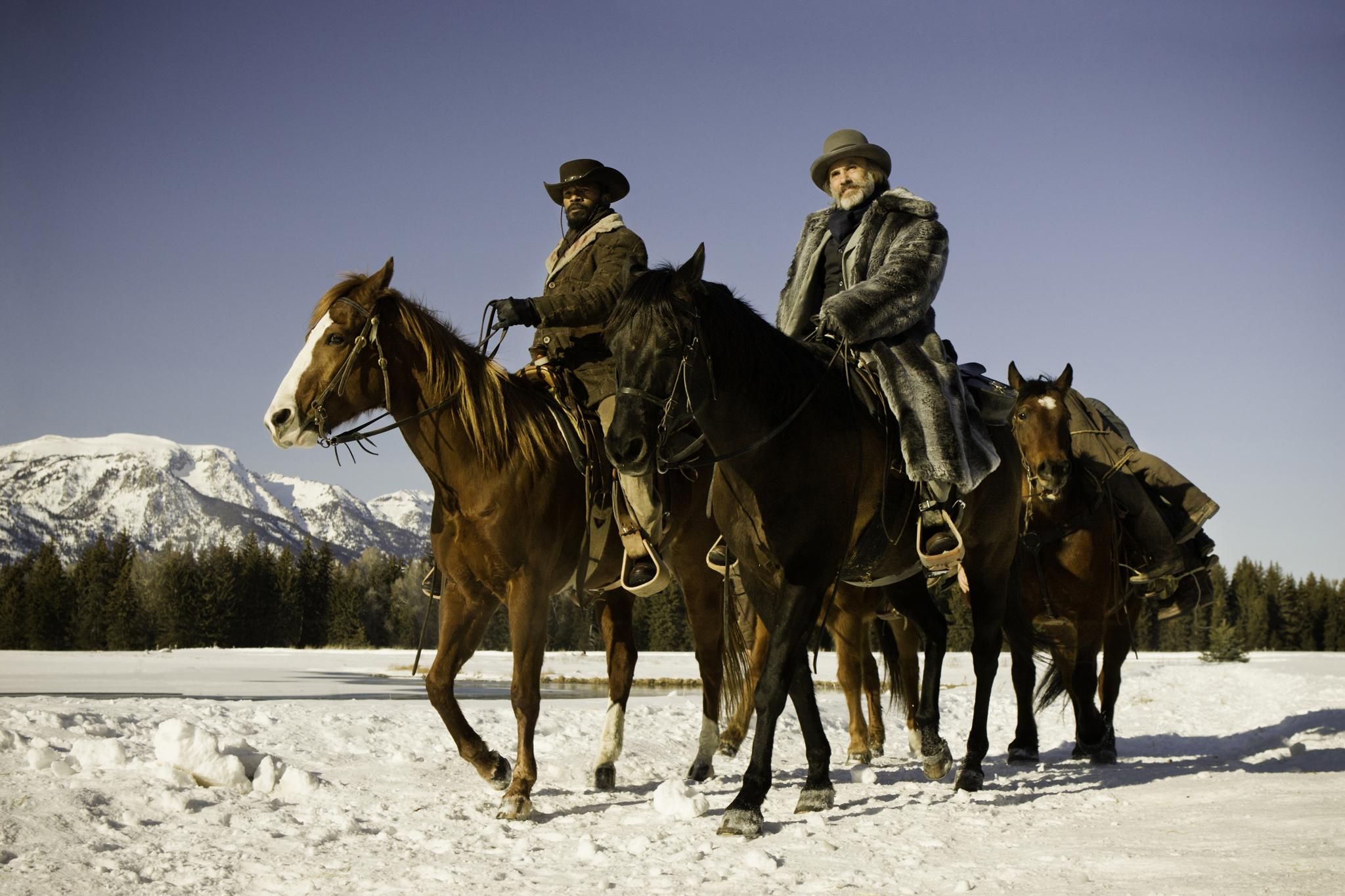 A spaghetti western transplanted into America's horrific history of slavery. Jamie Foxx is superb as a freed slave searching for his wife, supported by another magnificent Christoph Waltz performance. Leonardo DiCaprio delivers one of his most deliciously unpleasant characters, while Samuel L. Jackson is equally memorable. It's provocative, frequently uncomfortable and sometimes wildly excessive, but beneath the violence lies a surprisingly powerful love story.
8. The Hateful Eight
(2015)
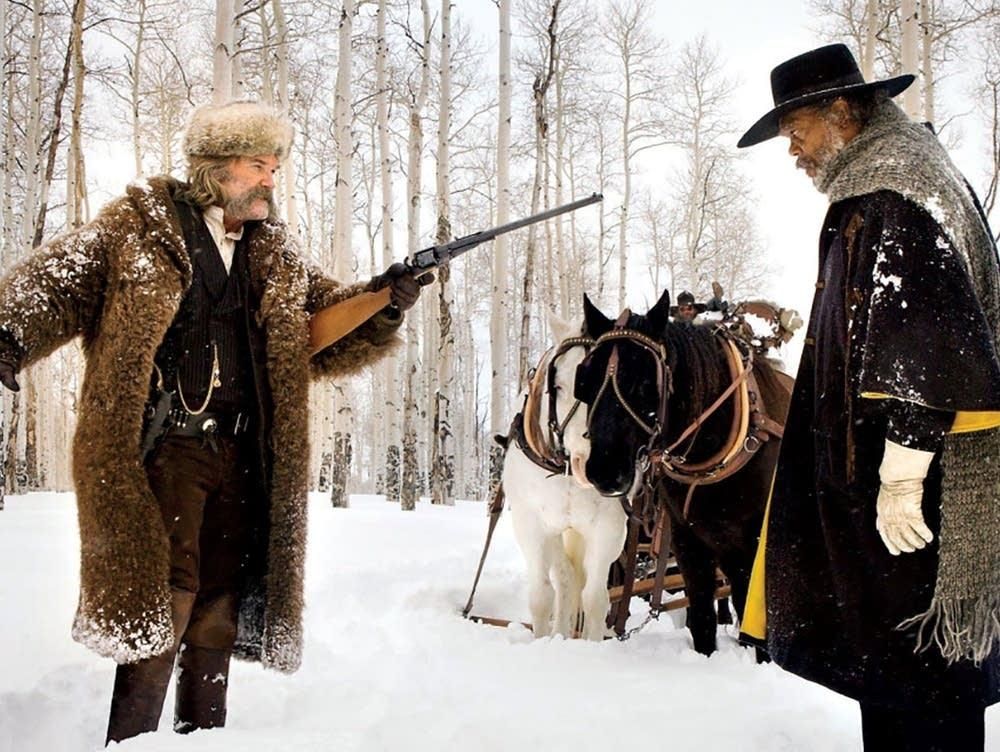 Eight deeply unpleasant strangers, a snowbound Wyoming cabin and absolutely nobody you can trust. It's essentially an Agatha Christie mystery soaked in blood and profanity. Beautifully photographed in 70mm, with a haunting Ennio Morricone score, the film feels almost theatrical in its construction. At nearly three hours, it occasionally tests the patience, but the performances and escalating paranoia make it a deliciously nasty experience.
9. Once Upon a Time in Hollywood
(2019)
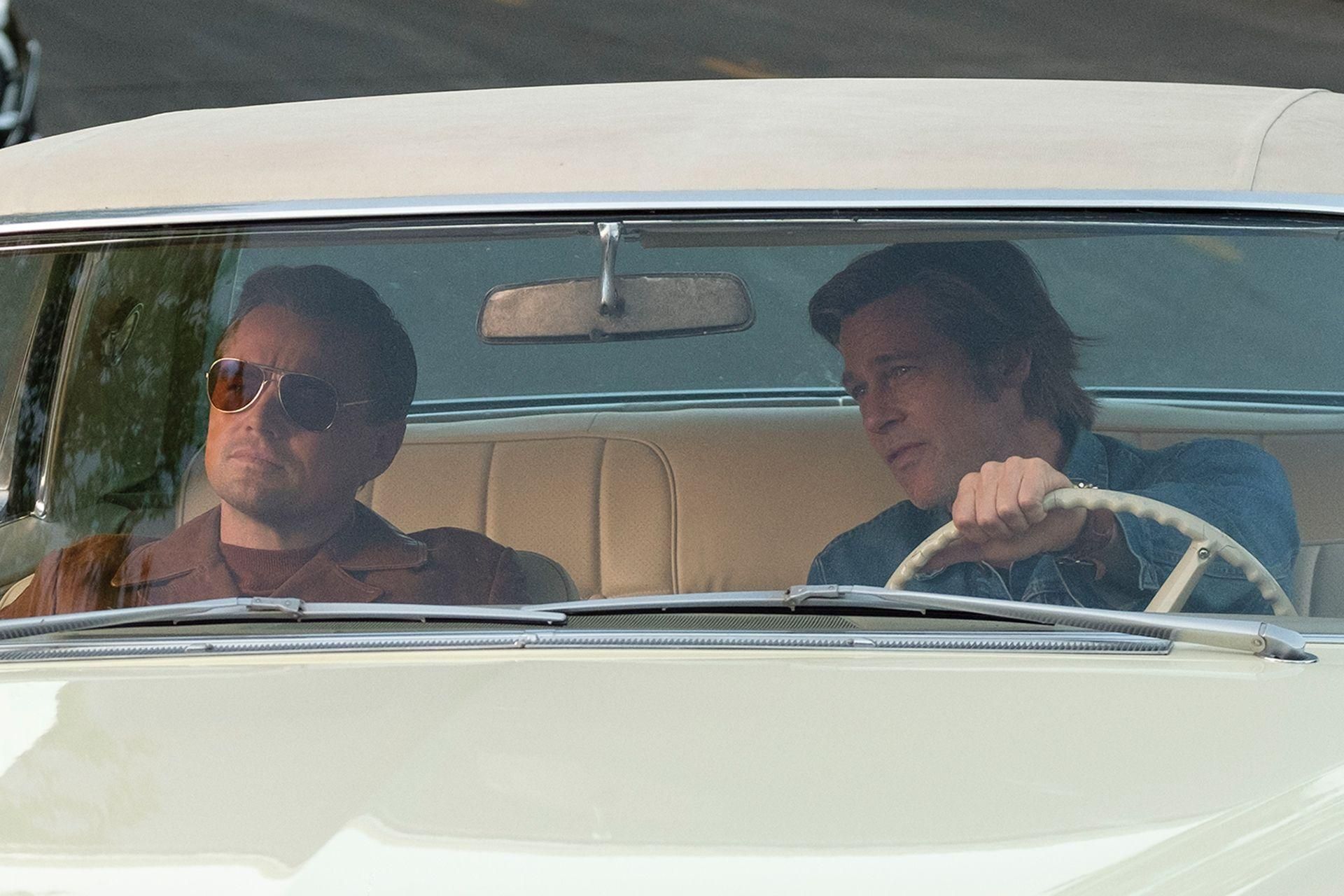 Tarantino's love letter to the Hollywood of his childhood. Leonardo DiCaprio is brilliant as fading television star Rick Dalton, while Brad Pitt almost effortlessly steals the show as his stunt double Cliff Booth. For much of its running time, the film simply invites us to enjoy 1969 Los Angeles, its music, its cinemas and its fading innocence. Then comes a finale that only Tarantino could have imagined. Funny, nostalgic, unexpectedly touching and perhaps his most personal work.
So What's Left for Number Ten?
Looking back across these films, what's remarkable isn't simply their quality but their individuality. Tarantino has created an instantly recognisable cinematic language built around extraordinary dialogue, carefully selected music, morally questionable characters and sudden eruptions of violence. He can turn an ordinary restaurant conversation into something unforgettable, and make audiences laugh at moments when they really shouldn't.
He's also one of the few directors whose name alone can still sell a movie. In an era increasingly dominated by franchises, cinematic universes and streaming algorithms, that's an achievement worth celebrating.
But does his ten-film rule actually make sense? Martin Scorsese was well beyond his tenth film when he made The Departed and The Wolf of Wall Street. Steven Spielberg delivered Schindler's List and Saving Private Ryan long after crossing that threshold. Great filmmakers don't necessarily have an expiry date, and artistic creativity rarely respects an arbitrary number.
There's something almost romantic about Tarantino wanting to protect his legacy. But there's also something frustrating about the prospect of one of cinema's most original voices voluntarily falling silent.
Perhaps the Fincher collaboration offers an intriguing compromise. Tarantino can continue writing extraordinary stories while allowing other filmmakers to interpret them. After all, he wrote True Romance, directed by Tony Scott, and From Dusk Till Dawn, directed by Robert Rodriguez. Both demonstrated that his distinctive voice can survive someone else shouting action.
And Fincher is hardly a director likely to be intimidated by the material.
The prospect of those two cinematic minds combining is genuinely exciting. But it also raises a delicious question. What happens if The Further Mis-Adventures of Cliff Booth turns out to be better than Once Upon a Time in Hollywood?
That would give Tarantino something rather uncomfortable to think about.
As for his mysterious tenth and supposedly final film, we still don't know what it will be, when he'll make it, or whether he'll eventually change his mind about retirement altogether. One thing is certain. After Reservoir Dogs, Pulp Fiction, Kill Bill and everything in between, Quentin Tarantino has earned the right to leave cinema whenever he chooses. We just hope he doesn't choose too soon. Because frankly, Quentin, ten films doesn't seem nearly enough.
Jim Irving
Author